
Morning vs. Night Skincare: What’s Different? It’s one of the most common skincare questions and the answer is simple: your skin has different needs during the day and at night. In the morning, your routine should focus on protection from sun, pollution, and dryness. At night, skincare is all about repair and recovery, helping your skin heal and absorb treatment ingredients more effectively.
In this guide, you’ll learn the exact AM vs PM skincare steps, the correct product order, and which ingredients work best in each routine so you can build a simple routine that fits your lifestyle and skin goals.
Morning vs. Night Skincare: What’s Different?

Morning vs. Night Skincare: What’s Different? The biggest difference is the goal: morning skincare protects, while night skincare repairs.
In the morning, your skin faces UV rays, pollution, sweat, and oil buildup throughout the day. That’s why your AM routine should focus on lightweight hydration, antioxidants, and sunscreen to prevent damage and keep your skin looking fresh.
At night, your skin goes into recovery mode. This is the best time to use deeper treatments like retinol or exfoliating acids (when needed), plus richer moisturizers to support your skin barrier and improve texture, acne, and dullness over time.
Quick rule to remember:
AM = Protect + Prevent
PM = Cleanse + Treat + Repair
Morning Skincare Routine (Step-by-Step Tutorial)

A good morning routine should be simple, lightweight, and protective. Your goal isn’t heavy treatment it’s to hydrate your skin, prevent damage, and lock everything in with sunscreen.
Here’s the best step-by-step AM skincare routine (perfect for ages 18–35):
Step 1: Gentle Cleanser (or Just Rinse)
Start by removing overnight oil and sweat without stripping your skin.
Best choice:
- Gentle, non-drying cleanser
- If your skin is very dry or sensitive, a water rinse may be enough.
Tip: If your skin feels tight after washing, your cleanser may be too harsh.
Step 2: Toner or Hydrating Mist (Optional)
This step is optional, but helpful if your skin feels dry or dehydrated.
Look for:
- Hydrating toners with ingredients like hyaluronic acid, glycerin, or aloe
Why it helps: It preps your skin so your serum and moisturizer absorb better.
Step 3: Serum (Vitamin C or Antioxidants)
This is your morning glow + protection step.
Best AM serums include:
- Vitamin C (brightens and protects)
- Niacinamide (helps pores, oil control, and redness)
Why it matters: Antioxidants help defend your skin against pollution and daily stress.
Step 4: Moisturizer (Lightweight)
Even oily skin needs moisture. The key is choosing the right texture.
Choose based on your skin type:
- Oily/Acne-prone → gel or oil-free moisturizer
- Dry skin → cream moisturizer
- Combination → lightweight lotion
Tip: A good moisturizer keeps your skin balanced so it doesn’t overproduce oil.
Step 5: Sunscreen (Most Important Step!)
This is the most important part of your morning routine.
Use:
- SPF 30 or higher
- Broad-spectrum protection
Tip: Apply sunscreen every day even when it’s cloudy or you’re indoors near windows.
Bonus: Reapply every 2–3 hours if you’re outside.
Morning Skincare Order (Quick Cheat Sheet)
Cleanser → Toner (optional) → Serum → Moisturizer → Sunscreen
Night Skincare Routine (Step-by-Step Tutorial)

Your night routine is all about cleansing away the day and giving your skin the best chance to repair, hydrate, and improve while you sleep. This is also the best time to use stronger treatment ingredients (when needed).
Here’s a simple and effective PM skincare routine for ages 18–35:
Step 1: Remove Makeup + Sunscreen (Double Cleanse Start)
Even if you don’t wear makeup, sunscreen can cling to the skin and clog pores.
Use one of these first:
- Cleansing oil or cleansing balm
- Micellar water (gentle option)
Why it matters: This step breaks down SPF, dirt, and oil so your cleanser can work better.
Step 2: Gentle Water-Based Cleanser
Now cleanse your skin properly to remove leftover residue.
Best choice:
- Mild cleanser that doesn’t leave your skin feeling tight
- Avoid harsh scrubs (they can irritate your skin barrier)
Tip: If you feel squeaky-clean, your cleanser may be too strong
Step 3: Treatment Step (Choose ONE Main Active)
Night is the best time for treatments, but don’t layer too many actives at once.
Pick one depending on your goal:
Option A: Retinol (Fine lines, acne, texture)
- Use 2–3 nights per week to start
- Apply a pea-sized amount
Avoid mixing with strong acids on the same night.
Option B: AHA/BHA Exfoliant (Clogged pores, bumps, dullness)
- Great for blackheads and rough texture
- Use 1–3 nights per week (not daily for most people)
Overuse can cause redness and peeling.
Option C: Niacinamide (Oil control, pores, redness)
- Beginner-friendly and gentle
- Works well for most skin types
Good option if your skin gets irritated easily.
Step 4: Moisturizer (Repair + Hydration)
Nighttime is the best time to use a more nourishing moisturizer.
Look for:
- Ceramides
- Hyaluronic acid
- Panthenol
- Squalane
Why it helps: It supports your skin barrier and reduces dryness from treatments.
Step 5: Spot Treatment (Only If Needed)
If you have active breakouts, use a spot treatment only on the pimple.
Common options:
- Benzoyl peroxide (strong but effective)
- Salicylic acid
- Sulfur
Tip: If spot treatments irritate your skin, apply them after moisturizer.
Night Skincare Order (Quick Cheat Sheet)
Remove makeup/SPF → Cleanser → Treatment → Moisturizer → Spot treatment (optional)
AM vs PM Skincare Products – What Changes & Why

The biggest difference between AM vs PM skincare products is the purpose:
Morning (AM) = Protect + Prevent
Night (PM) = Repair + Treat
Your skin faces different challenges during the day than it does while you sleep, so your products should match what your skin needs most.
Morning Skincare Products = Protection Mode
In the morning, your goal is to defend your skin from things that cause aging, dark spots, dullness, and breakouts.
AM products are usually:
- Lightweight (so they sit well under sunscreen and makeup)
- Hydrating (to prevent dryness and oiliness later)
- Protective (to reduce damage from the environment)
Best AM product types include:
- Gentle cleanser (or water rinse)
- Hydrating toner (optional)
- Vitamin C / antioxidants
- Lightweight moisturizer
- Sunscreen SPF 30+ (most important!)
Why it matters:
Sun exposure and pollution create stress on the skin. Morning products help prevent damage before it starts.
Night Skincare Products = Repair + Treatment Mode
At night, your skin focuses on recovery, and you don’t need sunscreen protection. This makes nighttime the best time for stronger treatments.
PM products are usually:
- More nourishing (stronger hydration support)
- Treatment-focused (to improve acne, texture, dark spots)
- Barrier-repair friendly
Best PM product types include:
- Makeup/SPF remover (cleansing oil or micellar water)
- Water-based cleanser
- Treatment serum (choose one: retinol OR acids OR niacinamide)
- Richer moisturizer
- Spot treatment (optional)
Why it matters:
Nighttime is when your skin has fewer external stressors, so it can absorb ingredients better and repair more effectively.
Why Some Ingredients Work Better at Night
Some skincare ingredients are best used at night because they can make your skin more sensitive to sunlight or irritation.
Better at night:
- Retinol (can cause dryness + sun sensitivity)
- AHA/BHA exfoliants (can irritate if overused)
- Strong acne treatments
Better in the morning:
- Vitamin C
- Antioxidants
- Sunscreen-friendly hydration
Simple rule:
If it helps your skin fight the day → AM
If it helps your skin fix itself → PM
Morning vs. Night Skincare Routine by Skin Type (Quick Guide)

Not every skin type needs the same products. The best way to see results is to match your morning and night routine to your skin’s needs.
Here is a simple guide you can follow (ideal for ages 18–35):
Oily / Acne-Prone Skin
Morning Routine (AM)
Goal: Control oil, prevent breakouts, and protect
- Gentle cleanser (or a foaming cleanser if your skin is very oily)
- Niacinamide serum (optional but helpful)
- Lightweight gel moisturizer
- Oil-free sunscreen SPF 30+
Tip: Choose “non-comedogenic” products to reduce clogged pores.
Night Routine (PM)
Goal: Deep clean, treat acne, and repair
- Double cleanse (especially if you wear sunscreen)
- Gentle cleanser
- Treatment (choose one):
- BHA (salicylic acid) 2–3 nights per week, or
- Retinol 2–3 nights per week
- Light moisturizer (do not skip it)
Note: Avoid using BHA and retinol on the same night if your skin gets irritated.
Dry / Dehydrated Skin
Morning Routine (AM)
Goal: Hydrate and protect the skin barrier
- Creamy gentle cleanser (or just rinse with water)
- Hydrating toner/essence (optional)
- Hyaluronic acid serum
- Cream-based moisturizer
- Sunscreen SPF 30+
Tip: Apply moisturizer while your skin is slightly damp for better hydration.
Night Routine (PM)
Goal: Repair and lock in moisture
- Gentle cleanser (avoid harsh foaming cleansers)
- Barrier-support serum (ceramides or niacinamide)
- Rich moisturizer
- Optional: sleeping mask 2–3 nights per week
Dry skin often benefits from thicker products at night.
Sensitive Skin
Morning Routine (AM)
Goal: Calm and protect
- Very gentle cleanser (or rinse with water)
- Simple moisturizer (fragrance-free)
- Mineral sunscreen SPF 30+ (often less irritating)
Tip: Keep your morning routine minimal to avoid redness.
Night Routine (PM)
Goal: Soothe and repair the barrier
- Gentle cleanser (no scrubs)
- Calming serum (niacinamide or soothing ingredients)
- Barrier-repair moisturizer
Note: Avoid frequent exfoliation and strong actives unless introduced slowly.
Combination Skin
Morning Routine (AM)
Goal: Balance oil and hydration
- Gentle cleanser
- Lightweight serum (vitamin C or niacinamide)
- Light moisturizer (use less on oily areas)
- Sunscreen SPF 30+
Night Routine (PM)
Goal: Treat oily zones and hydrate dry zones
- Double cleanse (if you wear sunscreen or makeup)
- Gentle cleanser
- Treatment (only on oily areas if needed): BHA or retinol
- Moisturizer (apply more on dry areas)
Tip: “Zone skincare” works best treat oily areas differently from dry areas.
Common Mistakes People Make (And Easy Fixes)

Even with good skincare products, small mistakes can lead to breakouts, dryness, irritation, or slow results. Here are the most common skincare mistakes people make in their morning and night routines, along with simple fixes you can start today.
Mistake 1: Skipping Sunscreen in the Morning
Many people only use sunscreen on sunny days, but UV rays can still affect your skin even when it’s cloudy or when you’re indoors near windows.
Easy fix:
- Use a broad-spectrum sunscreen with SPF 30 or higher every morning
- Apply it as the final step in your routine
- Reapply every 2–3 hours if you are outdoors
Mistake 2: Using Too Many Active Ingredients at Night
Combining multiple strong products (like retinol, acids, and acne treatments) can damage your skin barrier and cause redness, peeling, and sensitivity.
Easy fix:
- Use only one main active ingredient per night
- Alternate nights (example: retinol on Monday, exfoliant on Wednesday)
- If irritation happens, take a break and focus on moisturizing
Mistake 3: Over-Cleansing or Using Harsh Scrubs
Washing too often or using rough scrubs can strip natural oils and make your skin feel tight, dry, or irritated. It can also cause oily skin to produce even more oil.
Easy fix:
- Cleanse twice a day max (morning and night)
- Choose a gentle cleanser that does not leave your skin feeling tight
- Avoid physical scrubs and use gentle chemical exfoliation only when needed
Mistake 4: Applying Products in the Wrong Order
Using products in the wrong order can reduce how well they work. For example, applying thick creams before serums may block absorption.
Easy fix:
- Follow this simple rule: thin to thick
- Morning order: cleanser → serum → moisturizer → sunscreen
- Night order: remove makeup/SPF → cleanser → treatment → moisturizer
Mistake 5: Expecting Instant Results
Skincare takes time, especially when treating acne, texture, or dark spots. Many people quit too early or switch products too often.
Easy fix:
- Give a routine at least 4–8 weeks before judging results
- Take weekly photos to track progress
- Keep your routine simple and consistent
Mistake 6: Not Matching Products to Your Skin Type
Using products meant for a different skin type can cause problems. For example, heavy creams may clog oily skin, while strong acne products may dry out sensitive skin.
Easy fix:
- Choose products based on your skin type (oily, dry, sensitive, combination)
- Start with a basic routine and add treatments slowly
- Patch test new products before full use
The Best Product Order (AM vs PM Cheat Sheet)
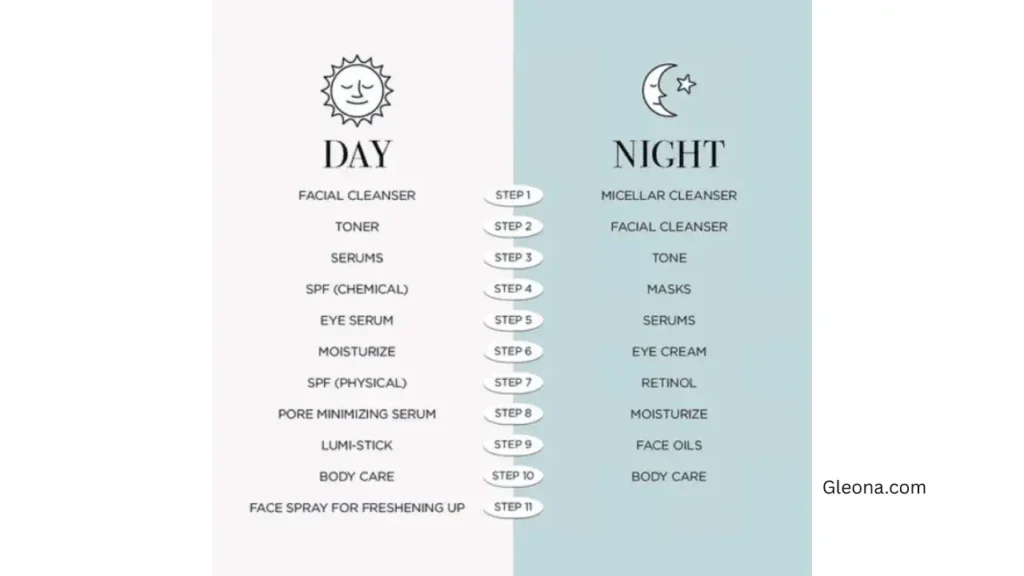
Using skincare in the correct order helps your products absorb better and work more effectively. A simple rule to remember is: apply products from the lightest texture to the thickest.
Morning Skincare Order (AM)
Goal: Protect and prevent damage during the day
- Cleanser (or rinse with water if your skin is very dry/sensitive)
- Toner / Essence (optional)
- Serum (Vitamin C, niacinamide, or hydrating serum)
- Moisturizer (lightweight)
- Sunscreen SPF 30+ (final step, always)
Quick AM formula: Cleanse → Treat → Moisturize → Protect
Night Skincare Order (PM)
Goal: Clean, treat, and repair while you sleep
- Makeup/Sunscreen remover (cleansing oil, balm, or micellar water)
- Cleanser (water-based gentle cleanser)
- Treatment (choose one: retinol OR exfoliant OR acne treatment)
- Moisturizer (more nourishing if needed)
- Spot treatment (optional, only on pimples)
Quick PM formula: Remove → Cleanse → Treat → Repair
Product Recommendations
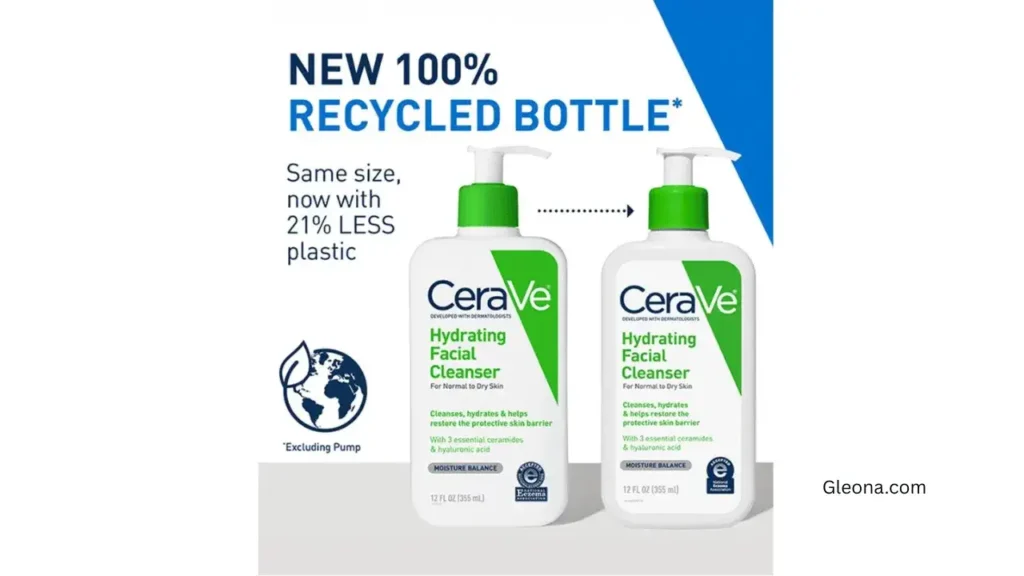
Here are recommended skincare products you can include in your AM vs PM routines suitable for beginners to intermediate users in the USA. These cover essential steps like cleansing, treatment serums, hydration, and protection (based on widely recommended ingredients and popular dermatologist‑backed picks):
Morning (AM) Routine Product Recommendations
Cleanser
- CeraVe Hydrating Facial Cleanser gentle, non‑strip formula suitable for all skin types.
Vitamin C / Antioxidant Serum
- La’moon Vitamin C Serum supports brightness and antioxidant protection.
- The Ordinary Niacinamide 10% + Zinc 1% Serum helps balance oil and minimize pores (optional layer).
Moisturizer + Sunscreen (sometimes combined)
- CeraVe AM Facial Moisturizing Lotion SPF 30 moisturizer with built‑in SPF blocks UVA/UVB while supporting the skin barrier.
Sunscreen (if separate)
- Look for a broad‑spectrum SPF 30+ mineral or chemical sunscreen that suits your skin type.
Night (PM) Routine Product Recommendations
Makeup/Sunscreen Remover
- Micellar water or cleansing balm removes sunscreen and makeup without harsh rubbing.
Second Cleanser
- Gentle foaming or gel cleanser helps clear away residue from the day.
Treatment Serums (Pick Based on Concern)
- Retinol Options (night only): Serums or creams that include retinol can help improve texture and promote cell turnover. Dermatologists often recommend starting slowly and pairing with moisturizer.
- Example: Retinol serum (look for beginner‑friendly %)
- Niacinamide Serums a good gentler alternative if your skin is sensitive.
Night Cream / Moisturizer
- Rich night cream or barrier‑support moisturizer helps lock in hydration after treatments.
- Look for ceramides, peptides, or hyaluronic acid for moisture and repair.
Conclusion
Understanding the difference between morning and night skincare is key to building a routine that actually works. Morning routines focus on protection, using lightweight hydration, antioxidants, and sunscreen to shield your skin from daily stressors like UV rays and pollution. Night routines focus on repair, with deeper hydration and targeted treatments such as retinol, acids, or niacinamide to support cell turnover and skin recovery.
By following the correct product order, choosing products suited to your skin type, and avoiding common mistakes like skipping sunscreen or overloading actives, you can see real improvements in your skin’s texture, clarity, and overall health.
Start simple, stay consistent, and adjust your routine as needed your skin will thank you.
For more Skin Care Tips and Tricks, Please visit gleona.com.
FAQs
1. What is the main difference between morning and night skincare?
The main difference is the goal: morning skincare protects your skin from sun, pollution, and daily stress, while night skincare repairs your skin using treatment and nourishing products to support recovery.
2. Can I use the same products in the morning and at night?
Some products, like gentle cleansers and moisturizers, can be used both AM and PM. However, active ingredients like retinol or strong acids should only be used at night, while antioxidants and sunscreen are best in the morning.
3. How many steps should my morning and night routines have?
A simple routine can be as short as 4–5 steps.
- Morning: Cleanse → Serum → Moisturizer → Sunscreen
- Night: Remove makeup → Cleanse → Treatment → Moisturizer → Spot treatment (optional)
4. How long does it take to see results from a new skincare routine?
Consistency is key. Most people see visible improvements in 4–8 weeks, depending on skin type and concerns. Always give your routine time before switching products or expecting instant results.
5. How do I choose skincare products for my skin type?
Identify whether your skin is oily, dry, combination, or sensitive.
- Oily: lightweight, non-comedogenic
- Dry: richer, hydrating creams
- Combination: balance hydration on dry areas and oil control on oily areas
- Sensitive: gentle, fragrance-free products
Always patch test new products and introduce actives gradually.