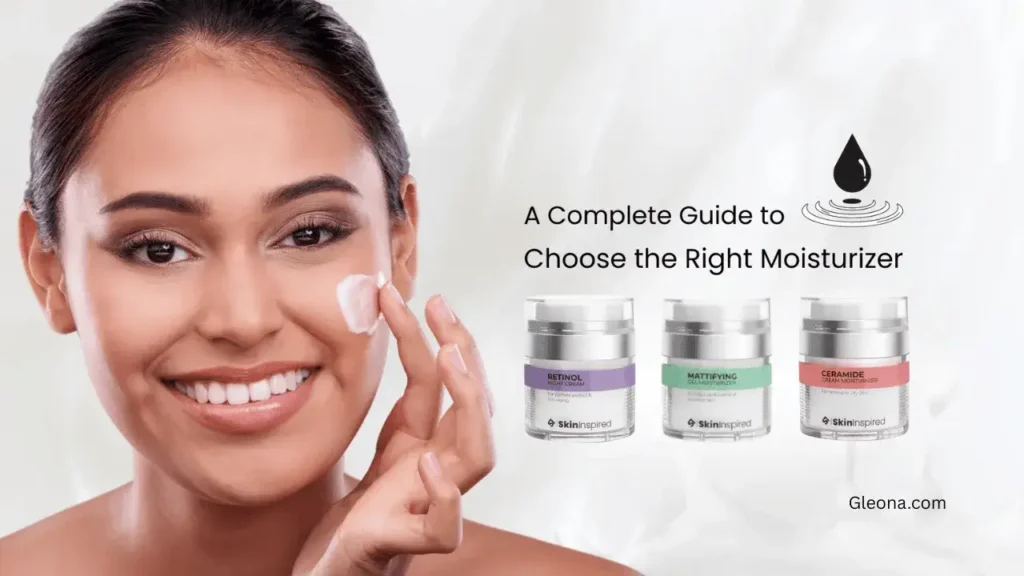
Moisturizers: Choosing the Right One for Your Skin made simple. Learn how to pick the perfect formula based on your skin type and ingredients.
Moisturizers are one of the most essential steps in any skincare routine, yet many people still struggle with choosing the right one for their skin. Using the wrong moisturizer can lead to common issues like breakouts, dryness, clogged pores, or irritation making your skin concerns even worse instead of better.
This guide on Moisturizers: Choosing the Right One for Your Skin is designed to help you understand exactly what your skin needs. Whether you have oily, dry, combination, or sensitive skin, selecting the right product can improve hydration, strengthen your skin barrier, and give you a smoother, healthier look.
In this step-by-step tutorial, you’ll learn how to identify your skin type, understand key ingredients, and choose a moisturizer that works effectively for your daily routine. By the end, you’ll be confident in picking the perfect moisturizer tailored to your skin’s needs.
Moisturizers: Choosing the Right One for Your Skin – Why It Matters
Choosing the right moisturizer is more than just a basic skincare step it plays a key role in keeping your skin healthy, balanced, and protected. Many people assume all moisturizers work the same, but using the wrong one for your skin type can lead to issues like excess oil, dryness, or breakouts.
At its core, moisturizing is about maintaining the skin’s natural balance. Your skin constantly loses water throughout the day, and a good moisturizer helps restore that lost hydration while locking in moisture. This is especially important for preserving your skin barrier, which acts as a protective shield against environmental damage, pollution, and bacteria.
Understanding the difference between hydration and moisture is essential. Hydration refers to increasing the water content in your skin, while moisture helps seal that hydration in. The best moisturizers contain a combination of ingredients like humectants (to attract water), emollients (to smooth the skin), and occlusives (to lock in moisture), ensuring your skin stays soft and resilient.
Using the right moisturizer can also help prevent premature aging, improve skin texture, and enhance your overall appearance. On the other hand, choosing the wrong formula such as a heavy cream for oily skin or a lightweight gel for very dry skin can disrupt your skin’s balance and lead to unwanted problems.
In short, selecting the right moisturizer isn’t optional it’s a crucial step in building an effective skincare routine that supports long-term skin health.
Identify Your Skin Type First (Step-by-Step Guide)
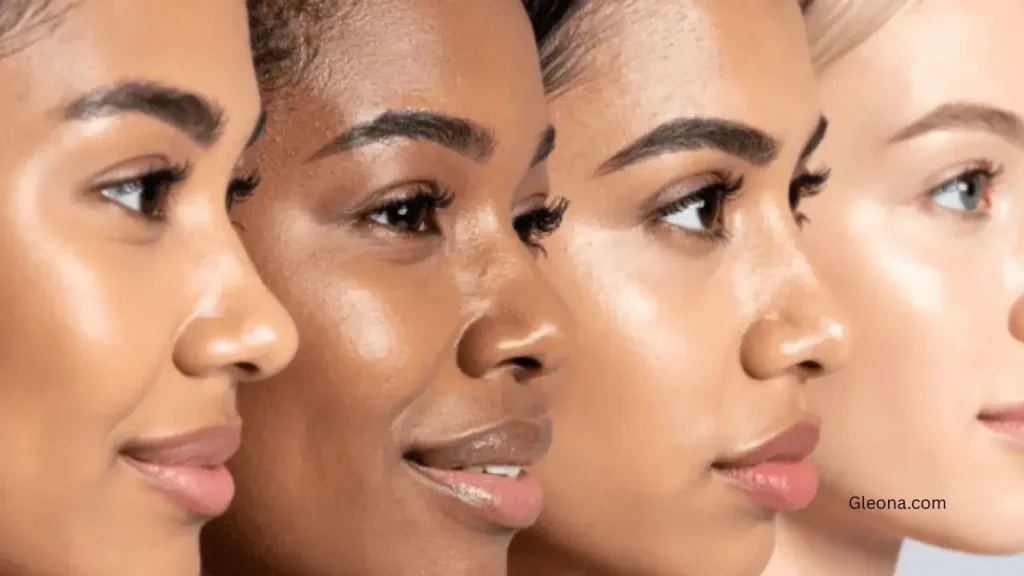
Before choosing any moisturizer, the most important step is understanding your skin type. Using products without knowing your skin type can lead to poor results, wasted money, and even skin problems like breakouts or irritation.
This simple step-by-step guide will help you accurately identify your skin type at home.
Step 1: Cleanse Your Face
Start by washing your face with a gentle cleanser. Avoid using any heavy products afterward.
- Pat your skin dry with a clean towel
- Do not apply moisturizer, toner, or serum
This helps you observe your skin in its natural state.
Step 2: Wait and Observe (30–60 Minutes)
Leave your skin bare for about 30 to 60 minutes. During this time, your skin will return to its natural condition.
Pay attention to how your skin feels:
- Does it feel tight or comfortable?
- Does it become shiny or oily?
- Do you notice any dryness or irritation?
Step 3: Check Key Areas of Your Face
Look closely at different areas:
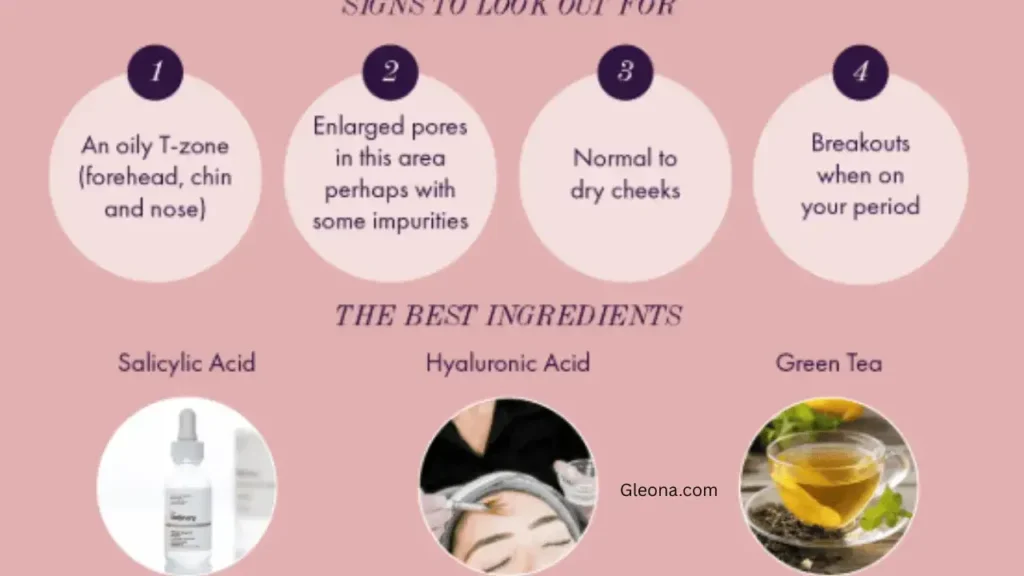
- Forehead, nose, and chin (T-zone): Check for oiliness or shine
- Cheeks: Look for dryness or flaking
- Entire face: Notice redness or sensitivity
Step 4: Identify Your Skin Type
Based on your observations, match your skin to one of these types:
Oily Skin
- Face appears shiny, especially in the T-zone
- Enlarged pores
- Prone to acne and breakouts
Dry Skin
- Feels tight or rough
- May appear flaky or dull
- Can feel itchy or irritated
Combination Skin
- Oily in the T-zone
- Dry or normal on cheeks
- Most common skin type
Sensitive Skin
- Easily irritated or red
- May sting or burn with certain products
- Reacts to fragrances or harsh ingredients
Normal Skin
- Balanced oil and hydration
- Smooth texture
- Few or no breakouts
Step 5: Recheck Seasonally
Your skin type can change depending on weather, hormones, and lifestyle. For example:
- Skin may become oilier in summer
- Skin may become drier in winter
Re-evaluate your skin every few months to keep your skincare routine effective.
Choosing the right moisturizer becomes much easier once you understand your skin type. Different formulas are designed to meet specific needs, so using the correct type can significantly improve your skin’s appearance and health.
Gel Moisturizers (Best for Oily Skin)
Gel-based moisturizers are lightweight and water-based, making them ideal for oily and acne-prone skin.
- Absorb quickly without leaving a greasy feel
- Help hydrate without clogging pores
- Often contain ingredients like hyaluronic acid
Why it works: Keeps skin hydrated while controlling excess oil and shine.
Cream Moisturizers (Best for Dry Skin)
Creams are thicker and richer, designed to deeply nourish and repair dry skin.
- Provide long-lasting hydration
- Help restore the skin barrier
- Reduce flakiness and rough texture
Why it works: Locks in moisture and prevents dryness, especially in colder weather.
Lotion Moisturizers (Best for Combination Skin)
Lotions have a balanced texture lighter than creams but more hydrating than gels.
- Suitable for both dry and slightly oily areas
- Absorb easily without feeling heavy
- Provide moderate hydration
Why it works: Maintains balance across different areas of the face.
Fragrance-Free Moisturizers (Best for Sensitive Skin)
Sensitive skin requires gentle, non-irritating formulas. Fragrance-free moisturizers are the safest option.
- Reduce the risk of irritation and redness
- Often include soothing ingredients like aloe vera or ceramides
- Minimal and skin-friendly formulation
Why it works: Protects delicate skin while keeping it calm and hydrated.
Lightweight Moisturizers (Best for Normal Skin)
Normal skin doesn’t require heavy products, but still needs hydration to stay healthy.
- Light creams or lotions work best
- Maintain natural balance without overloading the skin
- Keep skin smooth and soft
Why it works: Supports healthy skin without disrupting its natural condition.
Key Ingredients to Look for in Moisturizers

When choosing a moisturizer, the ingredient list matters just as much as your skin type. The right ingredients can hydrate, protect, and improve your skin over time, while the wrong ones may cause irritation or breakouts.
Most effective moisturizers contain a combination of three types of ingredients:
- Humectants (draw water into the skin)
- Emollients (smooth and soften the skin)
- Occlusives (lock in moisture)
Here are the key ingredients you should look for:
Hyaluronic Acid
Hyaluronic acid is one of the most popular and effective hydrating ingredients.
- Attracts and retains water in the skin
- Helps keep skin plump and smooth
- Works well for all skin types, especially oily and dehydrated skin
Why it matters: Provides deep hydration without making the skin greasy.
Glycerin
Glycerin is a powerful humectant commonly found in many moisturizers.
- Draws moisture from the environment into the skin
- Helps maintain hydration throughout the day
- Gentle and suitable for sensitive skin
Why it matters: Keeps skin soft and prevents dryness.
Ceramides
Ceramides are lipids (fats) that naturally occur in your skin.
- Strengthen the skin barrier
- Prevent moisture loss
- Protect against environmental damage
Why it matters: Essential for repairing and maintaining healthy skin, especially for dry or damaged skin.
Niacinamide
Niacinamide (Vitamin B3) is a multi-benefit ingredient.
- Helps reduce redness and inflammation
- Controls excess oil production
- Improves skin texture and tone
Why it matters: Great for acne-prone, oily, and sensitive skin.
Aloe Vera
Aloe vera is known for its soothing and calming properties.
- Reduces irritation and redness
- Provides light hydration
- Ideal for sensitive or sun-exposed skin
Why it matters: Helps calm and refresh the skin without heaviness.
Shea Butter
Shea butter is a rich emollient that deeply nourishes the skin.
- Softens and smooths dry skin
- Provides long-lasting moisture
- Supports skin barrier repair
Why it matters: Perfect for dry and very dry skin types.
Squalane
Squalane is a lightweight oil that mimics your skin’s natural oils.
- Hydrates without clogging pores
- Improves elasticity
- Suitable for most skin types, including oily skin
Why it matters: Balances moisture while keeping skin soft and non-greasy.
Ingredients to Avoid Based on Your Skin Type
While choosing the right ingredients is important, avoiding the wrong ones is just as critical. Certain ingredients can trigger breakouts, dryness, or irritation especially when they don’t match your skin type.
Here’s what to watch out for:
Alcohol (Especially for Dry and Sensitive Skin)
Not all alcohols are harmful, but some types like denatured alcohol can be very drying.
- Strips natural oils from the skin
- Weakens the skin barrier
- Can cause irritation and tightness
Avoid if: You have dry or sensitive skin.
Tip: Look for “alcohol-free” or avoid products listing alcohol high on the ingredient list.
Heavy Oils (For Oily and Acne-Prone Skin)
Certain oils can be too rich and may clog pores.
- Can lead to breakouts and blackheads
- Leaves a greasy residue on the skin
Avoid if: You have oily or acne-prone skin.
Examples: Coconut oil, mineral oil (for some people).
Tip: Choose non-comedogenic and lightweight formulas instead.
Artificial Fragrances (For Sensitive Skin)
Fragrances are a common cause of skin irritation.
- Can trigger redness, itching, or allergic reactions
- Often unnecessary in skincare products
Avoid if: You have sensitive or reactive skin.
Tip: Look for “fragrance-free” rather than “unscented.”
Parabens (For Sensitive or Concerned Users)
Parabens are preservatives used to extend shelf life, but some people prefer to avoid them.
- May cause irritation in sensitive individuals
- Widely debated in skincare
Avoid if: You prefer minimal or sensitive-skin-friendly formulations.
Sulfates (For Dry and Sensitive Skin)
Sulfates are cleansing agents, but they can be too harsh in skincare products.
- Strip moisture from the skin
- Can cause dryness and irritation
Avoid if: You have dry or sensitive skin.
Silicones (For Acne-Prone Skin – in Some Cases)
Silicones create a smooth, silky feel, but may trap oil and debris.
- Can clog pores for some individuals
- May lead to breakouts if not properly cleansed
Avoid if: You are prone to acne or clogged pores.
How to Choose the Right Moisturizer (Beginner Tutorial)

Choosing the right moisturizer doesn’t have to be complicated. By following a few simple steps, you can find a product that matches your skin type, avoids irritation, and delivers real results.
Step 1: Know Your Skin Type
Start with the basics understand whether your skin is oily, dry, combination, sensitive, or normal.
- Oily skin needs lightweight, oil-free formulas
- Dry skin needs rich, hydrating creams
- Sensitive skin needs gentle, fragrance-free products
Why this matters: Your skin type determines the texture and ingredients your moisturizer should have.
Step 2: Check the Ingredients
Look for ingredients that support your skin’s needs.
- For hydration: hyaluronic acid, glycerin
- For repair: ceramides
- For oil control: niacinamide
At the same time, avoid ingredients that may cause irritation or clog pores based on your skin type.
Why this matters: The ingredient list tells you how the product will actually perform.
Step 3: Choose the Right Texture
Moisturizers come in different forms, and texture plays a big role.
- Gel: best for oily or acne-prone skin
- Lotion: good for combination or normal skin
- Cream: ideal for dry skin
Why this matters: The wrong texture can make your skin feel too greasy or not hydrated enough.
Step 4: Patch Test Before Using
Before applying a new moisturizer to your entire face, test it on a small area.
- Apply a small amount on your wrist or behind your ear
- Wait 24 hours to check for irritation
Why this matters: Helps prevent unexpected reactions, especially for sensitive skin.
Step 5: Adjust for Seasons
Your skin’s needs can change with the weather.
- In summer: use lightweight, oil-free moisturizers
- In winter: switch to richer, more hydrating creams
Why this matters: Seasonal changes affect how much moisture your skin needs.
Step 6: Consider Your Daily Routine
Think about when and how you’ll use your moisturizer.
- Daytime: choose lightweight formulas, preferably with SPF
- Nighttime: use richer products for repair and hydration
Why this matters: Different times of day require different levels of hydration and protection.
Common Mistakes to Avoid
Even with the right moisturizer, mistakes in how you use it can reduce its effectiveness or even harm your skin. Here are the most common errors to watch out for:
1. Using Too Much Product
Applying more moisturizer than your skin needs doesn’t improve hydration it can clog pores, feel heavy, and lead to breakouts.
Tip: Start with a pea-sized amount and add more only if needed.
2. Skipping Moisturizer for Oily Skin
Many people with oily skin avoid moisturizer, thinking it will worsen shine or acne. In reality, skipping it can make the skin overproduce oil.
Tip: Choose a lightweight, non-comedogenic moisturizer instead.
3. Applying on Dry Skin Instead of Damp Skin
Moisturizers work best when applied to slightly damp skin, as they help lock in hydration. Applying on dry skin reduces effectiveness.
Tip: Apply moisturizer immediately after cleansing or after using a hydrating toner/serum.
4. Not Adjusting for Seasons
Skin needs can change with the weather. Using the same moisturizer year-round may cause dryness in winter or excess oil in summer.
Tip: Switch to lighter formulas in warm months and richer creams in cold months.
5. Ignoring Ingredient Compatibility
Using products with conflicting ingredients, or those unsuitable for your skin type, can cause irritation, dryness, or breakouts.
Tip: Read labels carefully and match ingredients to your skin’s needs.
6. Overlooking Neck and Décolletage
Moisturizers are often applied only to the face, but the neck and chest area also need hydration.
Tip: Extend your moisturizer slightly below the jawline for consistent care.
Pro Tips for Better Results

Using a moisturizer correctly can make a big difference in your skin’s hydration, texture, and overall health. Here are some expert tips to get the most out of your products:
1. Apply Moisturizer After Cleansing
Always apply your moisturizer on clean skin.
- Cleansing removes dirt, oil, and impurities
- Moisturizer can penetrate better and work effectively
Tip: Pat your face dry gently don’t rub and apply moisturizer while the skin is slightly damp for maximum absorption.
2. Layer Correctly with Other Skincare Products
Moisturizer works best when used in the right order in your skincare routine:
- Cleanser
- Toner/Essence
- Serum
- Moisturizer
- Sunscreen (AM)
Tip: Apply lighter formulas first and thicker products last to lock in hydration.
3. Use Sunscreen During the Day
Even the best moisturizer cannot replace SPF. Protecting your skin from UV damage is crucial.
- Use a broad-spectrum sunscreen with at least SPF 30 over your moisturizer
- This prevents premature aging, dryness, and sun damage
4. Don’t Skip Nighttime Moisturizing
Your skin repairs itself while you sleep. Night creams or richer moisturizers help:
- Repair the skin barrier
- Reduce moisture loss overnight
- Enhance the effectiveness of active ingredients
5. Customize Based on Season and Climate
Adjust your moisturizer according to your environment:
- Hot and humid weather: lighter, gel-based formulas
- Cold or dry weather: thicker, cream-based formulas
Tip: Monitor how your skin reacts and switch formulas as needed.
6. Be Consistent
The benefits of a moisturizer build over time.
- Apply daily, morning and night
- Consistency is key for long-term hydration, softness, and protection
Product Recommandations
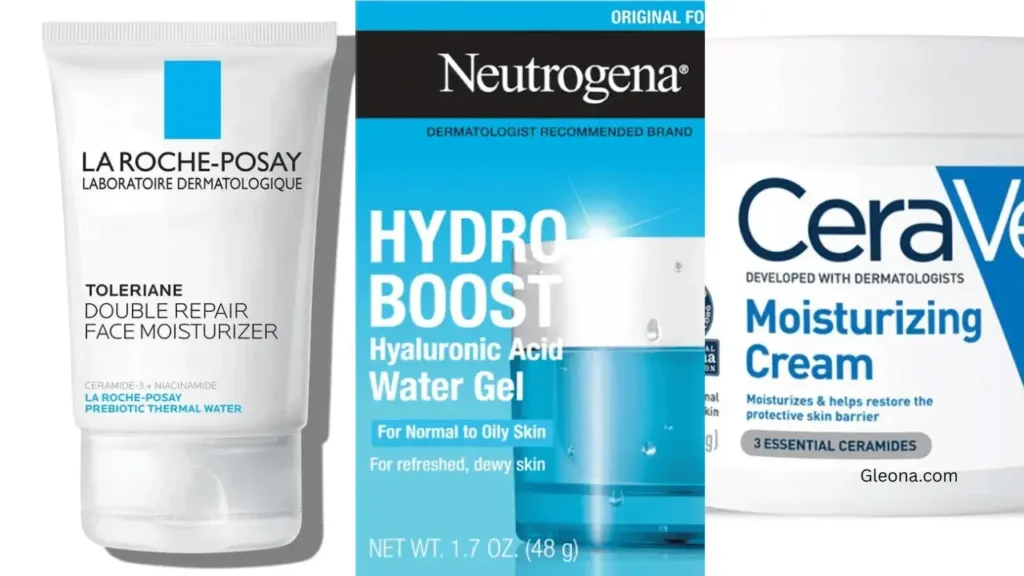
Here are some top dermatologist‑recommended moisturizers you can consider organized by skin type and need. These are widely referenced in dermatologist guides and product roundups to help you find the right match:
All‑Around Great Picks
- La Roche‑Posay Toleriane Double Repair Face Moisturizer – Lightweight, ceramide‑rich and barrier‑supporting for sensitive and reactive skin. Great everyday option.
- Neutrogena Hydro Boost Water Gel – Hydrating, non‑greasy gel that works well under makeup and for combination or oily skin types.
- COSRX Snail Mucin 92% Cream – Universal choice with deep hydration and barrier repair, suitable for many skin types including sensitive.
Best for Dry or Dehydrated Skin
- CeraVe Moisturizing Cream – Classic derm‑favorite with ceramides and hyaluronic acid for lasting hydration.
- First Aid Beauty Ultra Repair Cream – Soothes dryness and irritation with colloidal oatmeal; ideal for very dry or sensitive skin.
Best for Oily or Acne‑Prone Skin
- Neutrogena Hydro Boost Water Gel – Oil‑free, lightweight and deeply hydrating without clogging pores.
- La Roche‑Posay Toleriane Double Repair (also works here) – Gentle enough for acne‑prone skin while strengthening moisture barrier.
Best for Sensitive Skin
- La Roche‑Posay Toleriane Double Repair Face Moisturizer – Excellent barrier support and soothing formula.
- Vanicream Daily Facial Moisturizer – Fragrance‑free and gentle option for very sensitive or reactive skin.
Conclusion
Choosing the right moisturizer is a critical step in maintaining healthy, hydrated, and glowing skin. By understanding your skin type, checking key ingredients, and avoiding potentially harmful components, you can select a product that truly meets your skin’s needs.
Remember, the right moisturizer does more than just hydrate it strengthens your skin barrier, improves texture, and helps prevent breakouts or dryness. Pairing the correct moisturizer with proper application techniques, seasonal adjustments, and consistent use will maximize results and support long-term skin health.
For more Skin Care Tips and Beauty Ideas, Please visit gleona.com.
FAQs
1. How do I know which moisturizer is right for my skin type?
Start by identifying your skin type oily, dry, combination, sensitive, or normal. Then, choose a moisturizer with ingredients that address your specific needs (e.g., gel-based for oily skin, cream-based for dry skin, fragrance-free for sensitive skin).
2. Can oily skin use moisturizer?
Yes! Even oily skin needs hydration. Using a lightweight, non-comedogenic moisturizer helps balance oil production and prevents the skin from overproducing sebum, which can cause breakouts.
3. Should I use different moisturizers for day and night?
It’s recommended. A lightweight moisturizer with SPF works best during the day to protect against UV damage, while a richer, more nourishing cream at night supports skin repair and hydration while you sleep.
4. How often should I apply moisturizer?
For most skin types, moisturizers should be applied twice daily once in the morning after cleansing and once at night after your skincare routine. Dry skin may benefit from additional applications as needed.
5. What ingredients should I avoid in moisturizers?
Avoid ingredients that don’t suit your skin type:
- Alcohols for dry or sensitive skin
- Heavy oils for oily or acne-prone skin
- Artificial fragrances for sensitive skin
- Sulfates or harsh chemicals that can strip moisture