Skincare trends change fast but not every “viral” ingredient is actually worth your time (or your money). In 2026, we’re seeing a new wave of skincare ingredients that promise clearer skin, a stronger barrier, fewer dark spots, and that healthy “glow” everyone wants. But the real question is: Trending Ingredients in 2026: What’s Worth Trying?
Trending Ingredients in 2026: What’s Worth Trying? Learn which skincare actives really work, how to use them safely, and get glowing, healthy skin.
In this guide, you’ll discover the most talked-about ingredients of 2026, what they really do, who they’re best for, and how to use them safely without damaging your skin. Whether you’re dealing with acne, sensitivity, dryness, or uneven skin tone, this post will help you build a smarter routine one ingredient at a time.
Trending Ingredients in 2026: What’s Worth Trying? (Quick Overview)

Skincare in 2026 is all about smarter formulas, stronger skin barriers, and real results without irritation. Instead of harsh “quick fixes,” the biggest trends now focus on ingredients that support your skin long-term while still helping with common concerns like acne, dark spots, dullness, and early fine lines.
Here’s what’s truly worth trying in 2026 (and why people love them):
Barrier-Repair Heroes
- Ceramides + lipid blends for dryness, sensitivity, and damaged skin barriers
- Ectoin for calming stressed, irritated skin and boosting hydration
Glow + Dark Spot Fighters
- Tranexamic acid for uneven tone, sun spots, and post-acne marks
- Azelaic acid for acne + redness + brightening (gentle but powerful)
Gentle Exfoliation Trends
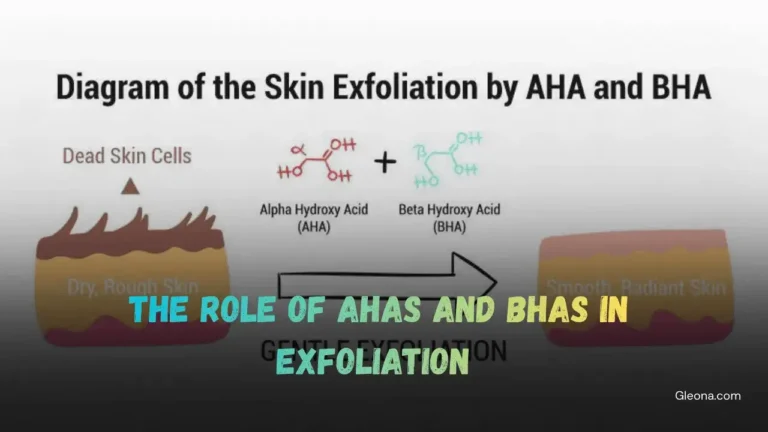
- PHA (polyhydroxy acids) for smoother skin without the burning or peeling
Modern Anti-Aging Picks
- Next-gen peptides for firming, hydration, and fine lines
- Retinal (retinaldehyde) as a “strong but tolerable” retinoid upgrade
Quick Tip:
The best way to try trending ingredients is to add only one new product at a time, start slowly, and always wear daily sunscreen because that’s what protects your results.
The Top Trending Skincare Ingredients in 2026 (And What They Do)

In 2026, skincare trends are shifting toward ingredients that deliver visible results without destroying your skin barrier. Instead of harsh routines, the biggest winners are gentle-but-effective actives that target acne, dark spots, sensitivity, dryness, and early aging.
Here are the top trending skincare ingredients in 2026 and exactly what they do.
1) Next-Gen Peptides (Firming + Smoother Skin)
What they do: Peptides support your skin’s “bounce” by helping improve the look of firmness, fine lines, and overall texture.
Best for: Early anti-aging, dull skin, dehydration
Why they’re trending in 2026: New peptide blends are being used in more lightweight, fast-absorbing formulas.
How to use:
AM or PM, daily
Works well with moisturizers and hydrating serums
Don’t expect instant lifting results build over time
2) Advanced Ceramides & Lipid Blends (Barrier Repair MVP)
What they do: Ceramides are natural fats in your skin that keep moisture in and irritation out. Lipid blends help rebuild a damaged skin barrier.
Best for: Dry, sensitive, irritated, “over-exfoliated” skin
Why they’re trending in 2026: More people are recovering from broken barriers caused by strong actives and too many products.
How to use:
AM + PM, daily
Perfect after retinoids or acids
Great for winter or dry climates
3) Ectoin (Calming + “Anti-Stress” Hydration)
What it does: Ectoin helps calm redness, reduce irritation, and protect skin from environmental stress (like pollution and weather changes).
Best for: Sensitive skin, redness, dryness, city living
Why it’s trending: It’s gentle, soothing, and works well for people who can’t tolerate strong actives.
How to use:
AM or PM, daily
Great under moisturizer or sunscreen
Ideal for skin that feels tight or reactive
4) Azelaic Acid (Acne + Dark Spots + Redness)
What it does: Azelaic acid helps unclog pores, calm inflammation, reduce redness, and fade post-acne marks over time.
Best for: Acne-prone, combination, textured skin
Why it’s trending in 2026: It’s a “multi-tasker” that works for acne and discoloration without being overly harsh.
How to use:
Start 3–4 nights/week, then increase
Can be used in AM too (with sunscreen!)
Mild tingling is normal at first go slow
5) Tranexamic Acid (Dark Spot & Uneven Tone Specialist)
What it does: Tranexamic acid helps improve the look of hyperpigmentation, sun spots, melasma, and uneven tone.
Best for: Dark spots, post-acne marks, dullness
Why it’s trending: More people want brightening results without irritation from strong acids.
How to use:
AM or PM, daily
Best paired with sunscreen
Works great for “stubborn” discoloration
6) PHA (Gentle Exfoliation for Smoother Texture)
What it does: PHAs exfoliate gently while also helping hydrate making them a favorite for sensitive skin.
Best for: Sensitive skin, rough texture, mild clogged pores
Why it’s trending in 2026: People want glow without peeling, burning, or dryness.
How to use:
1–3 times per week (start slow)
Great for beginners
Don’t overdo it gentle still counts as exfoliation
7) Retinal (Retinaldehyde) – The Retinoid Upgrade
What it does: Retinal is a powerful form of vitamin A that helps with acne, texture, fine lines, and skin tone.
Best for: Acne + early aging + uneven texture
Why it’s trending: Many people find it more effective than retinol, but still manageable with proper use.
How to use:
PM only
Start 2 nights/week → slowly increase
Always moisturize and wear sunscreen daily
8) Fermented Ingredients (Glow + Barrier Support)
What they do: Fermented ingredients can help improve hydration, glow, and how smooth your skin looks.
Best for: Dull skin, dryness, uneven texture
Why they’re trending: They’re popular in modern K-beauty and microbiome-friendly skincare.
How to use:
AM or PM
Patch test if you’re sensitive or acne-prone
Great for “glass skin” glow goals
What’s NOT Worth Trying? (Hype vs Real Results)

Not every skincare trend in 2026 is worth your money or your skin barrier. Some “popular” ingredients and routines look amazing on TikTok, but in real life they can cause breakouts, irritation, peeling, and long-term sensitivity.
Here’s what to avoid (or be very careful with) if you want real results.
1) Using Too Many Actives at Once (The #1 Skin Barrier Killer)
The hype: “More ingredients = faster results.”
The reality: Layering too many strong actives can lead to:
- burning and redness
- dryness and flaking
- sudden breakouts
- sensitive, reactive skin
- Common mistake combos:
- Retinoid + AHA/BHA + Vitamin C in one routine
- Exfoliating toner + exfoliating serum + exfoliating mask
Better option:
Pick ONE main active (example: azelaic acid OR retinal) and keep the rest of your routine simple.
2) DIY Viral Skincare Trends (Lemon, Baking Soda, Toothpaste… No!)
The hype: “Natural home hacks fix acne and dark spots fast.”
The reality: DIY skincare can cause:
- chemical burns
- worse pigmentation
- permanent irritation
- damaged skin barrier
- Avoid trends like:
- Lemon juice for dark spots
- Baking soda scrubs
- Toothpaste on pimples
- Random essential oils directly on skin
Better option:
Use proven gentle ingredients like PHA, azelaic acid, ceramides, and sunscreen.
3) “Instant Glass Skin” Promises (Unrealistic Expectations)
The hype: “Get flawless skin in 3 days!”
The reality: Real skin improvements take time:
- acne: 4–8 weeks
- dark spots: 8–12 weeks
- fine lines: 8–16 weeks
If a product claims instant perfection, it’s usually:
- heavy makeup-like shine
- temporary hydration
- filters + lighting
Better option:
Focus on long-term glow from hydration + barrier care + consistency.
4) Over-Exfoliation Trends (More Peeling = More Glow? Nope.)
The hype: “Exfoliate daily for baby-smooth skin.”
The reality: Over-exfoliating can cause:
- tight, stinging skin
- more oiliness (yes!)
- worse acne
- redness and sensitivity
Warning signs you’re overdoing it:
stinging when applying moisturizer
sudden dryness + pimples
redness that won’t calm down
Better option:
Try PHA 1–3 times per week and use ceramides daily.
5) Copy-Paste Celebrity or Influencer Routines
The hype: “If it works for them, it’ll work for me.”
The reality: Their skin may be different because of:
- genetics
- professional treatments
- prescriptions
- filters and lighting
- sponsorships
Better option:
Build a routine based on your skin type:
- acne-prone
- sensitive
- oily
- dry
- combination
6) Products That Hide the Ingredient % (Or Use “Buzzwords” Only)
The hype: Fancy packaging + “clinical” claims.
The reality: Some products use tiny amounts of trendy ingredients just for marketing.
Red flags:
no clear ingredient list focus
too many fragrance irritants
“miracle” claims with no proof
unclear usage directions
Better option:
Choose products that clearly list actives like:
- azelaic acid
- tranexamic acid
- ceramides
- peptides
- retinal
Tutorial: How to Add Trending Ingredients in 2026 Safely (Step-by-Step)

Trying Trending Ingredients in 2026: What’s Worth Trying? can be exciting but the safest way to get results is to add new ingredients slowly, so your skin doesn’t freak out with redness, dryness, or breakouts.
Here’s a simple step-by-step tutorial anyone can follow (even beginners).
Step 1: Pick ONE New Ingredient Only
The biggest mistake people make is trying 3–5 new products at once.
Choose one main goal first:
- Acne → Azelaic acid or Retinal
- Dark spots → Tranexamic acid
- Sensitivity → Ceramides or Ectoin
- Texture → PHA
Tip: If your skin is already irritated, start with barrier repair first (ceramides + moisturizer).
Step 2: Patch Test Before You Use It on Your Whole Face
Patch testing helps you avoid a full-face reaction.
How to patch test (easy method):
- Apply a small amount behind your ear or on your jawline
- Leave it on for 24 hours
- Repeat for 2–3 days
Stop if you get burning, swelling, or rash.
Step 3: Start Slow (Frequency Guide for Beginners)
Even gentle ingredients can irritate if used too often too fast.
Safe beginner schedule:
- Ceramides / peptides / ectoin: daily (AM + PM is fine)
- Tranexamic acid: 1x daily (AM or PM)
- Azelaic acid: 3–4 nights/week → build up
- PHA: 1–2 nights/week
- Retinal: 2 nights/week → slowly increase
Rule: If your skin stings or peels, reduce frequency.
Step 4: Apply in the Correct Order
This helps products work better and reduces irritation.
Best order (simple):
- Cleanser
- Treatment serum (your trending ingredient)
- Moisturizer
- Sunscreen (AM only)
Step 5: Know What to Mix (And What NOT to Mix)
Some combos are great. Others can cause irritation fast.
Safe, beginner-friendly combinations
- Ceramides + anything (barrier support)
- Peptides + moisturizer + sunscreen
- Tranexamic acid + sunscreen
- Azelaic acid + moisturizer
- PHA + ceramide moisturizer
Avoid these combos (especially at the start)
- Retinal + strong acids (AHA/BHA) same night
- PHA + other exfoliants together
- Too many “active serums” layered at once
If you want to use both retinal and exfoliation:
Use retinal on 2 nights, PHA on 1 night, and keep the other nights “rest nights.”
Step 6: Use the “Moisturizer Sandwich” Method (If You’re Sensitive)
This reduces irritation from stronger ingredients like retinal.
How to do it:
- Moisturizer (thin layer)
- Retinal or azelaic acid
- Moisturizer again
Perfect for beginners and dry skin types.
Step 7: Sunscreen Is Non-Negotiable
If you use ingredients for acne, dark spots, or anti-aging, sunscreen protects your results.
Choose SPF 30+ daily
Reapply if outdoors
Without sunscreen, dark spots can come back and irritation gets worse
Beginner-Friendly AM & PM Routine Examples
AM Routine (Simple + Safe)
- Gentle cleanser
- Tranexamic acid OR peptides OR ectoin
- Moisturizer
- Sunscreen SPF 30+
PM Routine (Based on Your Goal)
Option A: Acne routine
- Cleanser
- Azelaic acid (3–4 nights/week)
- Moisturizer
Option B: Anti-aging routine
- Cleanser
- Retinal (2 nights/week to start)
- Moisturizer
Option C: Texture/glow routine
- Cleanser
- PHA (1–2 nights/week)
- Moisturizer
Best Ingredient Picks by Skin Concern (Fast Cheat Sheet)

Not sure which Trending Ingredients in 2026: What’s Worth Trying? actually match your skin goals? Use this quick cheat sheet to choose the right ingredient without wasting money (or irritating your skin).
For Acne + Breakouts
Best ingredients to try:
- Azelaic Acid → reduces pimples, redness, and clogged pores
- Retinal (Retinaldehyde) → helps acne + texture + marks (use slowly)
- PHA → gentle exfoliation for clogged pores and rough skin
Best tip: Keep your routine simple and avoid mixing too many actives.
For Dark Spots + Uneven Skin Tone (Post-Acne Marks, Sun Spots)
Best ingredients to try:
- Tranexamic Acid → brightens stubborn pigmentation and uneven tone
- Azelaic Acid → fades post-acne marks while helping acne
- Daily Sunscreen (SPF 30+) → the #1 must-have for real brightening results
Best combo: Tranexamic acid + sunscreen every morning.
For Sensitive Skin + Redness + Irritation
Best ingredients to try:
- Ceramides & Lipid Blends → repair and strengthen the skin barrier
- Ectoin → calms irritation and hydrates stressed skin
- PHA → gentle exfoliation without harsh peeling
Tip: Avoid strong exfoliants and introduce new products slowly.
For Dry Skin + Dehydration + Tight Feeling
Best ingredients to try:
- Ceramides → lock in moisture and prevent dryness
- Ectoin → deep hydration + calming
- Peptides → support smoother, plumper-looking skin
Best tip: Moisturizer is your best friend use it morning and night.
For Oily Skin + Large-Looking Pores
Best ingredients to try:
- Azelaic Acid → controls breakouts and reduces inflammation
- PHA → smooths texture without drying out skin
- Lightweight Peptides → hydration without heaviness
Tip: Don’t skip moisturizer dehydrated oily skin can produce even more oil.
For Anti-Aging + Fine Lines + Loss of Firmness
Best ingredients to try:
- Retinal → best for fine lines, texture, and long-term results
- Next-Gen Peptides → helps firmness and smoothness
- Ceramides → keeps skin strong and less irritated
Best routine: Retinal at night + peptides in the morning + sunscreen daily.
For Dull Skin + “No Glow”
Best ingredients to try:
- Fermented Ingredients → glow + hydration boost
- PHA → gentle exfoliation for smooth brightness
- Tranexamic Acid → improves uneven tone and dullness
Tip: Dullness often improves fast when your barrier is healthy and hydrated.
External Links for “Trending Ingredients in 2026: What’s Worth Trying?”
- American Academy of Dermatology (AAD) – Evidence-based skincare guidance
https://www.aad.org/public - DermNet NZ – Detailed ingredient and skin condition information
https://dermnetnz.org - Paula’s Choice Ingredient Dictionary – Easy-to-understand breakdown of skincare ingredients
https://www.paulaschoice.com/ingredient-dictionary
Conclusion
Skincare in 2026 isn’t just about what’s trending it’s about what actually works for your skin type and goals. The best part is, you don’t need a 10-step routine to see results. Ingredients like ceramides, ectoin, azelaic acid, tranexamic acid, PHA, peptides, and retinal are trending for a reason: they can improve acne, dark spots, texture, and early aging when used the right way.
The key is to keep it simple: introduce one ingredient at a time, start slowly, moisturize daily, and never skip sunscreen. Consistency will always beat hype.
For more Skin Care Tips and Tricks, Please visit gleona.com.
FAQs
1. How long will it take to see results?
Results depend on the ingredient and your skin type:
- Acne improvement: 4–8 weeks
- Dark spots/fading marks: 8–12 weeks
- Fine lines/texture: 8–16 weeks
2. Can I use these ingredients if I have sensitive skin?
Yes! Some ingredients are gentle and barrier-friendly:
- Ceramides, ectoin, PHA are ideal for sensitive skin.
- Introduce one new ingredient at a time and patch test before full-face use.
3. Do I need expensive products to see results?
Not at all. What matters most:
- The active ingredient concentration
- Proper application frequency
- Using sunscreen daily
Even affordable, evidence-based products can give great results.
4. What should I do if my skin reacts badly?
If irritation occurs:
- Stop using the new ingredient immediately
- Soothe your skin with a gentle cleanser + moisturizer
- Resume slowly after your skin calms down
5. Can men use these trending ingredients too?
Absolutely! Skin concerns like acne, dark spots, and fine lines affect everyone.
- Routines are basically the same
- Focus on your goal, not gender
- Daily sunscreen is still essential