Exfoliation is one of the most effective ways to keep your skin looking clear, bright, and healthy but not all exfoliants work the same. In recent years, AHAs (Alpha Hydroxy Acids) and BHAs (Beta Hydroxy Acids) have become must-have ingredients in skincare routines across the USA, especially among people aged 18–35 who want smoother skin, fewer breakouts, and a more even complexion.
Unlike physical scrubs that can feel harsh or abrasive, AHAs and BHAs exfoliate chemically, helping your skin shed dead cells gently and more efficiently. But to use them safely and get real results, it’s important to understand how they work, who they’re best for, and how to introduce them into your routine.
In this guide, you’ll learn everything about the role of AHAs and BHAs in exfoliation, the science behind their benefits, and step-by-step tips to help you use them like a pro whether you’re dealing with dullness, acne, or uneven texture.
What Are AHAs and BHAs? (Understanding the Basics)

Chemical exfoliants like AHAs (Alpha Hydroxy Acids) and BHAs (Beta Hydroxy Acids) are powerful ingredients that help remove dead skin cells without scrubbing. They work by loosening the bonds that hold dull or clogged skin together, allowing fresher, smoother skin to appear.
AHAs (Alpha Hydroxy Acids)
AHAs are water-soluble acids made from natural sources like fruit, milk, or sugar cane. They mainly work on the surface of the skin, making them ideal for improving brightness, smoothing rough texture, and fading discoloration.
Common AHAs include:
- Glycolic Acid – the most common AHA, known for brightening and smoothing
- Lactic Acid – gentler, helps with hydration and mild exfoliation
- Mandelic Acid – suitable for sensitive skin due to larger molecules
AHAs are best for people dealing with dullness, dryness, uneven skin tone, or early signs of aging.
BHAs (Beta Hydroxy Acids)
BHAs are oil-soluble acids, which allows them to go deep into pores and dissolve buildup such as excess oil and dead cells.
The most common BHA is:
- Salicylic Acid – widely used for acne, clogged pores, and blackheads
Because BHAs penetrate deeper, they’re especially helpful for oily, combination, or acne-prone skin. They also have mild anti-inflammatory properties, making them great for calming breakouts.
How They Differ in Simple Terms
- AHAs = surface exfoliation → brightening + smoothing
- BHAs = deep exfoliation → unclogging pores + reducing acne
Both AHAs and BHAs play an important role in exfoliation, but choosing the right one depends on your skin’s needs.
The Role of AHAs and BHAs in Exfoliation (Key Benefits)
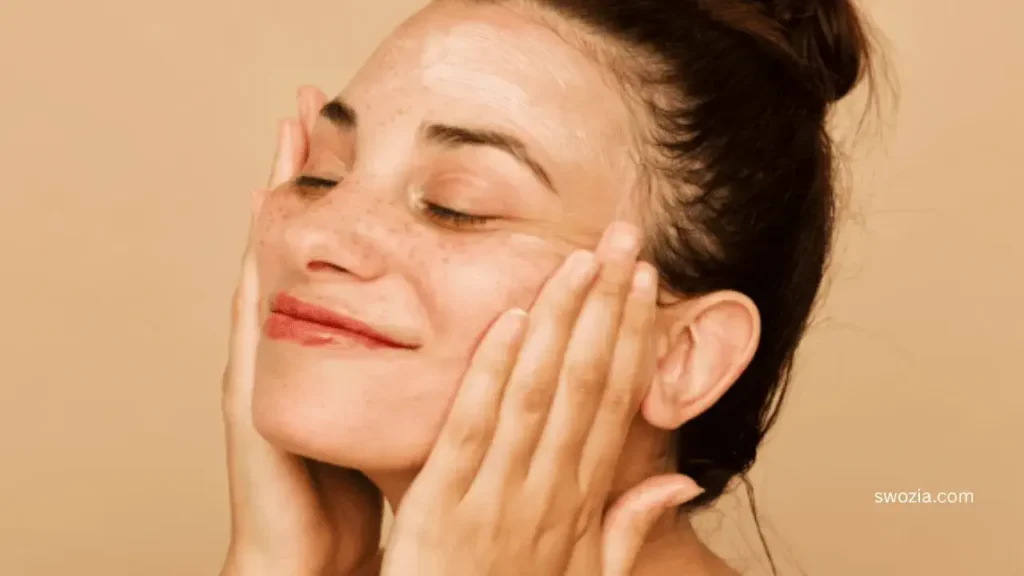
AHAs and BHAs are two of the most effective exfoliating ingredients in modern skincare. While they work differently, both help remove dead skin cells, clear buildup, and improve overall skin texture. Understanding their role in exfoliation can help you choose the right acid and get visible results without irritation.
Boosting Cell Turnover
One of the main benefits of chemical exfoliation is increased cell turnover.
- AHAs dissolve the bonds between dead skin cells on the surface.
- BHAs penetrate deeper to clear debris inside pores.
This process helps reveal smoother, brighter, and healthier-looking skin over time.
Reducing Acne and Congestion
BHAs, especially salicylic acid, excel at cleaning out clogged pores. They break down oil buildup, which helps:
- Reduce blackheads
- Prevent whiteheads
- Minimize breakout frequency
Their anti-inflammatory properties also help calm irritated or acne-prone skin.
Improving Hyperpigmentation and Texture
AHAs are known for visibly improving:
- Dark spots
- Acne marks
- Uneven skin tone
- Rough or bumpy texture
By encouraging consistent exfoliation, AHAs help fade discoloration and smooth fine lines, giving the skin a more even, radiant look.
Balancing Oil and Moisture Levels
While BHAs help control excess oil, AHAs add hydration (especially lactic acid), making them complementary for combination skin.
Enhancing Absorption of Other Skincare Products
By removing dead cells and buildup, the skin becomes more receptive to:
- Moisturizers
- Serums
- Treatments
This means your routine works better and more effectively.
AHA vs BHA – Which One Is Right for You?

Choosing between AHAs and BHAs depends on your skin type, concerns, and sensitivity level. Although both exfoliate effectively, they work differently which means one may suit you better than the other.
Best for Dry or Dull Skin: AHAs
AHAs exfoliate the surface of the skin and attract moisture, making them ideal for:
- Dry or dehydrated skin
- Rough or uneven texture
- Dullness
- Early signs of aging (fine lines, mild discoloration)
If your skin often looks tired or flaky, AHAs can brighten and smooth it without targeting oil deeper in the pores.
Best for Oily or Acne-Prone Skin: BHAs
BHAs penetrate deep inside pores, breaking down oil and buildup perfect for:
- Oily skin
- Combination skin
- Acne or frequent breakouts
- Blackheads and clogged pores
If your main concerns involve congestion or shine, BHAs help keep pores clear and reduce inflammation.
Which One Is Better for Sensitive Skin?
- Mandelic acid (AHA) is one of the gentlest options.
- Low-strength salicylic acid (BHA) can also work if used slowly.
Choosing a mild formula and starting with once-a-week use helps avoid irritation.
Can You Use AHAs and BHAs Together?
Yes but with caution.
Using them together can boost exfoliation, helping with both surface texture (AHA) and deep pore cleansing (BHA). This works especially well for combination skin.
However, beginners should:
- Start with one product at a time
- Avoid layering both acids in a single routine initially
- Alternate them on different days if needed
Overuse can damage the skin barrier, so gentle, gradual application is key.
Quick Comparison Chart
| Skin Concern | Best Option | Why |
|---|---|---|
| Dull, dry, uneven skin | AHA | Surface smoothing + hydration |
| Acne-prone, oily, clogged pores | BHA | Penetrates pores + reduces oil |
| Dark spots or texture | AHA | Improves pigmentation + brightness |
| Blackheads & congestion | BHA | Dissolves pore blockages |
| Combination skin | Both (alternating) | Targets multiple concerns |
Step-by-Step Tutorial: How to Safely Use AHAs and BHAs

Introducing chemical exfoliants into your skincare routine can transform your skin but only when used correctly. This simple, step-by-step guide helps you enjoy the benefits of AHAs and BHAs without irritation.
Step 1: Patch Test the Product
Before using any acid on your face, always test it on a small area such as the jawline or inner arm.
- Wait 24 hours to check for redness or irritation.
- If your skin reacts, choose a gentler formula or lower concentration.
Step 2: Start Slowly (1–2 Times Per Week)
Chemical exfoliants are powerful. Beginners should:
- Use them only once or twice per week
- Avoid daily use in the beginning
- Increase frequency gradually as your skin adjusts
This prevents over-exfoliation and protects your skin barrier.
Step 3: Apply After Cleansing
Use AHAs or BHAs on clean, dry skin.
Order:
- Cleanser
- AHA/BHA
- Moisturizer
- Sunscreen (AM only)
Let the exfoliant sit for 1–2 minutes before applying moisturizer.
Step 4: Avoid Mixing With High-Potency Actives
To prevent irritation, do not combine AHAs or BHAs with:
- Strong retinoids
- High-strength vitamin C
- Benzoyl peroxide
- Physical scrubs
- Other exfoliating acids
If you need these actives, use them on alternate days.
Step 5: Always Use Sunscreen
AHAs make your skin more sensitive to the sun, and BHAs can also increase vulnerability.
- Wear broad-spectrum SPF 30 or higher daily
- Reapply every 2 hours if outdoors
This protects your skin and helps you get the best results from exfoliation.
Step 6: Moisturize Generously
Chemical exfoliation can sometimes feel drying. Using a hydrating moisturizer helps:
- Strengthen the skin barrier
- Soothe potential irritation
- Lock in moisture for smoother results
Step 7: Monitor Your Skin’s Response
Pay attention to early warning signs like:
- Tightness
- Redness
- Excessive flaking
If you notice irritation, reduce usage or switch to a gentler formula like lactic acid (AHA) or a low-strength salicylic acid (BHA).
Common Mistakes to Avoid With AHAs and BHAs

Even though AHAs and BHAs can dramatically improve your skin, using them incorrectly can lead to irritation, dryness, or breakouts. Avoiding these common mistakes will help you get safe, consistent results.
1. Over-Exfoliating the Skin
One of the biggest mistakes people make is applying chemical exfoliants too often.
Over-exfoliation can cause:
- Redness
- Sensitivity
- Flaking
- Breakouts due to a damaged skin barrier
Solution:
Start with 1–2 times per week, then gradually increase only if your skin tolerates it well.
2. Using Multiple Exfoliants at Once
Layering AHAs, BHAs, scrubs, and peeling solutions in the same routine is harsh on the skin.
This causes unnecessary irritation and inflammation.
Solution:
Stick to one exfoliant per routine and avoid combining chemical and physical exfoliators.
3. Pairing AHAs/BHAs With Strong Actives
Mixing chemical exfoliants with:
- Retinoids
- High-strength vitamin C
- Benzoyl peroxide
- Other acids
…can overwhelm your skin.
Solution:
Use actives on alternate days, not in the same routine.
4. Not Wearing Sunscreen Daily
AHAs and even BHAs make your skin more sun-sensitive.
Skipping SPF increases the risk of:
- Sunburn
- Pigmentation
- Skin damage
Solution:
Apply SPF 30 or higher every morning when using exfoliating acids.
5. Applying on Damp or Sensitive Skin
Using acids on wet skin can make them stronger and more irritating.
Broken or irritated skin is also more reactive.
Solution:
Always apply AHAs/BHAs to clean, dry skin and avoid areas with cuts or irritation.
6. Expecting Overnight Results
Chemical exfoliation works just not instantly.
It may take 2–6 weeks to see improvements in texture, breakouts, or brightness.
Solution:
Be patient and stay consistent with a gentle routine.
7. Ignoring Moisturization
Skipping moisturizer after exfoliating can dry out your skin and weaken the barrier.
Solution:
Use a hydrating, non-irritating moisturizer after applying AHAs or BHAs.
Recommended AHA & BHA Products for Beginners (USA-Friendly Options)

These beginner-friendly options are widely available across the USA and known for being gentle, effective, and safe for most skin types.
1. COSRX AHA/BHA Clarifying Treatment Toner
Type: Mild AHA + BHA toner
Best For: Sensitive or beginner skin
Why It’s Good: Very gentle, helps refine texture without irritation, great for first-time acid users.
2. Paula’s Choice Skin Perfecting 2% BHA Liquid Exfoliant
Type: BHA (Salicylic Acid)
Best For: Oily, acne-prone, or congested skin
Why It’s Good: One of the most trusted BHAs; unclogs pores, reduces blackheads, smooths texture.
3. The Ordinary Glycolic Acid 7% Toning Solution
Type: AHA (Glycolic Acid)
Best For: Dullness, uneven texture, dry skin
Why It’s Good: Affordable, effective, brightens skin and boosts glow; ideal AHA for beginners.
4. Glow Recipe Strawberry Smooth BHA + AHA Salicylic Serum
Type: AHA + BHA serum
Best For: Combination skin
Why It’s Good: Gentle dual exfoliation; smooths texture, refines pores, beginner-friendly formula.
5. L’Oréal Paris RevitaLift 3.5% Pure Glycolic Acid Cleanser
Type: AHA (in cleanser format)
Best For: Dry or basic exfoliation needs
Why It’s Good: AHA cleanser is less intense; perfect if you want very soft exfoliation.
6. Dr. Dennis Gross Alpha Beta Universal Daily Peel (2-Step Pads)
Type: AHA + BHA peel pads
Best For: Intermediate beginners
Why It’s Good: Balanced blend of acids in controlled pads; excellent for texture, brightness, and pores.
7. Drunk Elephant T.L.C. Sukari Babyfacial (Weekly Use)
Type: AHA + BHA mask
Best For: Once-a-week deeper exfoliation
Why It’s Good: Stronger resurfacing effect; ideal once your skin is used to gentle acids.
How to Choose Based on Your Skin Type

If you have dry or dull skin:
AHA The Ordinary Glycolic 7%
Glow Recipe AHA/BHA Serum (mild option)
If you have oily or acne-prone skin:
Paula’s Choice 2% BHA
COSRX AHA/BHA Toner (for sensitive oily skin)
If you have combination skin:
Glow Recipe Strawberry Smooth
COSRX AHA/BHA Toner
If you’re very sensitive or a total beginner:
COSRX AHA/BHA Toner
L’Oréal Glycolic Cleanser (very mild)
If you want stronger results later on:
Dr. Dennis Gross Peel Pads
Drunk Elephant Babyfacial (weekly)
CONCLUSION
AHAs and BHAs can make a big difference in helping you achieve smoother, brighter, and clearer skin when used correctly. Whether you choose AHAs for surface glow or BHAs for deep pore cleansing, understanding how they work is the key to getting great results without irritation.
Start slowly, listen to your skin, and avoid mixing too many active ingredients at once. Consistency and gentle care will always help your skin more than rushing the process.
If you’re unsure which exfoliant is best for your skin type or if you have sensitive skin, it’s always a good idea to check with a dermatologist for personalized guidance.
For more Skin Care Tips and Tricks, Please visit gleona.com.
FAQs
1: What is the difference between AHAs and BHAs?
AHAs (Alpha Hydroxy Acids) are water-soluble acids that exfoliate the skin’s surface, improving brightness, texture, and fine lines. BHAs (Beta Hydroxy Acids) are oil-soluble, penetrate pores, and are ideal for acne-prone or oily skin.
2: Can I use AHAs and BHAs together?
Yes, but beginners should be cautious. You can alternate them on different days or use a product that combines both at a low concentration. Always start slowly to avoid irritation.
3: How often should I use AHA or BHA products?
For beginners, 1–2 times per week is recommended. As your skin adjusts, you can gradually increase usage. Overuse can damage the skin barrier and cause redness or sensitivity.
4: Do AHAs and BHAs make my skin more sensitive to the sun?
Yes. AHAs, in particular, increase sun sensitivity. Always apply broad-spectrum SPF 30 or higher daily when using chemical exfoliants to prevent sun damage.
5: Can I use AHAs or BHAs if I have sensitive skin?
Yes, but start with mild options like mandelic acid (AHA) or a low-concentration BHA toner. Patch-test first and begin with 1× per week to monitor your skin’s tolerance.