Learn how to treat sunburn without peeling using dermatologist-approved tips. Soothe inflammation, hydrate skin, and prevent long-term damage safely.
In this guide, you’ll find simple, science-backed methods to cool sunburn, lock in moisture, protect damaged skin, and speed up the healing process. From immediate first-aid steps to daily care routines, this tutorial will walk you through exactly what to do and what to avoid to help your skin recover smoothly.
What Causes Sunburn Peeling and How to Treat Sunburn Without Peeling
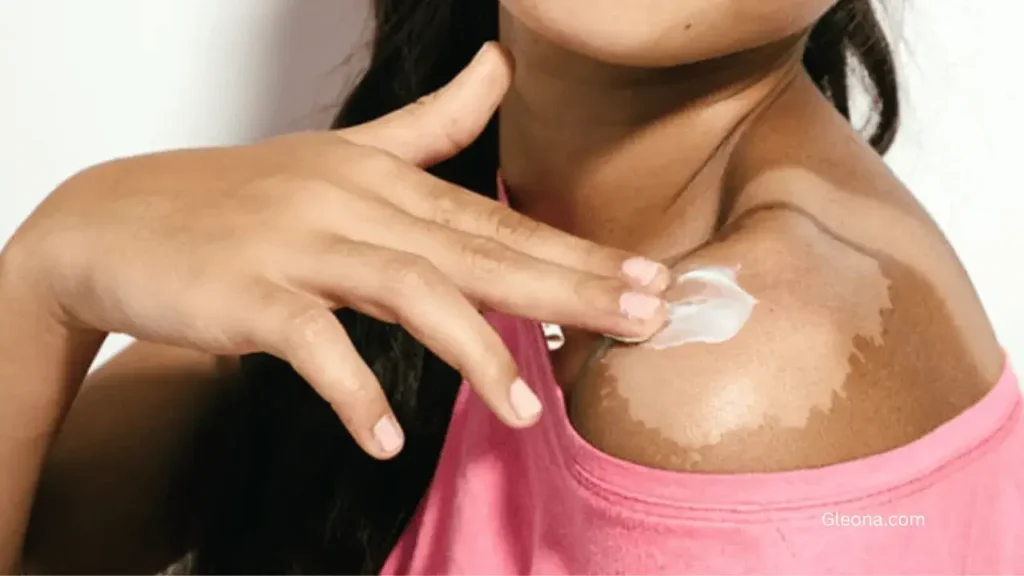
Sunburn peeling happens because your skin is trying to repair itself after UV damage. When the sun’s ultraviolet (UV) rays penetrate the skin, they damage the DNA inside skin cells. Your body responds by removing those damaged cells and replacing them with new, healthy ones and that shedding process appears as peeling.
Peeling is actually a protective response, but it can feel uncomfortable and look uneven. Here’s what’s happening beneath the surface:
- UV rays damage the top layer of your skin (the epidermis).
This weakens the skin barrier, causing redness, heat, and irritation. - Your body identifies the damaged cells as unsafe.
It pushes them out, which leads to dry, flaky, or peeling skin. - Inflammation increases moisture loss.
The skin becomes dehydrated, making peeling more likely if not treated quickly. - Lack of hydration speeds up the peeling process.
Without moisture, damaged skin cracks and sheds faster.
Immediate Steps to Treat Sunburn Without Peeling

Taking action as soon as you notice a sunburn is the best way to prevent peeling. Your goal is to cool the skin, add moisture, and protect the damaged barrier so it can heal smoothly. These simple, gentle steps work together to reduce dryness and irritation two major causes of peeling.
1. Cool the Skin Safely
Right after you realize you’re sunburned, focus on lowering the skin temperature.
- Use a cool (not icy) compress for 10–15 minutes.
- Rinse the area under cool water to calm the heat.
- Avoid ice directly on the skin, which can irritate it further.
Cooling the skin slows inflammation and helps prevent early peeling.
2. Hydrate With a Lightweight, Soothing Moisturizer
As soon as the skin feels less hot, apply a gentle, fragrance-free moisturizer.
Great options include:
- Aloe vera gel
- Moisturizers with ceramides
- Lightweight, non-greasy lotions
Apply these multiple times per day to keep the skin soft and prevent dryness, which leads to peeling.
3. Avoid Hot Showers and Harsh Products
Hot water can strip moisture and make peeling more likely.
Avoid:
- Hot showers
- Scrubs
- Strong fragrances
- Alcohol-based products
Stick to mild cleansers and lukewarm water until your skin recovers.
4. Drink Plenty of Water
Hydration isn’t just external it starts inside.
Drinking more water helps:
- Support the skin’s repair process
- Reduce dryness
- Keep the outer layer more elastic
Well-hydrated skin peels less and heals faster.
5. Reapply Moisturizer Throughout the Day
Sunburned skin loses moisture quickly, so frequent reapplication is key.
A good routine:
- Apply a soothing gel first
- Follow with a lightweight moisturizer to seal it in
This layering helps keep the skin calm and protected.
Sunburn Treatment Tutorial: Prevent Peeling Step-by-Step

Below is a simple, mobile-friendly tutorial you can follow right away to treat sunburn without peeling. Short steps, clear timings, and gentle product notes written so anyone (18–35, USA) can get their skin calm and protected.
Step 1 Cool the Burn (First 0–30 minutes)
- Gently rinse the area with cool (not cold) water for 5–10 minutes or apply a cool compress for 10–15 minutes.
- Pat dry with a soft towel don’t rub.
- Repeat every few hours while the skin feels hot.
Why: Cooling lowers inflammation and reduces the chance of early moisture loss that leads to peeling.
Step 2 Apply a Soothing Gel (Within the first hour)
- Use pure aloe vera gel (look for mostly aloe with few additives) or a lightweight, fragrance-free after-sun gel.
- Smooth a thin layer over the whole sunburned area don’t over-apply.
- Reapply 2–3 times a day as needed for comfort.
Why: Aloe and similar soothing gels calm inflammation and provide immediate relief without blocking skin breathing.
Step 3 Lock in Moisture (After cooling + gel)
- After the soothing gel absorbs (a minute or two), apply a fragrance-free moisturizer with humectants (glycerin, hyaluronic acid) and barrier lipids (ceramides).
- If the skin is very dry, choose a slightly thicker lotion still fragrance-free.
- Reapply every 4–6 hours or after showering.
Why: Keeping the skin hydrated prevents it from drying out and shedding.
Step 4 Use Short-Term Anti-Inflammatory Care (Optional, 24–48 hours)
- For extra redness or itch, a short course of OTC 1% hydrocortisone cream can help. Use sparingly and follow package directions.
- Don’t use steroid creams on broken or blistered skin seek medical help if blisters are large or painful.
Why: Reducing inflammation lowers the skin’s impulse to peel. (If unsure, skip this and consult a healthcare provider.)
Step 5 Gentle Cleansing Routine (Daily until healed)
- Use a mild, fragrance-free cleanser and lukewarm water.
- Avoid scrubs, exfoliants (AHAs/BHAs), and rough washcloths until fully healed.
Why: Harsh cleansing increases irritation and promotes peeling.
Step 6 Protect While It Heals (Every time you go outside)
- Keep the burned area out of the sun while it heals wear loose, breathable clothing and a wide-brim hat.
- Once the initial heat and redness subside (usually 48+ hours), apply a broad-spectrum mineral SPF 30+ sunscreen if the area will be exposed. Reapply every 2 hours if in sun.
Why: Additional UV exposure makes damage worse and raises peeling risk.
Step 7 Hydrate From the Inside (Ongoing)
- Drink extra water for several days after the burn.
- Include hydrating foods (fruits, veggies) if possible.
Why: Proper hydration supports skin repair and reduces dryness.
Step 8 Watch and Adjust (Daily checks)
- If the area gets significantly worse, becomes very painful, shows signs of infection (increasing warmth, spreading redness, pus), or you have fever, see a healthcare professional.
- For blisters that cover large areas or severe burns, seek medical attention promptly.
Why: Some burns need medical treatment beyond home care.
Natural Home Remedies That Help Prevent Peeling

If you prefer gentle, natural options, several home remedies can help soothe sunburn and keep your skin hydrated two key steps in preventing peeling. These ingredients calm irritation, cool the skin, and support the healing process without harsh chemicals.
1. Oatmeal Soaks
Oatmeal is one of the most soothing natural skin remedies.
How it helps:
- Reduces itching
- Calms redness
- Softens dry, irritated skin
How to use:
- Add plain, unflavored oatmeal to a cool or lukewarm bath.
- Soak for 10–15 minutes.
- Pat skin gently afterward don’t rub.
2. Cold Milk Compresses
Milk contains proteins and fats that soothe and cool sunburned skin.
How it helps:
- Reduces heat
- Eases irritation
- Softens and moisturizes the top layer of skin
How to use:
- Dip a clean cloth in cold milk.
- Apply to the sunburn for 10 minutes.
- Rinse with cool water and moisturize right after.
3. Cucumber Gel or Paste
Cucumber is naturally cooling and full of antioxidants.
How it helps:
- Provides instant cooling
- Hydrates the skin
- Reduces redness and puffiness
How to use:
- Blend fresh cucumber into a smooth paste or use refrigerated cucumber slices.
- Apply for 10–15 minutes, then rinse gently.
4. Aloe Vera From the Leaf
If you have access to a fresh aloe plant, it’s an excellent natural option.
How it helps:
- Soothes inflammation
- Adds lightweight hydration
- Speeds skin comfort and recovery
How to use:
- Cut a leaf, scrape out the gel, and apply directly.
- Let it absorb fully before moisturizing.
5. Chamomile Tea Compress
Chamomile has calming, skin-soothing properties.
How it helps:
- Reduces irritation
- Helps cool skin
- Supports relaxation of inflamed areas
How to use:
- Brew chamomile tea, let it cool completely, then soak a soft cloth in it.
- Apply to the burn for 10 minutes.
6. Coconut Water Mist
Not coconut oil but coconut water is useful for lightweight hydration.
How it helps:
- Hydrates without heaviness
- Provides vitamins and minerals
- Cools gently when chilled
How to use:
- Chill pure coconut water in the fridge.
- Pour into a spray bottle and mist lightly on the skin.
- Follow with moisturizer.
What NOT to Do If You Want to Avoid Peeling

Just as important as what you should do for sunburn is what you should avoid. Certain habits can irritate the skin, increase dryness, or make the damage worse all of which raise the chances of peeling. Steering clear of these mistakes will help your skin heal more smoothly.
1. Don’t Peel or Pick at the Skin
It might be tempting, but peeling skin manually can:
- Slow down healing
- Expose sensitive layers
- Increase irritation
Let the skin shed naturally, and keep it moisturized instead.
2. Don’t Take Hot Showers or Baths
Hot water strips moisture from the skin and makes peeling more likely.
Use cool or lukewarm water until the burn heals.
3. Don’t Use Scrubs or Exfoliants
Avoid:
- Scrub washes
- Loofahs
- Exfoliating brushes
- AHA/BHA exfoliants
These can worsen irritation and damage the weakened skin barrier.
4. Don’t Apply Heavy Oils or Petroleum on Fresh Burns
Thick oils can trap heat in the skin, slowing the cooling process.
Stick to lightweight gels and gentle moisturizers during the first 24–48 hours.
5. Don’t Use Scented or Alcohol-Based Products
These ingredients can sting the skin and dry it out, leading to faster peeling.
Choose fragrance-free, gentle formulas.
6. Don’t Pop Blisters
If blisters appear, avoid touching or popping them.
They help protect deeper layers while healing.
If blisters are large or painful, a healthcare professional should check them.
7. Don’t Go Back Into the Sun Unprotected
Even brief exposure can worsen damage and trigger peeling.
Use:
- Loose, breathable clothing
- Hats
- Shade
- Mineral sunscreen (once the skin cools down)
How Long Sunburn Takes to Heal (Based on Severity)
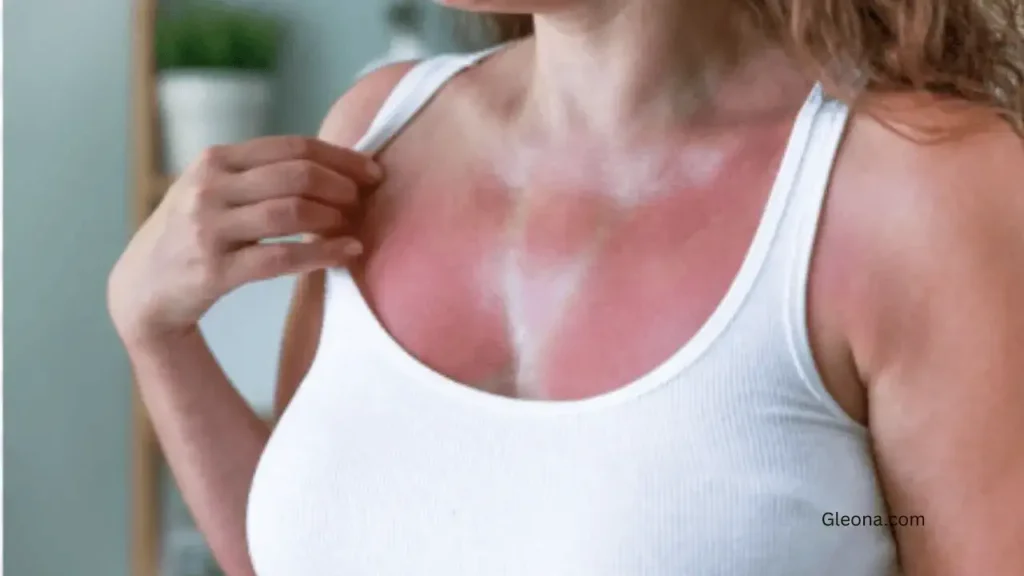
Every sunburn is different, and healing time depends on how deeply the UV rays affected your skin. Understanding the timeline helps you know what to expect and how to care for your skin so it heals without peeling.
Below are general recovery ranges based on typical sunburn levels:
1. Mild Sunburn (Pink, Warm Skin)
Healing time: 3–5 days
What it looks like:
- Light redness
- Mild tenderness
- Warmth or tightness
What you may expect:
- Skin usually heals quickly with good hydration
- Peeling is less common when moisturized consistently
2. Moderate Sunburn (Red, Sore, Hot Skin)
Healing time: 5–7 days
What it looks like:
- Bright red skin
- Noticeable tenderness
- Skin feels hot for 24–48 hours
What you may expect:
- Peeling may happen around day 3–4
- Proper aftercare (cooling + moisturizing) can reduce or prevent peeling
3. More Intense Sunburn (Very Red, Swollen, or Blistered Areas)
Healing time: 7–10+ days
(For large blisters or severe burns, a healthcare professional should check the area.)
What it looks like:
- Deep redness
- Swelling
- Blisters may form
What you may expect:
- The skin often peels as it repairs itself
- It’s important not to pop blisters keeping them protected helps healing
- Hydration and gentle care are essential
What Affects Healing Time?
A few factors can make recovery quicker or slower:
- How soon you start cooling and moisturizing
- How much sun exposure continues after the burn
- Your natural skin sensitivity
- How hydrated you keep your body and skin
When You Should See a Dermatologist

Most mild sunburns can be handled at home, but sometimes your skin needs professional care. A dermatologist can help you avoid complications and make sure your skin heals safely. Here are situations where it’s a good idea to get medical guidance:
1. Severe Redness, Swelling, or Large Blisters
If the burned area becomes very red, swollen, or develops large or multiple blisters, a dermatologist should evaluate it. Blisters mean the deeper layers of the skin are affected.
2. Sunburn That Covers a Large Area of the Body
If a big part of your body is burned like the back, shoulders, arms, or legs it can be harder to manage at home and may need professional advice.
3. Increasing Pain Instead of Improvement
If the pain gets worse instead of better over the next day or two, a dermatologist can help determine if something more serious is going on.
4. Signs of Infection
If you notice:
- Spreading redness
- Warmth that keeps increasing
- Yellowish fluid
- Unusual tenderness
These can be signs you need medical care.
5. Fever, Chills, Nausea, or Feeling Unwell
Feeling sick after a sunburn isn’t typical. If this happens, it’s important to get checked by a professional.
6. Sunburn That Doesn’t Heal Within the Expected Time
If mild to moderate sunburn doesn’t improve within 5–7 days, or the skin keeps peeling for longer than usual, a dermatologist can guide you on safe next steps.
7. If You Get Sunburned Easily or Frequently
Some people are more sensitive to the sun. A dermatologist can help recommend skin-safe routines and protection tips for the future.
Product Recommendations for Treating Sunburn & Preventing Peeling

Here are some highly rated and dermatologist‑recommended after‑sun or skin-repair products:
1. Aloe / Soothing Gels (Cooling)
- Dr. Barbara Sturm Aloe Vera Gel Very high aloe content; helps with cooling and inflammation. Allure
- Banana Boat Aloe After Sun Gel A classic, affordable choice for a soothing, lightweight gel. Vogue
- Aloderma Natural Pure Aloe Vera Gel Pure formula, which helps lock in moisture without irritating damaged skin. Glamour+1
2. Moisturizers / Lotions (Barrier Repair)
- CeraVe Moisturizing Cream Contains ceramides and helps rebuild the skin barrier. Recommended by dermatologists to prevent peeling after sunburn. Allure+1
- Burts Bees Aloe & Coconut Oil After-Sun Soother Combines aloe with glycerin and coconut oil for hydration. Healthline
- Aveeno Calm + Restore Body Moisturizer Gel Uses prebiotic oat and feverfew to soothe sensitive, sun‑stressed skin. Glamour
- La Roche‑Posay Cicaplast B5 Balm Great for very irritated skin; helps soothe and repair. Glamour
3. Select After-Sun Lotions / Repair Products
- COOLA Organic Radical Recovery After Sun Lotion Contains aloe, lavender, and rosemary extract to hydrate and repair. Allure
- SunBurnt® After Sun Gel Botanical blend (aloe + cucumber + calendula) designed to cool, soothe, and rehydrate. Quest Healthcare
Conclusion
Sunburn is more than just temporary redness it can damage your skin and lead to peeling if not treated properly. The good news is that with early care, gentle hydration, and the right home remedies, you can treat sunburn without peeling and help your skin heal smoothly.
Remember the key steps:
- Cool the skin immediately to reduce heat and inflammation
- Moisturize and hydrate regularly, both externally and internally
- Avoid harsh products, scrubs, and picking at the skin
- Protect the area from further sun exposure while it heals
By following these dermatologist-backed tips and natural remedies, you can soothe your skin, minimize discomfort, and prevent peeling all while supporting your skin’s natural healing process.
For more Skin Care Tips and Tricks, Please visit gleona.com.
FAQs
1: Can I prevent sunburn peeling completely?
While it may not always be possible to prevent peeling entirely, cooling, moisturizing, and protecting your skin immediately after sunburn greatly reduces the risk. Avoid harsh scrubs and picking at the skin.
2: Is it safe to use aloe vera on all sunburns?
Yes, aloe vera gel is generally safe for mild to moderate sunburns. Use pure, fragrance-free aloe and avoid applying it to broken skin or severe blisters without professional advice.
3: How long does it take for a mild sunburn to stop peeling?
Mild sunburn usually heals within 3–5 days if properly cared for. Peeling is less likely with consistent hydration and gentle care.
4: Can home remedies really prevent peeling?
Natural remedies like oatmeal soaks, cucumber slices, cold milk compresses, and aloe vera can soothe inflammation and hydrate skin, which helps reduce peeling. They work best when combined with proper moisturizer and sun protection.
5: When should I see a dermatologist for sunburn?
Seek medical attention if your sunburn is severe, covers a large area, causes large blisters, or is accompanied by fever, chills, or signs of infection. Early intervention prevents complications and promotes proper healing.