
Wondering how often should you exfoliate your skin? Learn the perfect frequency for your skin type, signs of over-exfoliating, and a step-by-step tutorial for a healthy glow.
How Often Should You Exfoliate Your Skin? Discover the perfect frequency for your skin type, signs of over-exfoliating, and a pro tutorial for a healthy glow. We’ve all fallen for that viral “miracle” peel only to end up with a face that feels like a literal sunburned tomato. While exfoliation is the “secret sauce” for achieving that coveted glass-skin look, doing it too much can wreck your skin barrier faster than you can say “hyaluronic acid,” leaving you with stinging redness instead of a radiant finish.
If you’re currently staring at your bathroom shelf asking, “How Often Should You Exfoliate Your Skin?”, you’re in the right place to find your “Goldilocks” frequency. This guide cuts through the marketing fluff to help you find the sweet spot between a dull complexion and over-processed irritation. Whether you’re balancing an oily T-zone in NYC or dealing with dry patches in Denver, here is everything you need to know about exfoliating the right way for your specific skin type and lifestyle.
The Short Answer: How Often Should You Exfoliate Your Skin?

If you’re looking for a quick baseline, most dermatologists recommend exfoliating 2 to 3 times per week. This frequency is usually enough to buff away dead skin cells and keep your pores clear without stripping your face of its natural, protective oils.+1
However, because everyone’s skin barrier is unique, the answer to “How Often Should You Exfoliate Your Skin?” isn’t a one-size-fits-all number. Your “perfect” schedule depends on two main factors:
- Your Skin Type: Oily skin can typically handle more frequent exfoliation, while sensitive or dry skin might only need it once a week.
- The Product Type: A gentle PHA (Polyhydroxy Acid) can often be used more frequently than a gritty physical scrub or a high-percentage Glycolic acid.
Pro-Tip: If you are a complete beginner, start once a week for 14 days. If your skin doesn’t get red or flaky, move up to twice a week. It’s much easier to increase frequency than it is to heal a chemical burn!
Finding Your Frequency by Skin Type
To get the best results, you need to stop treating your face like a one-size-fits-all project. The real secret to how often should you exfoliate your skin lies in your unique skin type. Here is how to break it down:
Sensitive or Dry Skin: Once a Week (Max)
If your skin often feels tight, flaky, or turns pink after just looking at a new product, you need to move with caution. For you, exfoliation is about gentle resurfacing, not a deep scrub.
- The Goal: Use a gentle PHA (Polyhydroxy Acid) or a low-percentage Lactic acid once a week or even every other week to shed dry patches without triggering a flare-up.
Oily or Acne-Prone Skin: 2–3 Times a Week
If you’re dealing with excess shine or clogged pores, your skin can generally handle a more rigorous schedule.
- The Goal: Stick to BHAs (like Salicylic acid) 2 or 3 times a week. BHAs are oil-soluble, meaning they dive deep into your pores to dissolve the “glue” holding onto gunk and oil.
Combination Skin: 2 Times a Week
Finding how often should you exfoliate your skin when you have an oily T-zone but dry cheeks is a balancing act.
- The Goal: Target your exfoliation. You might apply a BHA to your forehead and nose twice a week, while only exfoliating your drier cheeks once a week (or skipping them entirely).
Normal Skin: 2–3 Times a Week
Lucky you! If your skin is relatively balanced, you have more freedom to experiment with both chemical and physical exfoliants.
- The Goal: Start with twice a week to maintain that glow. If your skin feels resilient and healthy, you can bump it up to three times, but always keep an eye out for unexpected sensitivity.
Chemical vs. Physical: Which One Is for You?
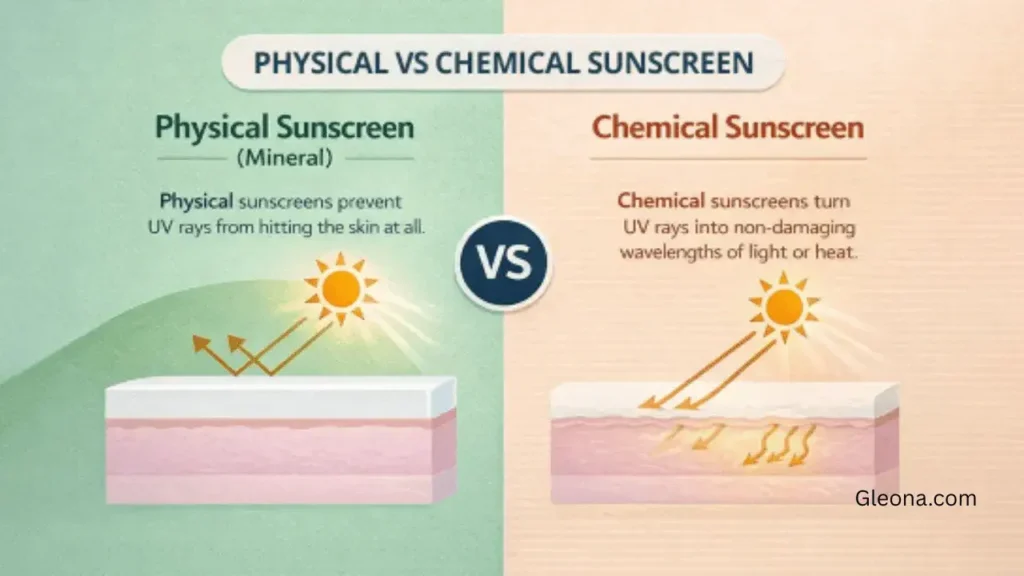
When figuring out how often should you exfoliate your skin, the type of exfoliator you choose changes the rules entirely. The skincare world divides exfoliants into two main camps: chemical and physical. Here is how to choose your fighter.
Chemical Exfoliants (The Liquid Gold)
Don’t let the word “chemical” scare you. These are gentle acids or enzymes that dissolve the “glue” holding dead skin cells to your face. Dermatologists and skincare influencers alike love them because they provide an even, controlled exfoliation without harsh scrubbing.+1
- AHAs (Alpha Hydroxy Acids): Think Glycolic or Lactic acid. These are water-soluble and work on the surface of your skin to fade dark spots, smooth texture, and give you that “glass skin” glow.+1
- BHAs (Beta Hydroxy Acids): Think Salicylic acid. These are oil-soluble, meaning they bypass the surface and dive deep into your pores to clear out acne-causing bacteria and excess sebum.+1
- PHAs (Polyhydroxy Acids): The gentle cousins of AHAs. Their larger molecule size means they don’t penetrate as deeply, making them perfect for sensitive or reactive skin.
Physical Exfoliants (The Classic Scrub)
Physical exfoliants use small granules, brushes, or textured tools to manually physically buff away dead skin.
- The Pros: They give you that instantly gratifying, baby-smooth feeling right out of the shower.
- The Warning: You have to be incredibly gentle. Many old-school scrubs use crushed walnut shells or fruit pits, which have jagged edges that can cause microscopic tears in your skin barrier.
- The Verdict: If you love a physical scrub, ditch the harsh pits and look for formulas with perfectly round jojoba beads, dissolving sugar, or fine rice powder.
Pro-Tip: Never mix the two on the same day! Using a gritty scrub and following it up with a strong AHA acid toner is a fast track to a damaged, burning skin barrier.
Tutorial: How to Exfoliate Like a Pro
Figuring out how often should you exfoliate your skin is only half the battle. The actual technique is what stands between you and a glowing complexion (or a compromised, angry skin barrier).
Whether you are using a liquid BHA or a gentle rice powder scrub, here is your foolproof, step-by-step routine to exfoliating safely.
Step 1: Start with a Blank Canvas (Cleanse) Never exfoliate over makeup, sunscreen, or daily grime. Wash your face with a gentle, hydrating cleanser first. You want your exfoliant to work on your dead skin cells, not yesterday’s foundation.
Step 2: Check Your Base (Damp vs. Dry Skin) This is where most people mess up!
- For Chemical Exfoliants (Acids): Pat your face completely dry. Applying strong acids to damp skin increases penetration, which can quickly lead to burning and irritation.
- For Physical Exfoliants (Scrubs): Keep your skin damp. Water provides slip and reduces friction, stopping those granules from scratching your skin.
Step 3: Be Gentle (Let the Product Do the Work)
- Chemical: Apply a few drops to a cotton pad or your fingertips and gently press it into your skin. Do not rub!
- Physical: Use your ring and pinky fingers (they have the lightest pressure) to massage the scrub in small, gentle circles. Think of it like polishing a fragile glass vase, not scrubbing a dirty frying pan.
Step 4: Rinse (Or Leave It Be) If you used a physical scrub or a wash-off exfoliating mask, rinse thoroughly with lukewarm water. If you used a leave-on liquid chemical exfoliant (like a toner or serum), give it a couple of minutes to absorb and do its magic.
Step 5: The Golden Rule (Hydrate and Protect) Exfoliation leaves your fresh, new skin cells exposed. You must follow up immediately with a nourishing, barrier-repairing moisturizer (look for ingredients like ceramides or peptides). Finally, because exfoliating makes your skin highly sensitive to the sun, applying a broad-spectrum SPF 30+ the next morning is absolutely non-negotiable.
3 Red Flags You’re Overdoing It

Even if you think you’ve mastered how often should you exfoliate your skin, your skin might have other plans. The line between a “healthy glow” and a “damaged barrier” is thin. If you notice any of these three red flags, put down the acids and step away from the scrub immediately.
1. That “Plastic” Shiny Look
There is a big difference between a dewy glow and skin that looks like saran wrap. If your forehead looks unnaturally shiny or reflective even when you aren’t oily or wearing highlighter it’s a major red flag. This “plastic” sheen is a sign that you’ve stripped away too many layers of skin, leaving the surface dangerously thin and vulnerable.
2. Increased Breakouts and “Random” Sensitivity
It feels counterintuitive, right? You exfoliate to stop acne, but now you’re seeing more bumps than ever. When you over-exfoliate, you create tiny invisible tears in the skin barrier. This allows bacteria to enter more easily and causes your oil glands to go into overdrive to compensate for the dryness. If your usual moisturizer suddenly stings or burns upon application, your barrier is officially compromised.
3. Texture Tantrums (Peeling and Flaking)
If you’re seeing dry patches or “pilling” skin that wasn’t there before, your skin is literally shedding in distress. This isn’t “dead skin coming off” it’s your healthy skin cells dying off too early because they’ve been over-processed.
Product Recommendation’s
1. For Oily & Acne-Prone Skin (The Deep Clean)
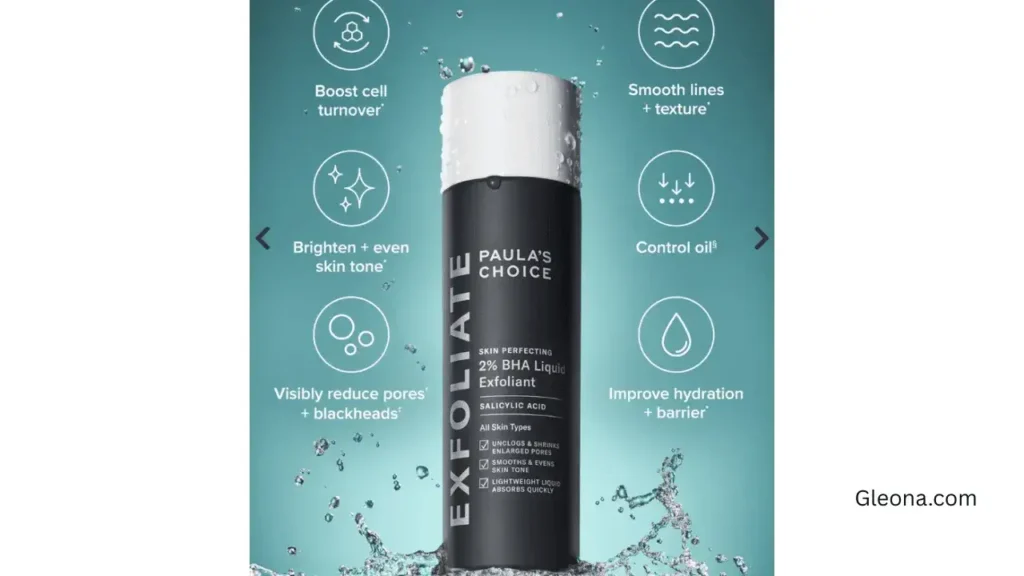
- The Viral Icon:Paula’s Choice Skin Perfecting 2% BHA Liquid Exfoliant * Why: It’s still the gold standard in 2026 for unclogging pores and smoothing “orange peel” texture.
- Frequency: 2–3 times per week.
- The Budget Hero: CeraVe Renewing SA Cleanser * Why: A gentle way to get salicylic acid into your routine without the risk of over-stripping.
2. For Sensitive & Dry Skin (The Gentle Glow)
- The PHA Specialist:Medik8 Press & Glow Daily Exfoliating PHA Tonic * Why: PHAs have larger molecules that don’t sting. This is the ultimate “beginner acid” for a subtle glow.
- Frequency: 1–2 times per week.
- The Luxury Savior: Tata Harper SUPERKIND Radiance Mask * Why: Specifically formulated for reactive skin using self-neutralizing AHAs.
3. For Combination Skin (The Balanced Buff)
- The Hybrid:Tatcha The Rice Polish (Classic or Gentle) * Why: A water-activated powder that lets you control the grit. It’s a “mini-facial” that targets the T-zone while staying creamy on dry cheeks.
- Frequency: 2 times per week.
4. For Targeted Results (Hyperpigmentation & Texture)
- The Overnight “Reset”:Dr. Dennis Gross Alpha Beta Universal Daily Peel * Why: These pre-soaked pads use a two-step system to exfoliate and then immediately neutralize, protecting your barrier.
- Frequency: Start with once a week.
Conclusion
Finding the perfect balance for how often should you exfoliate your skin isn’t a “set it and forget it” task. Your skin is a living organ that changes with the seasons, your stress levels, and even your travel schedule. While the 2–3 times per week rule is a great baseline, the most important skill you can develop is learning to “read” your reflection.
If your skin looks radiant and feels bouncy, you’ve found your sweet spot. If it feels tight or looks unnaturally shiny, it’s time to scale back and focus on hydration. Remember: exfoliation is meant to support your skin’s natural renewal process, not replace it entirely. Consistency and patience will always beat a one-time harsh scrub.
For more Skin Care Tips and Beauty Ideas, Please visit gleona.com.
FAQS: Everything You Need to Know About Exfoliation
1. Can I exfoliate every day if my skin is very oily?
Even for oily skin, daily exfoliation is usually too much. Over-exfoliating can trick your skin into thinking it’s dry, causing it to produce more oil to compensate. Stick to 2–3 times per week with a BHA (Salicylic Acid) to keep pores clear without triggering a grease rebound.
2. Should I exfoliate in the morning or at night?
Nighttime is generally best. Exfoliation removes the top layer of dead skin, making the fresh cells underneath more sensitive to UV rays. By exfoliating at night, you give your skin time to recover and hydrate while you sleep just don’t forget your SPF 30+ the next morning!
3. Is it okay to use a chemical and physical exfoliant together?
Unless you have “iron” skin, it’s a risky move. Using both simultaneously (like a grainy scrub followed by a glycolic toner) can easily lead to a damaged skin barrier. If you love both, try “skin cycling”: use your chemical exfoliant on Monday and your gentle physical scrub on Thursday.
4. How long does it take to see results from exfoliating?
For physical scrubs, the smoothness is instant. For chemical exfoliants (AHAs/BHAs), you’ll notice a glow within a few days, but significant changes in acne, dark spots, or fine lines typically take 4 to 6 weeks, which is the average time it takes for your skin cells to fully turn over.
5. What should I do if I’ve over-exfoliated and my skin is burning?
Stop all actives immediately! Strip your routine back to the basics: a gentle, non-foaming cleanser and a thick moisturizer with ceramides or squalane. Avoid all acids and scrubs for at least 2 weeks until your skin no longer feels tight or sensitive to the touch.