Dark spots, acne marks, and uneven skin tone can be frustrating especially when they seem to linger for months. If you’ve been searching for how to deal with hyperpigmentation naturally, you’re not alone. Many people between 18–35 across the USA are looking for safer, affordable ways to fade dark patches without harsh treatments.
Hyperpigmentation happens when your skin produces excess melanin, often triggered by sun exposure, acne, hormonal changes, or irritation. The good news? With the right natural ingredients, consistent skincare routine, and proper sun protection, you can gradually restore a brighter, more even complexion.
In this guide, you’ll learn how to deal with hyperpigmentation naturally using safe remedies, simple daily routines, and lifestyle tips to fade dark spots effectively. Whether your pigmentation is caused by acne scars, sun damage, or melasma, this step-by-step tutorial will help you build a routine that supports healthier, clearer-looking skin without damaging your skin barrier.
What Is Hyperpigmentation and Why Does It Happen?
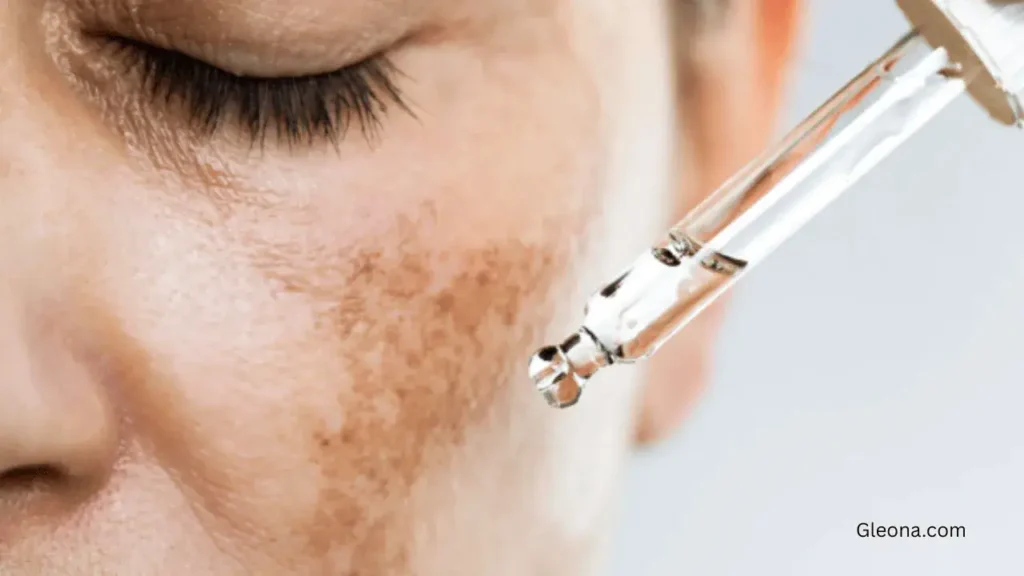
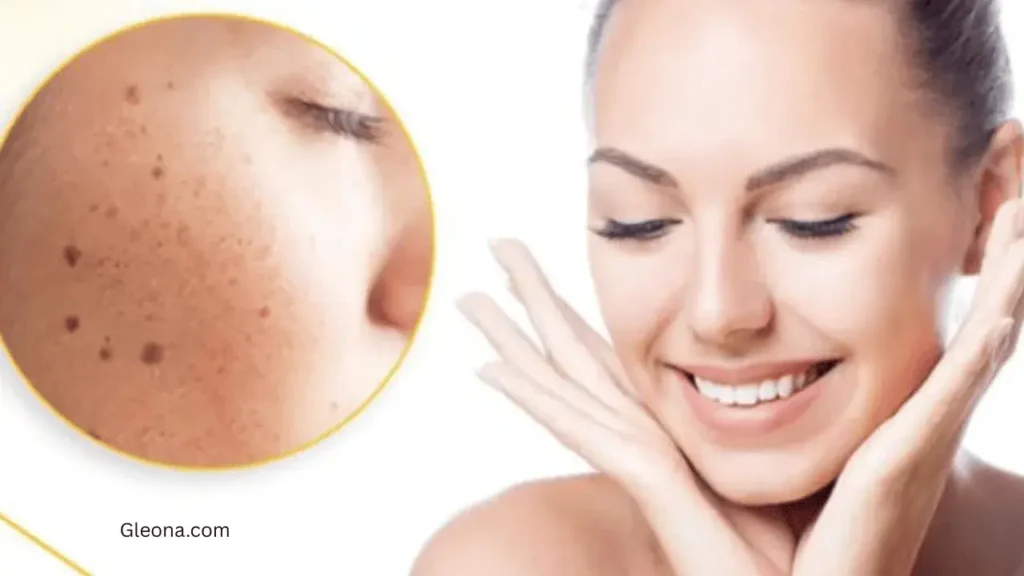
Hyperpigmentation is a common skin condition where certain areas of the skin become darker than the surrounding skin. This happens when your body produces too much melanin, the natural pigment responsible for your skin, hair, and eye color.
It’s not harmful in most cases but it can be stubborn and frustrating, especially when dark spots stick around long after acne or sun exposure.
Why Does Hyperpigmentation Happen?
Your skin produces extra melanin as a protective response. When it experiences stress or damage, it reacts by creating more pigment in that area. Think of it as your skin trying to defend itself.
Here are the most common triggers:
1. Sun Exposure (The #1 Cause)
UV rays stimulate melanin production. The more unprotected sun exposure you get, the more likely you are to develop:
- Sunspots (age spots)
- Uneven skin tone
- Dark patches
Even short daily exposure without SPF can worsen existing pigmentation.
2. Acne and Skin Inflammation
After a pimple heals, it can leave behind a dark mark. This is called Post-Inflammatory Hyperpigmentation (PIH).
It’s especially common in people who:
- Pick or squeeze acne
- Have medium to deeper skin tones
- Experience frequent breakouts
3. Hormonal Changes (Melasma)
Hormonal fluctuations such as during pregnancy, birth control use, or stress can trigger melasma.
This type often appears as symmetrical dark patches on:
- Cheeks
- Forehead
- Upper lip
4. Skin Injuries or Irritation
Cuts, burns, shaving irritation, or aggressive skincare treatments can all stimulate excess melanin production.
Different Types of Hyperpigmentation You Should Know
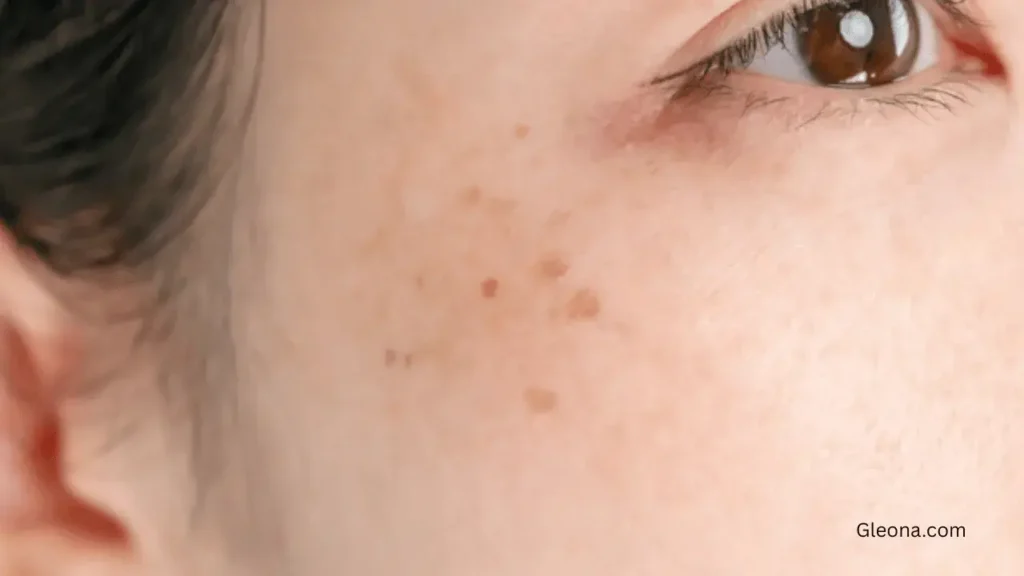
Not all dark spots are the same. If you want to learn how to deal with hyperpigmentation naturally, the first step is identifying which type you’re dealing with. Different causes = slightly different approaches.
Here are the most common types:
1. Post-Inflammatory Hyperpigmentation (PIH)
This is the most common type among people aged 18–35.
PIH appears after your skin heals from:
- Acne breakouts
- Cuts or burns
- Shaving irritation
- Harsh skincare treatments
It usually looks like flat brown, dark brown, or even purplish spots where inflammation once occurred.
Good news: PIH often fades naturally over time with proper sun protection and gentle skincare.
2. Melasma
Melasma shows up as larger, symmetrical patches often on:
- Cheeks
- Forehead
- Upper lip
- Jawline
It’s strongly linked to hormonal changes such as:
- Pregnancy
- Birth control pills
- Hormonal imbalances
Sun exposure makes melasma darker, so daily SPF is critical. Natural treatments can help, but consistency is key.
3. Sunspots (Age Spots or Solar Lentigines)
These are caused by long-term UV exposure.
They usually appear on:
- Face
- Shoulders
- Chest
- Hands
They’re small, darker patches that become more common if you skip sunscreen (even in your 20s and 30s).
4. Freckles (Ephelides)
Freckles are genetic but can darken with sun exposure. Unlike other pigmentation types, freckles are usually harmless and fade in winter.
How to Deal with Hyperpigmentation Naturally (Step-by-Step Guide)

If you’re serious about learning how to deal with hyperpigmentation naturally, consistency is everything. Natural remedies don’t work overnight but when used correctly, they can gradually fade dark spots and improve overall skin tone without damaging your skin barrier.
Follow this simple, beginner-friendly routine.
Step 1: Protect Your Skin from the Sun (Non-Negotiable)
Before trying any remedy, protect your skin.
UV exposure makes hyperpigmentation darker and slows healing. Even the best natural treatments won’t work if you skip sun protection.
What to do:
- Use a broad-spectrum mineral sunscreen (SPF 30 or higher) daily
- Reapply every 2–3 hours if outdoors
- Wear hats and sunglasses
- Avoid peak sun hours (10 AM–4 PM)
Tip: Even cloudy days can worsen pigmentation.
Step 2: Use Natural Ingredients That Help Fade Dark Spots
Certain plant-based ingredients can support melanin balance and reduce inflammation.
Here are some of the most effective options:
Aloe Vera
- Contains aloesin, which may help reduce excess pigmentation
- Apply pure aloe gel at night
Turmeric
- Known for anti-inflammatory properties
- Mix with yogurt or honey for a calming mask (1–2 times per week)
Licorice Root Extract
- Helps brighten uneven skin tone
- Often found in natural serums
Green Tea
- Rich in antioxidants
- Can calm inflammation and support even skin tone
Always patch test before applying new ingredients.
Step 3: Gentle Natural Exfoliation (1-2 Times Weekly)
Exfoliation removes dead skin cells and helps dark spots fade faster.
But be gentle over-exfoliating can worsen hyperpigmentation.
Natural exfoliation options:
- Oatmeal scrub
- Rice powder mixed with water
- Mild fruit enzyme masks
Avoid harsh scrubs or daily exfoliation.
Step 4: Keep Your Skin Barrier Healthy
Healthy skin heals faster.
Use natural moisturizers that lock in hydration without clogging pores:
- Jojoba oil
- Rosehip oil (rich in vitamin A and fatty acids)
- Aloe-based moisturizers
Dry, irritated skin can trigger more pigmentation so hydration matters.
Step 5: Support Your Skin from Within
What you eat affects your skin.
Include:
- Vitamin C–rich foods (oranges, strawberries, bell peppers)
- Leafy greens
- Nuts and seeds (vitamin E)
- Plenty of water
Avoid picking at acne, as this causes new dark spots.
Daily Skincare Routine for Hyperpigmentation (AM & PM)
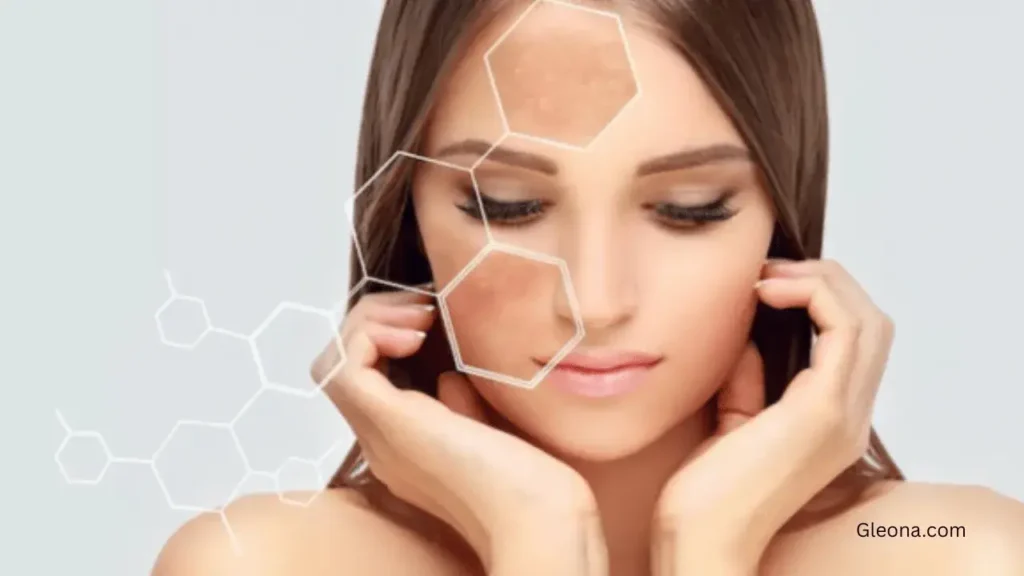
When learning how to deal with hyperpigmentation naturally, your daily routine matters more than occasional treatments. A simple, consistent routine helps fade dark spots while preventing new ones from forming.
Here’s an easy-to-follow morning and night routine designed for busy adults (18–35) who want real results without complicated steps.
Morning Routine (AM)
Your morning routine focuses on protection and prevention.
1. Gentle Cleanser
Use a mild, sulfate-free cleanser to remove oil and sweat without stripping your skin.
Avoid harsh scrubs in the morning
Pat dry don’t rub
2. Natural Brightening Serum
Apply a lightweight serum with ingredients like:
- Vitamin C (natural antioxidant)
- Licorice root extract
- Green tea extract
These help support an even skin tone and protect against environmental stress.
3. Lightweight Moisturizer
Choose a non-comedogenic moisturizer that:
- Supports your skin barrier
- Keeps skin hydrated
- Doesn’t clog pores
Hydrated skin heals pigmentation faster.
4. Mineral Sunscreen (SPF 30 or Higher)
This is the most important step.
Sun exposure makes hyperpigmentation darker and harder to treat. Use:
- Broad-spectrum SPF 30+
- Zinc oxide or titanium dioxide (mineral formulas)
Reapply every 2–3 hours if outdoors.
Skipping sunscreen can undo all your progress.
Night Routine (PM)
Nighttime is when your skin repairs itself. This routine focuses on healing and fading dark spots.
1. Gentle Cleanse
Remove sunscreen, dirt, and makeup thoroughly.
If you wear makeup:
- Use a gentle oil cleanser first
- Follow with a mild face wash
2. Targeted Natural Treatment
Apply one treatment at a time (don’t overload your skin).
Options:
- Aloe vera gel
- Rosehip oil
- Turmeric mask (1–2 times weekly only)
- Natural brightening serum
Consistency matters more than using multiple products.
3. Barrier-Repair Moisturizer
Seal everything in with a nourishing moisturizer.
Look for:
- Ceramides
- Aloe
- Jojoba oil
- Shea butter (if dry skin)
Healthy skin barrier = faster recovery from hyperpigmentation.
Weekly Add-On (1–2 Times Per Week)
Gentle natural exfoliation (oatmeal or rice powder)
Hydrating mask
Avoid over-exfoliating it can worsen dark spots.
Lifestyle Changes That Help Reduce Hyperpigmentation Naturally
If you truly want to master how to deal with hyperpigmentation naturally, skincare alone isn’t enough. Your daily habits, diet, and stress levels all affect melanin production and skin healing.
Small lifestyle changes can make a big difference over time.
1. Prioritize Sun Protection Every Single Day
Even 10–15 minutes of unprotected sun exposure can darken existing spots.
Wear SPF daily (even indoors near windows)
Use sunglasses and wide-brim hats
Avoid peak sun hours (10 AM–4 PM)
Consistent protection prevents pigmentation from becoming darker or permanent.
2. Eat Foods That Support Even Skin Tone
Your skin reflects what you eat. Nutrient-rich foods help reduce inflammation and support natural skin repair.
Focus on:
- Vitamin C (oranges, strawberries, bell peppers)
- Leafy greens (spinach, kale)
- Healthy fats (avocado, nuts, seeds)
- Antioxidants (berries, green tea)
- Plenty of water
These nutrients help support collagen production and balanced melanin levels.
3. Stop Picking or Squeezing Acne
This is one of the biggest causes of post-inflammatory hyperpigmentation (PIH).
Picking:
- Increases inflammation
- Pushes bacteria deeper
- Makes dark marks last longer
If breakouts are common, focus on gentle acne management instead of extraction.
4. Manage Stress Levels
Chronic stress can disrupt hormones, which may trigger melasma and worsen pigmentation.
Try:
- 7–8 hours of sleep
- Light exercise (walking, yoga, gym)
- Meditation or breathing exercises
Balanced hormones = healthier skin tone.
5. Avoid Over-Exfoliating
Many people trying to learn how to deal with hyperpigmentation naturally make the mistake of scrubbing too much.
Over-exfoliating:
- Damages your skin barrier
- Causes inflammation
- Triggers more pigmentation
Stick to gentle exfoliation 1–2 times per week.
6. Choose Gentle Skincare Products
Harsh products containing strong alcohol or aggressive acids can irritate your skin and worsen dark spots.
Instead:
- Use mild cleansers
- Avoid fragrance-heavy products
- Introduce new products slowly
Healthy skin heals pigmentation faster.
How Long Does It Take to See Results Naturally?
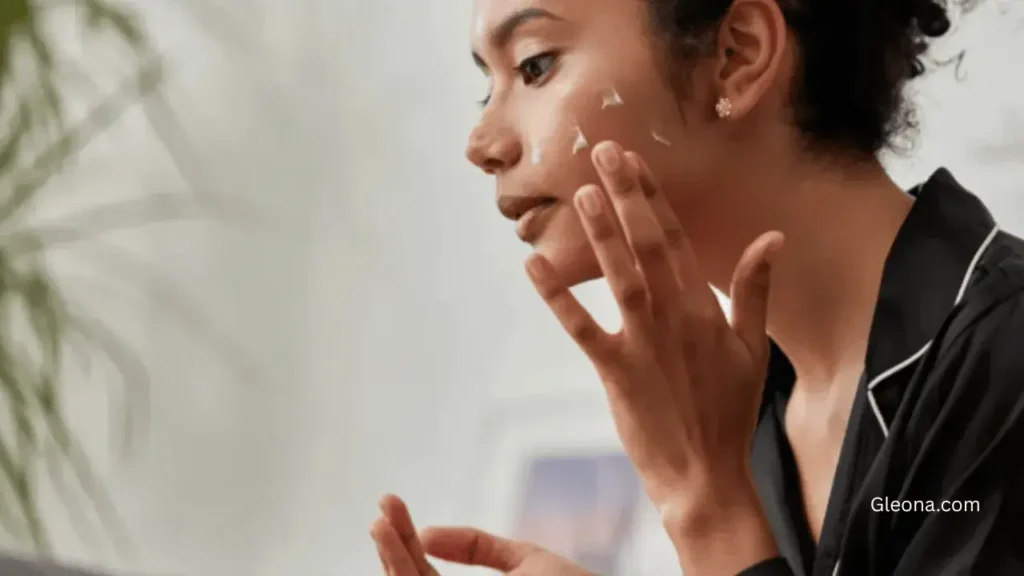
Let’s be real when you’re dealing with dark spots, you want them gone yesterday. But if you’re learning how to deal with hyperpigmentation naturally, patience is part of the process.
Natural treatments work gradually because they support your skin’s healing cycle rather than forcing rapid peeling or bleaching.
Typical Timeline
Here’s what most people (ages 18–35) can expect:
- 2–4 weeks: Skin looks brighter and healthier overall
- 4–8 weeks: Mild dark spots begin to fade
- 8–12 weeks: More noticeable improvement in stubborn pigmentation
Deeper pigmentation like melasma or long-term sunspots may take 3–6 months with consistent care.
Why Results Vary from Person to Person
Several factors affect how fast your hyperpigmentation fades:
Type of pigmentation (acne marks fade faster than melasma)
Skin tone (deeper skin tones may experience longer-lasting PIH)
Sun exposure habits
Consistency of your routine
Hormonal balance
If you skip sunscreen even occasionally you can delay your progress.
What You Should Not Expect
Natural remedies won’t:
- Remove dark spots overnight
- Work without daily sun protection
- Replace medical treatment for severe melasma
They will, however, gradually improve your skin’s tone safely when used consistently.
Common Mistakes to Avoid When Treating Hyperpigmentation Naturally

When you’re trying to figure out how to deal with hyperpigmentation naturally, it’s easy to overdo things. A lot of people accidentally make their dark spots worse without realizing it.
Let’s make sure that’s not you.
1. Skipping Sunscreen
This is the biggest mistake.
You can use aloe, turmeric, vitamin C everything.
But if you’re not wearing SPF daily, your dark spots can:
- Get darker
- Last longer
- Come back after fading
Even quick errands in the sun add up. Daily sunscreen isn’t optional it’s essential.
2. Using Too Many Remedies at Once
Layering 4–5 DIY treatments sounds productive… but it usually leads to:
- Skin irritation
- Barrier damage
- More inflammation
- New pigmentation
Stick to one or two treatments consistently instead of constantly switching products.
3. Over-Exfoliating
Scrubbing harder does not mean fading faster.
Over-exfoliating:
- Weakens your skin barrier
- Causes redness and irritation
- Triggers more melanin production
Limit exfoliation to 1–2 times per week, gently.
4. Picking at Acne or Dark Spots
This one’s tough but important.
Picking:
- Increases inflammation
- Deepens pigmentation
- Extends healing time
Hands off. Let your skin repair itself.
5. Expecting Overnight Results
Natural methods are gradual. If you stop after two weeks because you don’t see dramatic change, you reset your progress.
Most people see noticeable improvement in 8–12 weeks with consistency.
6. Ignoring Your Skin Type
Not every “natural” ingredient works for everyone.
For example:
- Oily skin may react to heavy oils
- Sensitive skin may not tolerate turmeric masks
- Acne-prone skin needs lightweight hydration
Patch test first. Always.
When Natural Remedies May Not Be Enough

Natural methods can absolutely help but sometimes, they’re not the whole solution. If you’ve been consistent for a few months and your dark spots aren’t improving, it may be time to consider additional support.
Knowing when to go beyond natural remedies is part of understanding how to deal with hyperpigmentation naturally the smart way.
1. If Your Hyperpigmentation Is Deep or Long-Standing
Some pigmentation sits deeper in the skin, especially:
- Stubborn melasma
- Years-old sunspots
- Deep acne scarring
Natural ingredients work gradually on surface pigmentation. Deeper discoloration may require dermatologist-guided treatments.
2. If It’s Getting Darker Despite Sunscreen
If you’re wearing SPF daily and your pigmentation still worsens, hormonal or medical factors may be involved.
Melasma, in particular, can be influenced by:
- Birth control
- Pregnancy
- Hormonal imbalances
- Thyroid conditions
A healthcare provider can help identify the root cause.
3. If You Notice Uneven or Changing Spots
Any pigmentation that:
- Changes shape
- Has irregular borders
- Becomes itchy or bleeds
Should be evaluated by a dermatologist to rule out serious skin conditions.
4. Professional Options to Consider
If natural remedies aren’t enough, a dermatologist may suggest:
- Prescription topical treatments
- Chemical peels
- Laser therapy
- Microneedling
These can be combined with a gentle, natural skincare routine for maintenance.
Product recommendations
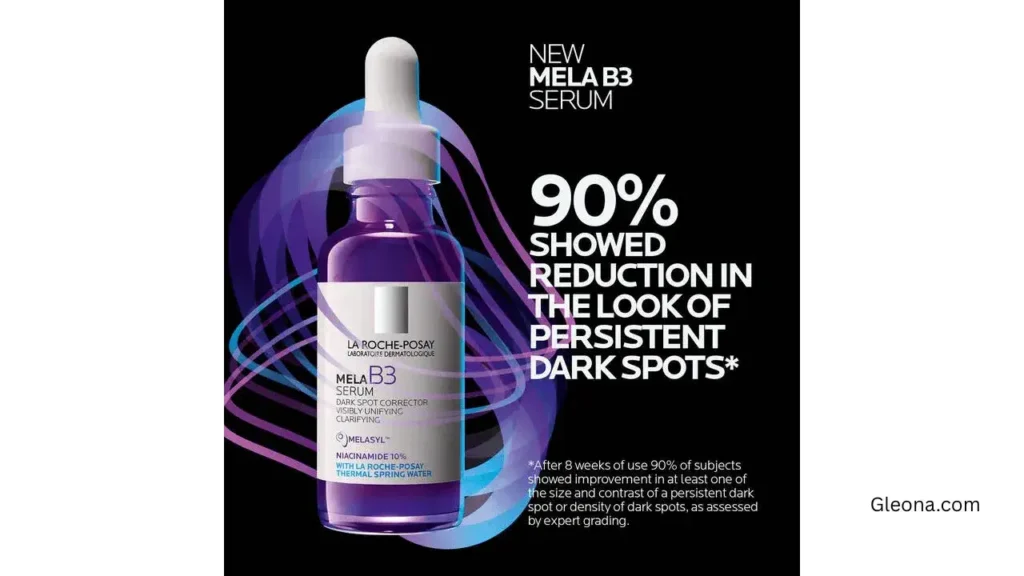
Here are some highly recommended skincare products that can help support your routine for hyperpigmentation, dark spots, and overall skin tone improvement ideal when learning how to deal with hyperpigmentation naturally but want effective, dermatologist‑backed topical options too:
Targeted Treatments for Hyperpigmentation and Dark Spots
La Roche-Posay Mela B3 Dark Spot Serum – A dermatologist‑recommended serum with Melasyl plus niacinamide to help fade dark spots and prevent new pigmentation. Studies and editor picks highlight it as one of the stronger drugstore options for uneven tone.
Ole Henriksen Banana Bright 15% Vitamin C Serum – A popular vitamin C serum with 15% stabilized vitamin C and gentle exfoliating acids that brighten dull skin and help fade hyperpigmentation over time. It’s a crowd‑pleaser in beauty roundups.
Axis‑Y Dark Spot Correcting Glow Serum – Affordable brightening serum with niacinamide and squalane that many users report visibly reducing dark spots and evening out tone (great if you prefer lightweight texture and everyday use).
Topicals Faded Brightening & Clearing Serum – Formulated with azelaic acid, niacinamide, and tranexamic acid to target stubborn pigment like acne marks and melasma gently. A good middle‑range option.
Daily Sun Protection (Essential for Pigmentation)
EltaMD UV Clear Broad‑Spectrum SPF 46 – Highly rated daily facial sunscreen that’s broad spectrum and lightweight excellent for sensitive or acne‑prone skin. Daily SPF use is one of the most important steps to prevent dark spot worsening.
Neutrogena Purescreen+ Mineral UV Tint SPF – Mineral sunscreen with a tint that helps protect against UV rays and blends easily into many skin tones, making daily protection simple and more pleasant.
Conclusion
Hyperpigmentation can be frustrating, but the good news is that natural remedies, consistent routines, and lifestyle changes can make a real difference over time. By understanding your skin type, identifying the cause of your dark spots, and using gentle, effective treatments, you can gradually restore a brighter, more even complexion.
Remember the key steps:
- Protect your skin daily with sunscreen
- Use natural ingredients like aloe vera, turmeric, and licorice root
- Maintain a gentle skincare routine both morning and night
- Support your skin from within with proper nutrition and healthy habits
- Be patient and consistent results usually appear within 4–12 weeks
For stubborn or deep pigmentation, don’t hesitate to consult a dermatologist. Combining professional advice with natural care ensures safer, faster, and long-lasting results.
For more Skin Care Tips and Tricks, Please visit gleona.com.
FAQS
1: What is the fastest natural way to fade hyperpigmentation?
While natural remedies take time, consistent sun protection, aloe vera, turmeric masks, and vitamin C serums are among the most effective. Results usually appear in 4–12 weeks.
2: Can hyperpigmentation go away on its own?
Yes, mild post-inflammatory hyperpigmentation can fade naturally over several months. However, sun exposure, picking at acne, or hormonal changes can slow progress.
3: Which natural ingredients are best for hyperpigmentation?
Aloe vera, turmeric, licorice root, green tea, and vitamin C-rich foods are proven to help fade dark spots gradually without harsh side effects.
4: How often should I apply natural treatments for dark spots?
Most natural remedies can be used daily or 3–5 times per week, depending on your skin sensitivity. Gentle application and patch testing are key to avoid irritation.
5: When should I see a dermatologist instead of relying on natural remedies?
If your hyperpigmentation is deep, worsening despite sun protection, or changes in shape/color, consult a dermatologist. Some cases require prescription creams or professional treatments for faster results.