
Discover the Best Essential Oils for Skin Care and How to Use Them safely for glowing, healthy skin. Learn top oils, benefits, and easy skincare tips for every skin type.
Healthy, glowing skin starts with the right routine, and natural ingredients are becoming more popular than ever. Among them, essential oils stand out as one of the most effective additions to modern skincare. From calming sensitive skin to helping reduce acne and dryness, the Best Essential Oils for Skin Care and How to Use Them can make a noticeable difference when used correctly.
Whether you have oily, dry, combination, or sensitive skin, choosing the right essential oil can help target your specific skin concerns. Oils such as lavender, tea tree, chamomile, and rosemary are widely known for their soothing, antibacterial, and skin-rejuvenating properties. However, knowing how to use them safely is just as important as choosing the right one.
In this guide, you will learn the Best Essential Oils for Skin Care and How to Use Them step by step, including the benefits of each oil, the correct way to apply them, and common mistakes to avoid. By the end, you’ll have a simple and effective routine to help your skin look fresh, clear, and naturally radiant.
What Are Essential Oils in Skincare?
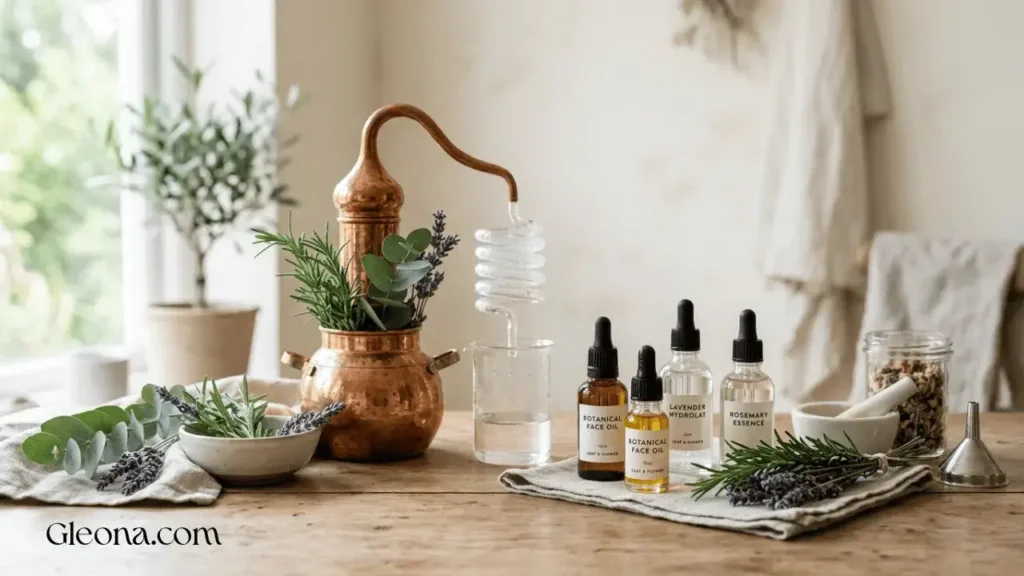
Essential oils are highly concentrated plant extracts that capture the natural fragrance and beneficial compounds of flowers, leaves, roots, seeds, and peels. These oils are usually obtained through methods such as steam distillation or cold pressing, which help preserve their active ingredients.
In skincare, essential oils are used to support different skin concerns such as acne, dryness, dullness, irritation, and uneven skin tone. Because they contain natural antibacterial, anti-inflammatory, and soothing properties, many people include them in their daily skincare routine to help improve overall skin health.
Different essential oils offer different benefits. For example, tea tree oil is commonly used for acne-prone skin because of its antibacterial properties, while lavender oil is known for calming redness and soothing sensitive skin. Chamomile oil helps reduce irritation, and rosemary oil is often used for its anti-aging and skin-refreshing benefits.
However, essential oils are very potent and should not usually be applied directly to the skin without dilution. They are best mixed with carrier oils such as jojoba oil, coconut oil, or almond oil before use. This helps reduce the risk of irritation while allowing the skin to absorb the benefits safely.
When used correctly, the Best Essential Oils for Skin Care and How to Use Them can become an effective part of a natural skincare routine for both men and women.
Best Essential Oils for Skin Care and How to Use Them
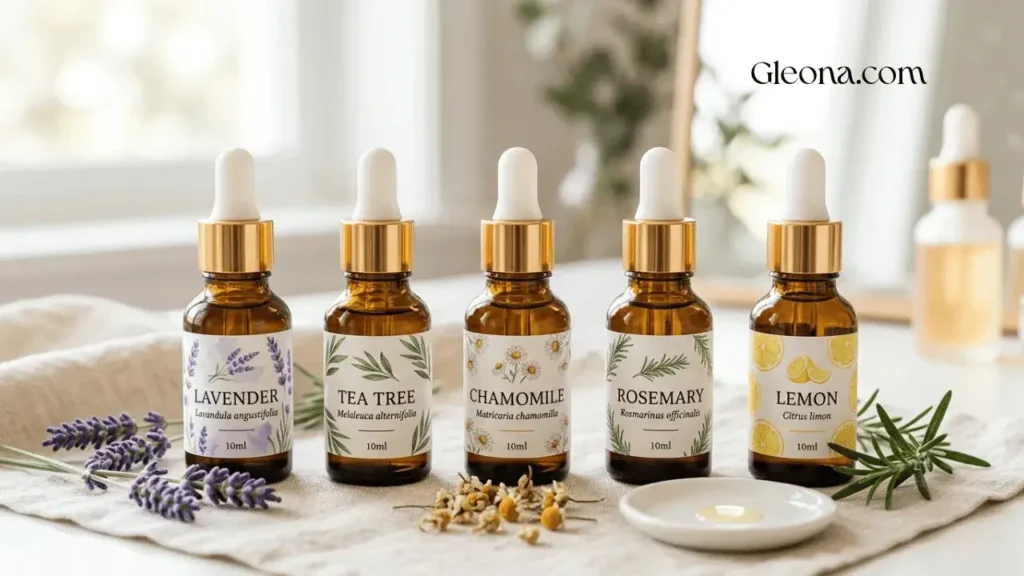
Choosing the right essential oil depends on your skin type and the specific concern you want to treat. Some oils work best for acne and oily skin, while others are more suitable for dryness, sensitivity, or anti-aging care. Below are some of the best essential oils for skin care and how to use them safely in your daily routine.
Lavender Essential Oil
Lavender essential oil is one of the most popular choices in skincare because of its calming and anti-inflammatory properties. It helps reduce redness, soothe irritation, and support acne-prone skin.
How to Use Lavender Essential Oil
Mix 2–3 drops with 1 teaspoon of jojoba oil or almond oil and apply gently as a night serum after cleansing.
Tea Tree Essential Oil
Tea tree oil is widely used for oily and acne-prone skin. Its antibacterial properties may help reduce acne-causing bacteria and calm active breakouts.
How to Use Tea Tree Essential Oil
Dilute 1 drop with a carrier oil or aloe vera gel and apply only as a spot treatment on pimples.
Chamomile Essential Oil
Chamomile oil is ideal for dry, sensitive, or irritated skin. It helps calm inflammation and gives the skin a soft, nourished feel.
How to Use Chamomile Essential Oil
Blend 2 drops with coconut oil or sweet almond oil and apply before bedtime 2–3 times per week.
Rosemary Essential Oil
Rosemary essential oil is often used for anti-aging benefits. It may help improve circulation and make the skin look fresher and more energized.
How to Use Rosemary Essential Oil
Add 1–2 drops to your moisturizer or facial oil and use in your evening skincare routine.
Lemon Essential Oil
Lemon oil is commonly used for brightening dull skin and reducing the appearance of dark spots. Since citrus oils can be photosensitive, extra care is needed.
How to Use Lemon Essential Oil
Always dilute with a carrier oil and use only at night. Avoid direct sun exposure after application.
Rose Essential Oil
Rose oil is excellent for hydration and improving skin softness. It is often recommended for dry or mature skin types.
How to Use Rose Essential Oil
Mix a few drops with a fragrance-free moisturizer and apply as the final step in your nighttime routine.
How to Use Essential Oils Safely in Your Skincare Routine
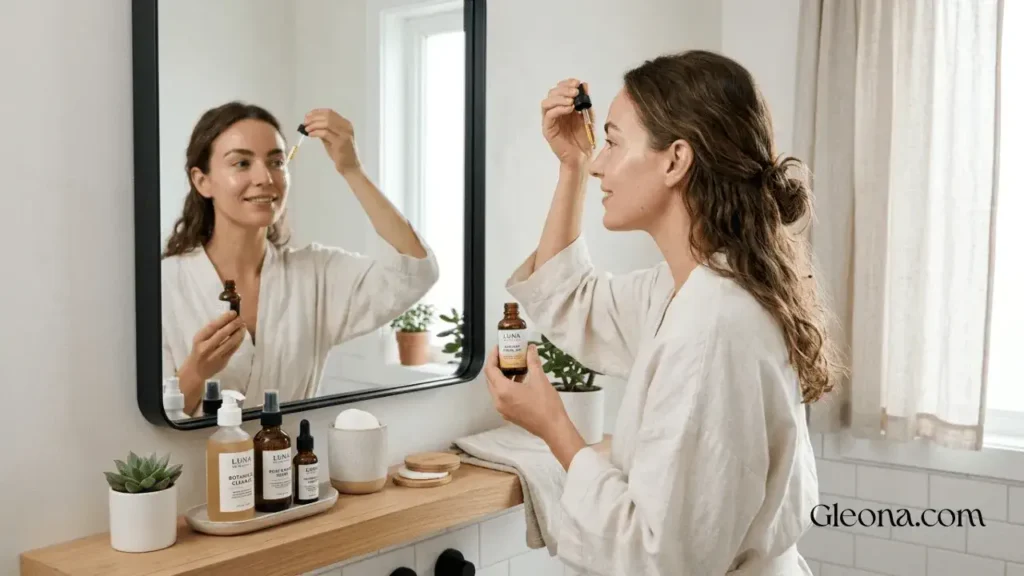
Essential oils can offer amazing skincare benefits, but because they are highly concentrated, using them the right way is very important. Following safe application steps helps prevent irritation, redness, and breakouts while allowing your skin to get the full benefits.
Step 1: Choose the Right Essential Oil for Your Skin Type
Before applying any oil, first identify your skin type and main concern.
Best Oils by Skin Type
- Oily / Acne-Prone Skin: Tea tree oil, rosemary oil
- Dry Skin: Rose oil, chamomile oil
- Sensitive Skin: Lavender oil, chamomile oil
- Dull / Uneven Skin: Lemon oil, rose oil
Choosing the right oil makes your skincare routine more effective.
Step 2: Always Dilute with a Carrier Oil
Never apply essential oils directly to your face unless the product instructions specifically allow it. Essential oils should be mixed with a carrier oil to reduce strength and protect your skin barrier.
Recommended Carrier Oils
- Jojoba oil
- Sweet almond oil
- Coconut oil
- Argan oil
Safe Mixing Ratio
A good beginner ratio is 2–3 drops of essential oil per 1 teaspoon of carrier oil.
Step 3: Do a Patch Test First
Before using a new oil on your face, test it on a small area of skin.
How to Patch Test
Apply a small amount behind your ear or on your wrist and wait 24 hours.
If there is no redness, itching, or burning, it is generally safe to use.
Step 4: Apply in the Correct Order
Essential oils should be used after cleansing and before your moisturizer.
Suggested Routine Order
- Cleanser
- Toner
- Diluted essential oil blend
- Moisturizer
- Sunscreen (morning only)
This order helps the skin absorb the active ingredients properly.
Step 5: Use Only 2–3 Times Per Week
Using essential oils every day may irritate the skin, especially if you have sensitive skin.
For most people, 2 to 3 times per week is enough to see results without overloading the skin.
Step 6: Avoid Sun Exposure After Citrus Oils
If you use lemon or other citrus-based oils, apply them only at night. These oils can make your skin more sensitive to sunlight.
Always wear sunscreen during the day.
Common Mistakes to Avoid When Using Essential Oils
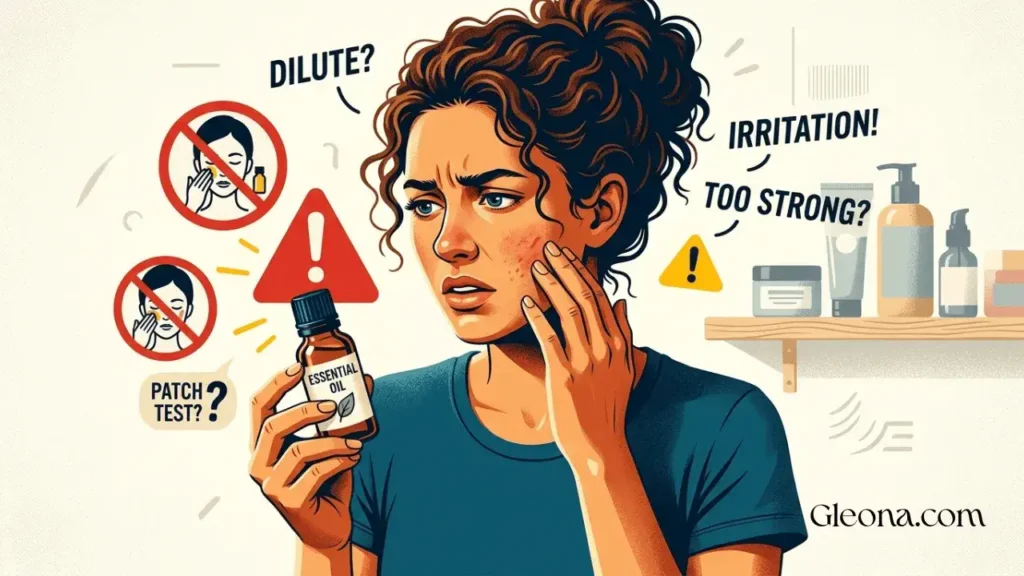
Essential oils can be highly effective in a skincare routine, but using them incorrectly may lead to irritation, breakouts, or skin damage. Avoiding these common mistakes will help you get the best results safely.
Applying Essential Oils Directly to the Skin
One of the biggest mistakes is applying essential oils straight to the face without dilution. Because they are highly concentrated plant extracts, direct use may cause burning, redness, dryness, or allergic reactions.
What to Do Instead
Always mix 2–3 drops of essential oil with 1 teaspoon of a carrier oil such as jojoba oil, almond oil, or coconut oil before applying.
Skipping the Patch Test
Many people start using a new essential oil without testing it first. Even natural oils can cause sensitivity depending on your skin type.
Safe Practice
Do a patch test on your wrist or behind the ear and wait 24 hours before using it on your face.
Using Too Much Product
Using more drops does not mean faster results. Overusing essential oils may weaken the skin barrier and cause breakouts.
Recommended Amount
For facial use, 2–3 drops per application is usually enough.
Using Citrus Oils During the Day
Oils such as lemon, orange, or bergamot can make your skin more sensitive to sunlight. This may increase the risk of irritation or dark spots.
Best Practice
Use citrus oils only in your nighttime skincare routine and wear sunscreen the next morning.
Mixing Too Many Oils Together
Combining several essential oils at once can overwhelm the skin and make it difficult to identify which ingredient is causing irritation.
Better Approach
Start with one essential oil at a time and observe how your skin responds.
Using Essential Oils Too Frequently
Daily use may not suit every skin type, especially sensitive skin.
Recommended Frequency
Use essential oils 2 to 3 times per week unless advised otherwise by a skincare professional.
DIY Essential Oil Skincare Recipes
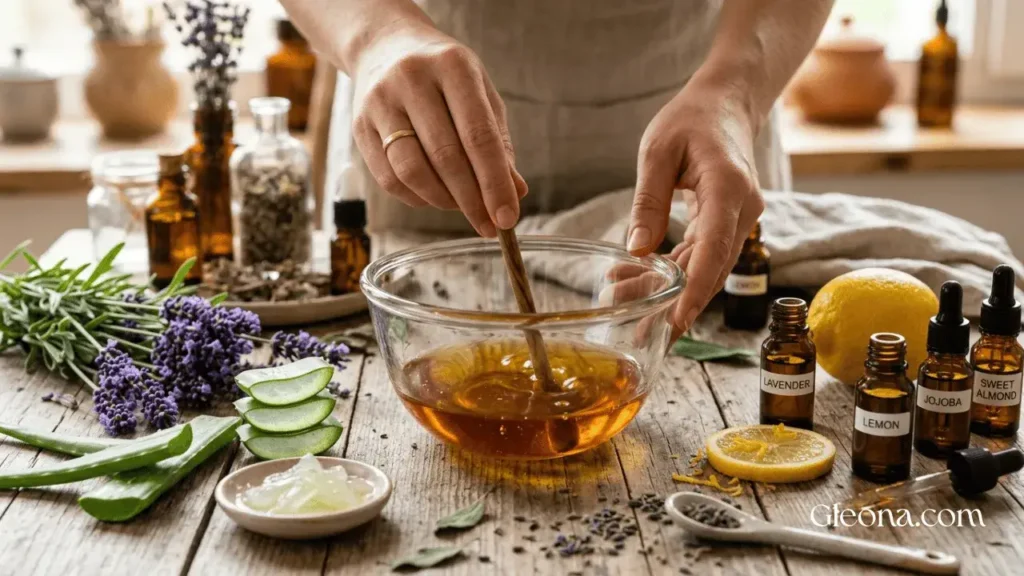
If you love natural skincare, these simple DIY recipes can help you use essential oils safely at home. Always use clean tools, store your blends in a small glass bottle or airtight container, and do a patch test before applying to your face.
Glow Boost Face Serum
This serum helps hydrate the skin and gives a soft, healthy glow.
Ingredients
- 1 tablespoon jojoba oil
- 2 drops lavender essential oil
- 1 drop rose essential oil
- 1 drop chamomile essential oil
How to Make
Add all ingredients into a small dropper bottle and shake gently to mix.
How to Use
Apply 2–3 drops to clean skin at night before moisturizer.
Best For
Dry, dull, and sensitive skin
Acne Spot Treatment Blend
This DIY recipe is ideal for acne-prone or oily skin.
Ingredients
- 1 teaspoon aloe vera gel
- 1 drop tea tree essential oil
- 1 drop lavender essential oil
How to Make
Mix the ingredients in a clean small bowl until smooth.
How to Use
Apply a small amount directly on acne spots before bed.
Best For
Pimples, redness, and oily skin
Soothing Night Repair Oil
A calming overnight blend for irritated or tired-looking skin.
Ingredients
- 1 tablespoon sweet almond oil
- 2 drops chamomile essential oil
- 1 drop lavender essential oil
How to Make
Mix well in a glass bottle.
How to Use
Massage gently into the face and neck before sleep.
Best For
Sensitive, dry, or irritated skin
Brightening Dark Spot Blend
A simple blend that may help improve the look of uneven skin tone.
Ingredients
- 1 tablespoon jojoba oil
- 1 drop lemon essential oil
- 1 drop rose essential oil
How to Make
Combine in a small dropper bottle and shake lightly.
How to Use
Use only at night on dark spots or dull areas.
Important Note
Do not use during the daytime because lemon oil may increase sun sensitivity.
Weekly Relaxing Face Massage Oil
Perfect for self-care nights and stress relief.
Ingredients
- 1 tablespoon argan oil
- 2 drops lavender essential oil
- 1 drop rosemary essential oil
How to Use
Massage gently into the skin for 3–5 minutes after cleansing.
Best For
All skin types
External Trusted Sources
For more reliable information about skincare and the safe use of essential oils, refer to these trusted sources:
- American Academy of Dermatology
One of the most trusted dermatology organizations in the U.S., offering expert-backed skincare advice and safety guidelines. - Mayo Clinic
Provides medically reviewed information on skin health, conditions, and safe use of natural remedies. - National Center for Complementary and Integrative Health
A U.S. government research center that offers evidence-based insights on essential oils and alternative medicine.
Conclusion
Adding essential oils to your skincare routine can be a simple and natural way to support healthier-looking skin. From calming sensitive skin with lavender to targeting acne with tea tree oil, choosing the best essential oils for skin care and how to use them correctly can help improve your overall skin routine.
The key is to always use them safely by diluting with a carrier oil, doing a patch test first, and selecting oils that match your skin type. Small, consistent use often gives better results than overusing multiple products at once.
Whether you want a natural glow, fewer breakouts, or a soothing nighttime ritual, essential oils can become a valuable part of your skincare routine when used the right way.
Start with one oil, observe how your skin responds, and build a routine that works best for you. Healthy skin is all about consistency, patience, and using the right ingredients.
For more Skin Care Tips and Beauty Ideas, Please visit gleona.com.
Frequently Asked Questions (FAQs)
1. Which essential oil is best for acne-prone skin?
Tea tree essential oil is one of the best options for acne-prone skin because of its antibacterial and anti-inflammatory properties. It may help reduce pimples, redness, and excess oil when diluted properly.
2. Can I apply essential oils directly to my face?
No, most essential oils should not be applied directly to the face. They are highly concentrated and may cause irritation or redness. Always mix them with a carrier oil such as jojoba oil, almond oil, or coconut oil before use.
3. How often should I use essential oils in my skincare routine?
For most skin types, using essential oils 2 to 3 times per week is recommended. Overusing them daily may lead to dryness or sensitivity, especially for delicate skin.
4. Which carrier oil is best for mixing with essential oils?
Jojoba oil is one of the best carrier oils because it is lightweight, non-greasy, and suitable for most skin types. Sweet almond oil and argan oil are also excellent choices.
5. Are essential oils safe for sensitive skin?
Yes, some essential oils such as lavender and chamomile are generally suitable for sensitive skin when properly diluted. However, always perform a patch test before full use to avoid irritation.