
Managing Sensitive Skin During Allergy Season? Discover simple, effective tips to reduce irritation, calm redness, and protect your skin from seasonal triggers.
Allergy season can be especially challenging if you have sensitive skin. Increased pollen levels, dust, and changing weather conditions can weaken your skin barrier, leading to redness, dryness, itching, and unexpected breakouts.
If your skin feels more reactive than usual, you’re not alone. Many people struggle with flare-ups during this time due to environmental allergens and the use of unsuitable skincare products.
In this guide to Managing Sensitive Skin During Allergy Season, you’ll learn practical, easy-to-follow strategies to soothe irritation, identify triggers, and build a gentle skincare routine that keeps your skin calm, balanced, and healthy throughout the season.
What Happens to Sensitive Skin During Allergy Season?

During allergy season, your skin becomes more reactive because it’s exposed to higher levels of environmental triggers like pollen, dust, mold, and pollution. If you already have sensitive skin, your skin barrier (the protective outer layer) can weaken more easily, making it harder to retain moisture and defend against irritants.
When allergens come into contact with your skin, your immune system may overreact. This response releases histamines, which can lead to inflammation and discomfort on the skin’s surface. As a result, your skin may feel more irritated than usual even if your routine hasn’t changed.
Common Symptoms to Watch For
- Redness and inflammation
- Dry, flaky, or rough patches
- Itching or burning sensations
- Increased sensitivity to skincare products
- Occasional breakouts or rashes
Why It Gets Worse During This Season
- Pollen buildup on your skin throughout the day
- Weather changes (wind, heat, or dryness) that strip moisture
- Frequent face touching or wiping, spreading allergens
- Using harsh products that further damage your skin barrier
Identify Your Skin Triggers
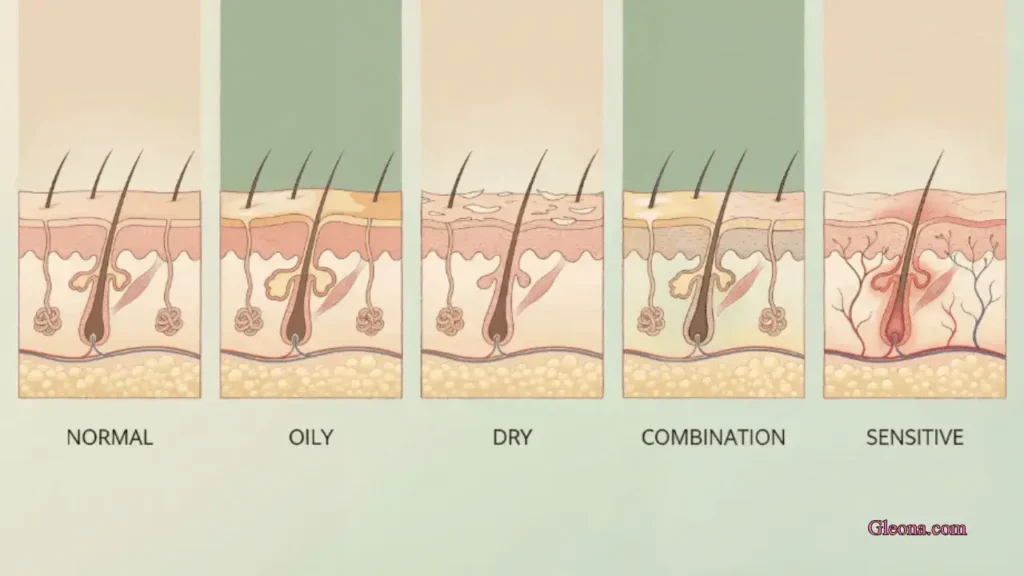
If you want to succeed at Managing Sensitive Skin During Allergy Season, the first step is figuring out exactly what’s irritating your skin. Everyone’s triggers are different, so what works for someone else might not work for you.
Sensitive skin tends to react quickly when exposed to allergens or harsh ingredients, so identifying patterns can help you prevent flare-ups before they start.
Common Allergy Triggers for Skin
During allergy season, these are the usual suspects:
- Pollen – Sticks to your skin and causes itching or redness
- Dust mites – Common indoors, especially in bedding and fabrics
- Mold spores – Thrive in humid environments
- Pollution – Weakens your skin barrier over time
- Harsh skincare products – Fragrances, alcohol, and strong actives
How to Track Your Skin Reactions
You don’t need anything fancy just a little consistency:
- Keep a simple skincare diary
Note what products you use and how your skin feels each day - Watch for timing patterns
Did irritation start after going outside? Trying a new product? - Eliminate one product at a time
This helps you pinpoint exactly what’s causing the reaction - Pay attention to weather changes
Windy or high-pollen days often trigger flare-ups
Daily Skincare Routine for Managing Sensitive Skin During Allergy Season (Tutorial Section)Daily

When it comes to Managing Sensitive Skin During Allergy Season, consistency and simplicity are key. A gentle, barrier-focused routine helps reduce irritation, lock in moisture, and protect your skin from environmental triggers.
Follow this easy step-by-step routine:
Step 1 – Gentle Cleansing (Morning & Night)
Start with a mild, fragrance-free cleanser to remove dirt, oil, and allergens like pollen without stripping your skin.
Tips:
- Use lukewarm water (not hot)
- Avoid foaming or harsh cleansers
- Pat your skin dry instead of rubbing
Step 2 – Hydrating Toner or Mist
After cleansing, apply a soothing, alcohol-free toner or facial mist to calm and hydrate your skin.
Look for:
- Rose water
- Chamomile
- Glycerin
This step helps prepare your skin for better absorption of moisture.
Step 3 – Apply a Barrier-Repair Serum (Optional but Recommended)
A lightweight serum can strengthen your skin and reduce sensitivity.
Best ingredients:
- Niacinamide
- Hyaluronic acid
- Ceramides
Keep it simple and avoid layering too many active ingredients.
Step 4 – Moisturize to Lock in Hydration
Moisturizing is essential for protecting your skin barrier during allergy season.
Choose a moisturizer that:
- Is fragrance-free
- Contains soothing ingredients such as aloe or oat extract
- Feels lightweight but hydrating
Apply while your skin is slightly damp for better results.
Step 5 – Sunscreen is Non-Negotiable (Morning Only)
Even during allergy season, sun protection is crucial. UV rays can worsen irritation and sensitivity.
Go for:
- Mineral sunscreens (zinc oxide or titanium dioxide)
- SPF 30 or higher
- Formulas designed for sensitive skin
Night Routine Tip
At night, keep it simple:
- Cleanse
- Apply serum (if needed)
- Moisturize
This allows your skin to recover and repair overnight.
Extra Tips for Better Results
- Avoid over-exfoliating; limit to once a week or skip if your skin is irritated
- Do not introduce too many new products at once
- Wash your face after spending time outdoors to remove allergens
Best Ingredients for Sensitive Skin in Allergy Season
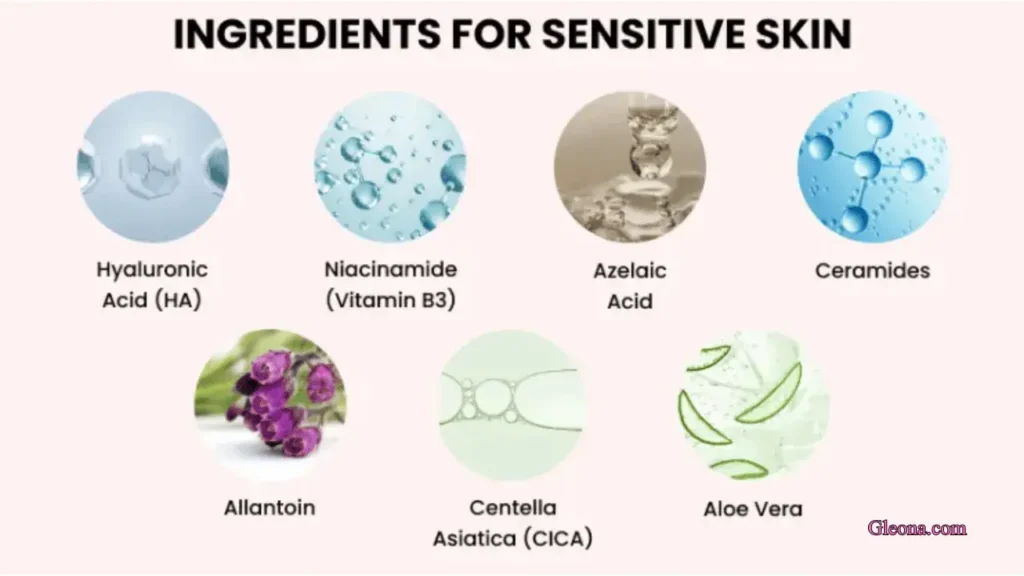
Choosing the right ingredients is crucial when Managing Sensitive Skin During Allergy Season. The goal is simple: calm inflammation, strengthen your skin barrier, and lock in hydration without triggering irritation.
Here are the most effective, dermatologist-recommended ingredients to look for:
Ingredients to Look For (Soothing & Protective)
1. Hyaluronic Acid
- Deeply hydrates by holding water in the skin
- Lightweight and non-irritating
- Perfect for all skin types, including acne-prone skin
2. Ceramides
- Help repair and strengthen your skin barrier
- Prevent moisture loss and protect against allergens
- Essential during high-pollen seasons
3. Niacinamide (Vitamin B3)
- Reduces redness and inflammation
- Improves skin barrier function
- Helps balance oil production
4. Colloidal Oatmeal
- Soothes itching and irritation
- Forms a protective layer on the skin
- Commonly used for eczema and allergy-prone skin
5. Aloe Vera
- Naturally calming and cooling
- Reduces redness and sensitivity
- Ideal for irritated or inflamed skin
6. Glycerin
- A gentle humectant that draws moisture into the skin
- Helps maintain hydration without clogging pores
7. Squalane
- Lightweight oil that mimics your skin’s natural oils
- Locks in moisture without feeling greasy
- Helps restore softness and elasticity
8. Panthenol (Vitamin B5)
- Deeply soothing and healing
- Helps repair damaged or irritated skin
- Often used in barrier-repair creams
9. Centella Asiatica (Cica)
- Known for calming inflammation and redness
- Supports skin healing and repair
- Popular in sensitive skin formulations
Bonus: Emerging “Hero” Ingredient
- Hypochlorous Acid (HOCl) – Helps calm irritation and fight bacteria without damaging the skin barrier, making it ideal for sensitive skin flare-ups
Ingredients to Avoid During Allergy Season
Even good routines can fail if these are present:
- Fragrance (parfum)
- Alcohol (especially denatured alcohol)
- Strong exfoliating acids (AHAs/BHAs in high concentrations)
- Essential oils (can trigger reactions)
- Harsh preservatives or dyes
Quick Tip
When shopping, look for labels like:
- “Fragrance-free”
- “Hypoallergenic”
- “Dermatologist-tested”
These reduce the risk of irritation during allergy season.
Lifestyle Tips to Protect Sensitive Skin

When it comes to Managing Sensitive Skin During Allergy Season, your daily habits matter just as much as your skincare products. Small lifestyle changes can significantly reduce irritation and help keep your skin calm and balanced.
Keep Your Environment Clean
Allergens can easily build up in your surroundings and transfer to your skin.
What to do:
- Wash pillowcases and bedsheets 1–2 times a week
- Vacuum carpets and furniture regularly
- Use an air purifier to reduce pollen and dust indoors
- Keep windows closed on high-pollen days
Shower After Outdoor Exposure
Pollen and pollution stick to your skin, hair, and clothes.
Tip:
- Take a quick shower and cleanse your face after spending time outside
- Change clothes to avoid spreading allergens indoors
Stay Hydrated
Hydration plays a key role in maintaining a healthy skin barrier.
Aim for:
- At least 6–8 glasses of water daily
- Hydrating foods like cucumbers, watermelon, and oranges
Eat Skin-Friendly Foods
Your diet can help reduce inflammation and support skin health.
Include:
- Omega-3 rich foods (fish, flaxseeds, walnuts)
- Antioxidant-rich fruits and vegetables (berries, spinach)
- Foods high in vitamin E and C
Avoid Touching Your Face Frequently
Your hands carry dirt, oil, and allergens that can trigger irritation.
Tip:
- Be mindful of face-touching habits
- Clean your phone screen regularly
Manage Stress Levels
Stress can weaken your skin barrier and worsen sensitivity.
Try:
- Light exercise
- Meditation or deep breathing
- Getting enough sleep (7–8 hours)
Choose Skin-Friendly Fabrics
What you wear can affect your skin, especially during allergy season.
Best options:
- Soft, breathable fabrics like cotton
- Avoid rough or synthetic materials that cause friction
Be Careful with Makeup
Heavy or harsh makeup can clog pores and irritate sensitive skin.
Tips:
- Use minimal, non-comedogenic products
- Always remove makeup before bed
- Clean brushes regularly
Quick Remedies for Allergy Flare-Ups

Even with a careful skincare routine, allergy season can still trigger sudden flare-ups. The key to Managing Sensitive Skin During Allergy Season is knowing quick, effective remedies that calm irritation, reduce redness, and restore comfort fast.
1. Cold Compress for Instant Relief
- Apply a clean, cold cloth or ice pack (wrapped in a towel) to affected areas for 5–10 minutes.
- Reduces redness, swelling, and itching immediately.
- Especially helpful for sudden flare-ups around the eyes or cheeks.
2. Use Soothing Masks
- Opt for masks with calming ingredients like aloe vera, oatmeal, or chamomile.
- Leave on for 10–15 minutes to hydrate and calm inflamed skin.
- Avoid masks with fragrances, acids, or harsh exfoliants during flare-ups.
3. Switch to a Minimal Skincare Routine
- Temporarily stop using active ingredients like retinoids, strong acids, or exfoliants.
- Stick to: gentle cleanser → moisturizer → sunscreen (if daytime).
- Let your skin recover before reintroducing other products.
4. Anti-Itch Creams or Ointments (Optional)
- Use hypoallergenic, fragrance-free creams with soothing ingredients like hydrocortisone (low strength) or colloidal oatmeal.
- Apply sparingly and only on affected areas.
5. Stay Hydrated
- Drink water to keep your skin hydrated from the inside out.
- Moisturized skin recovers faster and is less reactive to allergens.
6. Keep Allergens Away
- Wash your hands and face after coming indoors
- Avoid touching your face frequently
- Change clothing if you’ve been outdoors in high pollen areas
Pro Tip
If flare-ups persist or worsen, consider consulting a dermatologist. Persistent redness, swelling, or irritation may require prescription treatments.
When to See a Dermatologist

While most cases can be managed at home, there are times when Managing Sensitive Skin During Allergy Season requires professional help. If your symptoms go beyond mild irritation or don’t improve with a gentle routine, it’s best to consult a dermatologist.
Signs You Shouldn’t Ignore
1. Persistent Redness or Irritation
- Redness that lasts for several days or keeps coming back
- Skin feels constantly inflamed or sensitive
2. Severe Itching or Burning
- Intense discomfort that interferes with daily activities or sleep
- Over-the-counter products don’t provide relief
3. Rashes or Swelling
- Unusual rashes, hives, or swelling on the face or body
- Could indicate an allergic reaction that needs medical attention
4. Skin Cracking, Bleeding, or Infection
- Dry patches that crack or bleed
- Signs of infection like pus, pain, or warmth
5. Sudden Reaction to Products
- Skin reacts badly to products you’ve used before without issues
- Could signal increased sensitivity or a new allergy
What a Dermatologist Can Do
- Identify specific allergens or skin conditions
- Recommend prescription treatments (creams, antihistamines)
- Help you build a personalized skincare routine
- Perform allergy or patch testing if needed
Product Recommendations

Gentle Cleansers
- Non-foaming, fragrance-free formulas
- Help remove allergens without stripping the skin
- Ideal for daily use (morning & night)
Moisturizers (Barrier Repair Focus)
- These support the skin barrier with ceramides and soothing ingredients
- Fragrance-free formulas reduce irritation risk
- Provide long-lasting hydration for sensitive skin
Sunscreens (Sensitive Skin Safe)
- Mineral-based (zinc oxide/titanium dioxide)
- Less likely to cause irritation compared to chemical sunscreens
- Essential for protecting already sensitive skin
Soothing Treatments (For Flare-Ups)
- La Roche-Posay Cicaplast Baume B5 – great for calming irritated skin
- Avene Cicalfate Restorative Protective Cream – helps repair damaged skin
- First Aid Beauty Ultra Repair Cream – intense hydration for dry, reactive skin
These are especially helpful when your skin is red, itchy, or inflamed.
Conclusion
Managing sensitive skin during allergy season doesn’t have to feel overwhelming. With the right approach, you can reduce irritation, protect your skin barrier, and keep your skin looking healthy even when allergens are at their peak.
By understanding your triggers, following a gentle daily routine, choosing soothing ingredients, and adopting skin-friendly lifestyle habits, you create a strong defense against seasonal flare-ups. Small, consistent changes can make a big difference in how your skin reacts.
Remember, Managing Sensitive Skin During Allergy Season is all about simplicity and consistency. Listen to your skin, avoid harsh products, and focus on keeping your routine calm and minimal.
For more Skin Care Tips and Beauty Ideas, Please visit gleona.com.
FAQs
1. Why does my skin get more sensitive during allergy season?
During allergy season, your skin is exposed to higher levels of allergens like pollen, dust, and pollution. These can weaken your skin barrier and trigger inflammation, leading to redness, itching, and irritation.
2. How can I calm irritated skin quickly?
You can calm your skin by using a cold compress, applying soothing ingredients like aloe vera or colloidal oatmeal, and switching to a minimal skincare routine until your skin recovers.
3. What type of cleanser is best for sensitive skin during allergy season?
A gentle, fragrance-free, and sulfate-free cleanser is best. Look for products labeled “hypoallergenic” or “for sensitive skin” to avoid further irritation.
4. Should I stop using active ingredients during allergy season?
If your skin becomes irritated, it’s best to reduce or pause strong active ingredients like retinoids, AHAs, or BHAs. Focus on hydration and barrier repair instead.
5. Can diet affect sensitive skin during allergy season?
Yes, your diet plays a role. Eating anti-inflammatory foods like fruits, vegetables, and omega-3-rich foods can help support your skin and reduce sensitivity.