
Rosacea is a common skin condition that causes persistent redness, flushing, and sometimes small bumps on the face. It often affects areas like the cheeks, nose, chin, and forehead, making skin appear irritated or inflamed. For many young adults, finding the right skincare routine can be challenging because certain products, environmental factors, or lifestyle habits may trigger flare-ups.
The good news is that there are several Treatment Options for Rosacea Skin Care that can help calm the skin, reduce redness, and improve overall skin health. From dermatologist-prescribed medications to gentle skincare routines and lifestyle adjustments, the right combination of treatments can make a significant difference.
In this guide, you’ll learn about effective rosacea treatments, practical skincare routines, and helpful tips that can help manage symptoms and keep your skin looking healthier and more balanced.
Understanding Rosacea and Why Proper Treatment Matters
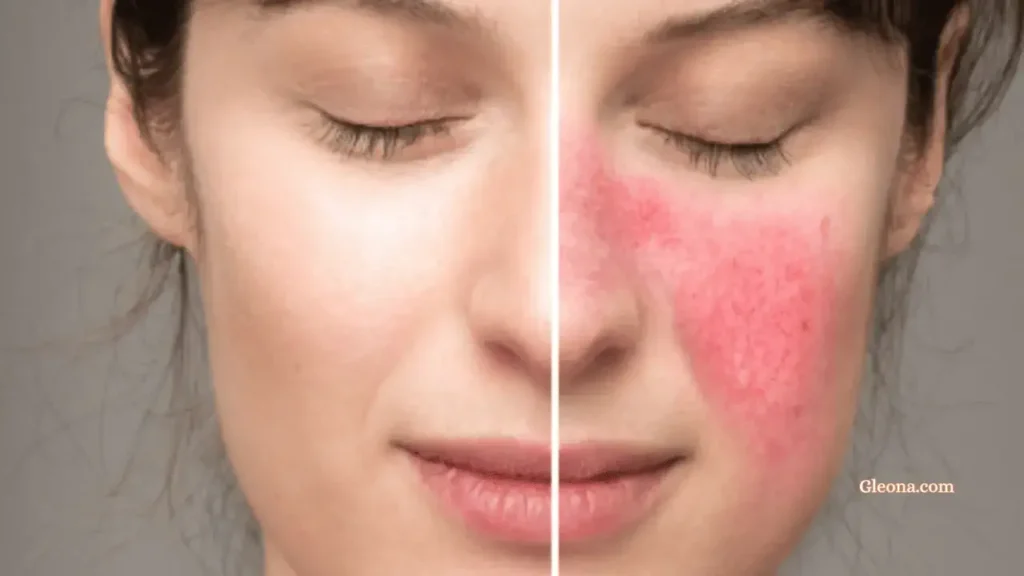
Rosacea is a chronic inflammatory skin condition that mainly affects the central areas of the face, including the cheeks, nose, chin, and forehead. It often begins with mild redness that may come and go, but over time it can become more persistent if not properly managed. Many people between the ages of 18 and 35 experience early signs of rosacea without realizing it, which can delay proper care.
Understanding rosacea is the first step toward finding the right Treatment Options for Rosacea Skin Care. Since rosacea-prone skin is highly sensitive, using the wrong products or ignoring triggers can worsen symptoms such as redness, irritation, and visible blood vessels. Proper treatment focuses on calming inflammation, strengthening the skin barrier, and preventing flare-ups.
Early and consistent treatment can make a significant difference in managing rosacea. A combination of dermatologist-recommended treatments, gentle skincare products, and lifestyle adjustments can help reduce symptoms and improve overall skin comfort. By learning how rosacea affects the skin and what triggers flare-ups, individuals can build a skincare routine that supports healthier, calmer skin over time.
Best Treatment Options for Rosacea Skin Care
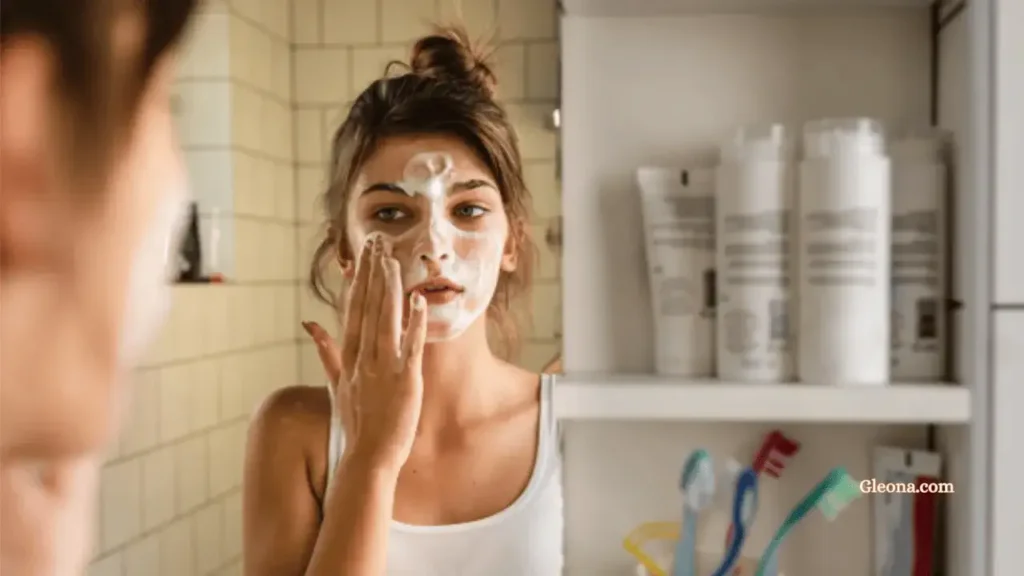
Managing rosacea requires a combination of medical treatments, gentle skincare products, and protective habits. Because rosacea-prone skin is sensitive and easily irritated, the goal of treatment is to reduce inflammation, calm redness, and strengthen the skin’s natural barrier. The most effective Treatment Options for Rosacea Skin Care usually involve both dermatologist-recommended solutions and a consistent daily skincare routine.
Prescription Medications
For moderate to severe rosacea, dermatologists often prescribe medications that help control inflammation and reduce redness. These treatments are designed specifically for rosacea and can significantly improve symptoms when used regularly.
Common prescription options include:
- Topical Metronidazole: Helps reduce redness and inflammation caused by rosacea.
- Azelaic Acid: Reduces swelling, redness, and acne-like bumps while improving skin texture.
- Ivermectin Cream: Targets inflammation and helps clear rosacea bumps.
In some cases, doctors may also prescribe oral antibiotics to manage severe flare-ups. These medications usually work best when combined with a gentle skincare routine.
Laser and Light Therapy
Laser and light-based treatments are popular options for people who experience persistent redness or visible blood vessels. These procedures are performed by dermatologists and work by targeting dilated blood vessels under the skin.
Benefits of laser and light therapy include:
- Reduces visible blood vessels and redness
- Improves overall skin tone and appearance
- Provides long-lasting results for many patients
Although multiple sessions may be required, many people notice significant improvement after treatment.
Over-the-Counter Skincare Treatments
Many individuals with rosacea benefit from carefully chosen over-the-counter skincare products designed for sensitive skin. These products focus on soothing irritation and strengthening the skin barrier.
Look for ingredients such as:
- Niacinamide: Helps calm redness and support the skin barrier.
- Green Tea Extract: Provides anti-inflammatory benefits.
- Ceramides: Strengthen and repair the skin barrier.
- Aloe Vera: Soothes irritated skin and reduces inflammation.
At the same time, it is important to avoid products that may trigger flare-ups, such as alcohol-based toners, harsh exfoliants, strong fragrances, and overly aggressive acne treatments.
Choosing gentle, fragrance-free products and introducing them slowly into your routine can help prevent irritation and support healthier rosacea-prone skin.
Step-by-Step Rosacea Skincare Routine (Tutorial)
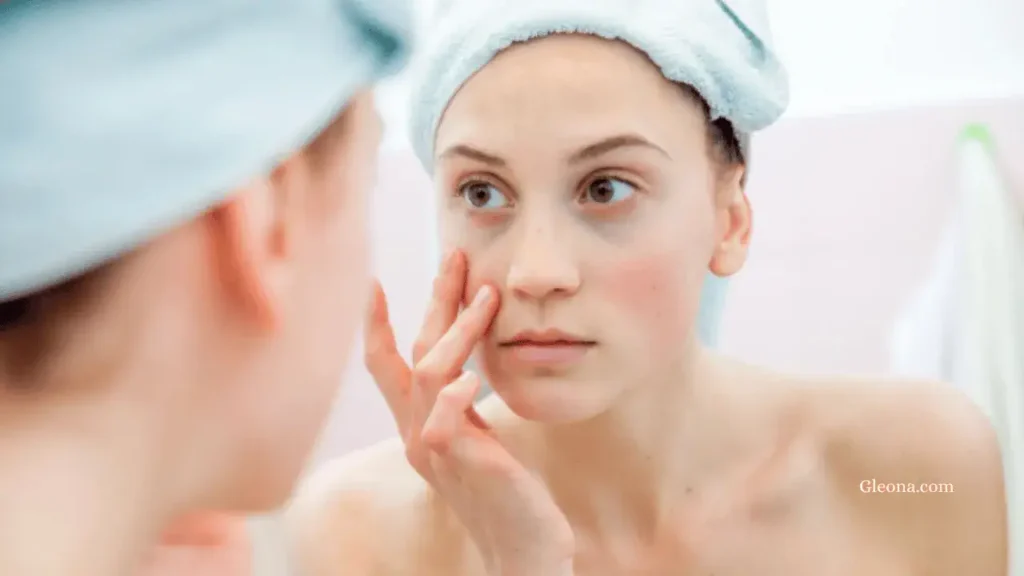
A simple and gentle skincare routine is one of the most effective ways to manage rosacea. Because rosacea-prone skin is highly sensitive, the goal is to reduce irritation, maintain hydration, and protect the skin from triggers. Following a consistent daily routine can support the effectiveness of other Treatment Options for Rosacea Skin Care and help prevent flare-ups.
Step 1 – Gentle Cleansing
Start your routine with a mild, non-irritating cleanser designed for sensitive skin. Harsh cleansers can strip the skin’s natural oils and worsen redness.
Tips for cleansing rosacea-prone skin:
- Use a fragrance-free, sulfate-free cleanser
- Wash with lukewarm water instead of hot water
- Gently pat your face dry with a soft towel instead of rubbing
Cleansing twice a day—morning and night—helps remove dirt, oil, and environmental pollutants without irritating the skin.
Step 2 – Apply a Soothing Treatment
After cleansing, apply a calming treatment or serum that helps reduce redness and inflammation. These products can support the skin barrier and soothe irritated skin.
Look for ingredients such as:
- Niacinamide to reduce redness
- Azelaic acid to calm inflammation
- Green tea extract for antioxidant protection
- Centella asiatica for soothing sensitive skin
Apply a small amount and allow it to absorb before moving to the next step.
Step 3 – Moisturize to Strengthen the Skin Barrier
Moisturizing is essential for rosacea-prone skin because it helps maintain hydration and protects the skin barrier. When the barrier is strong, the skin becomes less reactive to environmental triggers.
Choose a moisturizer that is:
- Fragrance-free
- Non-comedogenic
- Rich in ceramides or hyaluronic acid
Apply moisturizer gently and avoid heavy rubbing, which can trigger redness.
Step 4 – Daily Sun Protection
Sun exposure is one of the most common rosacea triggers, making sunscreen a critical step in any skincare routine. Protecting the skin from UV rays helps prevent flare-ups and reduces redness over time.
For rosacea-prone skin:
- Use a broad-spectrum sunscreen with SPF 30 or higher
- Choose mineral sunscreens with zinc oxide or titanium dioxide
- Reapply sunscreen every two hours when outdoors
Consistent sun protection plays a major role in managing rosacea and supporting long-term skin health.
By following this simple daily routine, individuals with rosacea can help calm irritation, reduce redness, and improve the overall effectiveness of their skincare treatments.
Lifestyle Changes That Help Control Rosacea
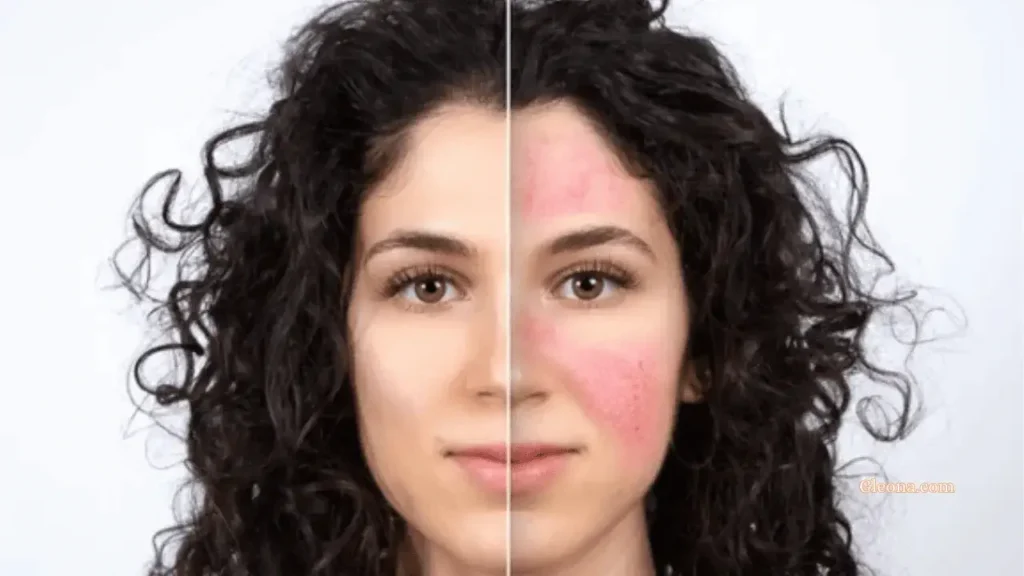
While skincare products and medical treatments play an important role, lifestyle habits can also have a major impact on rosacea symptoms. Certain daily activities, foods, and environmental factors can trigger flare-ups and increase redness. Making a few simple lifestyle adjustments can support your Treatment Options for Rosacea Skin Care and help keep symptoms under control.
Identify Your Personal Triggers
Rosacea triggers can vary from person to person. What causes flare-ups for one person may not affect another. Identifying your personal triggers is one of the most effective ways to manage the condition.
Common rosacea triggers include:
- Sun exposure
- Hot weather or cold winds
- Spicy foods
- Alcohol and hot beverages
- Stress and emotional changes
- Intense exercise
Keeping a simple journal to track when flare-ups occur can help you identify patterns and avoid triggers that worsen your symptoms.
Reduce Stress Levels
Stress is a well-known trigger for rosacea flare-ups. When stress levels rise, the body releases hormones that can increase inflammation and cause facial flushing.
Healthy ways to manage stress include:
- Practicing meditation or deep breathing
- Regular physical activity such as walking or yoga
- Getting enough sleep each night
- Taking breaks from work or digital screens
Managing stress not only helps reduce rosacea symptoms but also supports overall skin health.
Adjust Your Diet
Diet can influence rosacea symptoms for some people. Certain foods may cause facial flushing or irritation, especially those that increase body temperature.
Consider limiting or avoiding:
- Spicy foods
- Alcohol
- Very hot drinks
- Highly processed foods
Instead, focus on a balanced diet that includes fruits, vegetables, whole grains, and foods rich in antioxidants. Drinking enough water throughout the day also helps keep the skin hydrated and healthy.
By making mindful lifestyle choices and avoiding common triggers, individuals with rosacea can significantly reduce flare-ups and improve the effectiveness of their overall skincare routine.
Common Rosacea Skincare Mistakes to Avoid
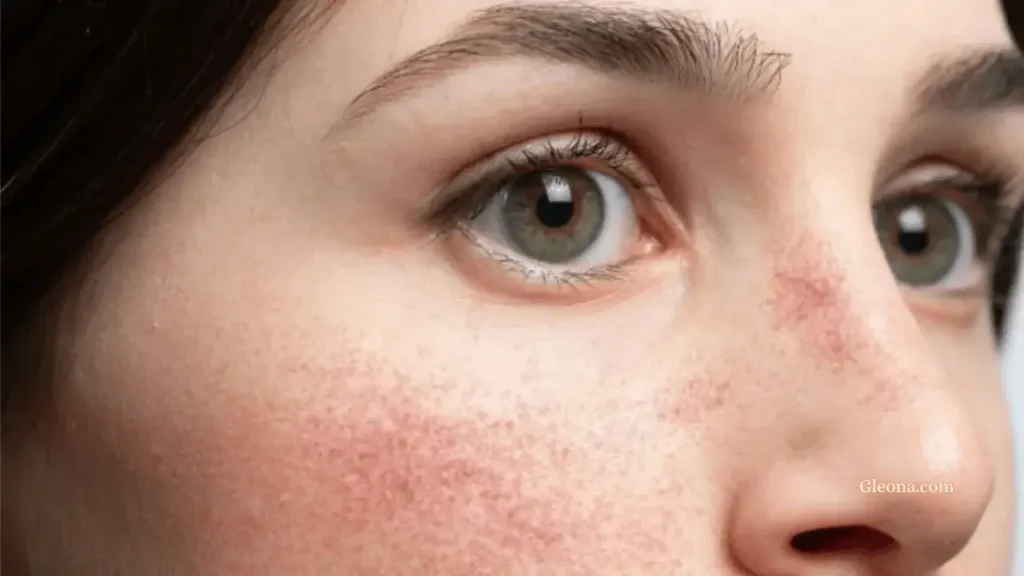
When dealing with rosacea, the wrong skincare habits can easily trigger flare-ups and worsen redness. Many people unintentionally irritate their skin by using products or techniques that are too harsh. Avoiding these common mistakes can help improve the effectiveness of your Treatment Options for Rosacea Skin Care and keep your skin calm and balanced.
Over-Exfoliating the Skin
Exfoliation is often recommended for healthy skin, but too much exfoliation can be harmful for people with rosacea. Scrubs, strong chemical exfoliants, and rough cleansing brushes can damage the skin barrier and increase irritation.
Instead:
- Limit exfoliation to very gentle products if needed
- Avoid harsh scrubs and strong acids
- Focus on soothing and hydrating skincare
Using Harsh Acne Treatments
Many acne treatments contain ingredients like benzoyl peroxide or high concentrations of salicylic acid. While these ingredients work well for acne, they can be too strong for rosacea-prone skin and may cause dryness, burning, or redness.
It is better to choose products specifically formulated for sensitive skin or recommended by a dermatologist.
Skipping Sunscreen
Sun exposure is one of the most common rosacea triggers. Unfortunately, many people skip sunscreen or forget to reapply it throughout the day.
For better protection:
- Use a broad-spectrum SPF 30 or higher every day
- Choose mineral sunscreens with zinc oxide or titanium dioxide
- Reapply sunscreen when spending time outdoors
Daily sun protection is essential for preventing flare-ups and protecting sensitive skin.
Trying Too Many New Products at Once
Switching between multiple skincare products can irritate rosacea-prone skin and make it difficult to identify what is causing flare-ups. Introducing too many products at the same time may overwhelm the skin.
A better approach is to:
- Introduce new products slowly
- Test one product at a time
- Choose gentle, fragrance-free formulas
By avoiding these common skincare mistakes and maintaining a simple, consistent routine, people with rosacea can better manage symptoms and support healthier skin over time.
Product Recommendations
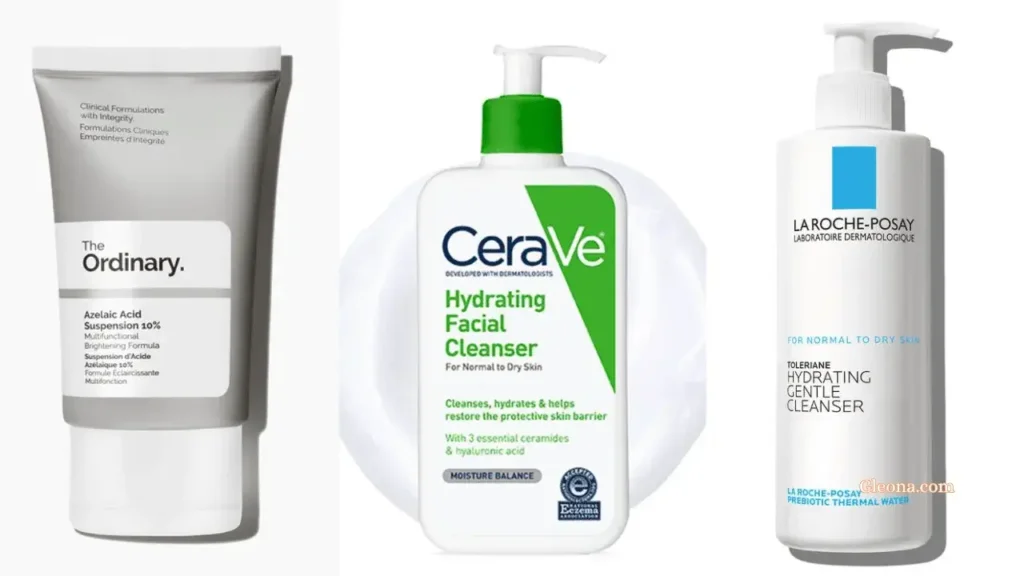
Choosing the right products is essential when managing rosacea. Dermatologists usually recommend gentle, fragrance-free formulas with soothing ingredients such as ceramides, niacinamide, azelaic acid, and zinc oxide. These ingredients help calm inflammation, reduce redness, and strengthen the skin barrier.
Below are some popular dermatologist-recommended products that work well for rosacea-prone skin.
Gentle Cleanser
- CeraVe Hydrating Facial Cleanser
A mild cleanser with ceramides and hyaluronic acid that removes dirt without stripping moisture. It is often recommended for sensitive and rosacea-prone skin. - La Roche‑Posay Toleriane Hydrating Gentle Cleanser
A fragrance-free, pH-balanced cleanser that hydrates while cleansing. Dermatologists frequently recommend it for dry or rosacea-prone skin.
Treatment Serum
- The Ordinary Azelaic Acid Suspension 10%
Contains azelaic acid, a proven ingredient that reduces redness, inflammation, and rosacea bumps. - Paula’s Choice 10% Azelaic Acid Booster
A dermatologist-favored formula with azelaic acid that helps calm redness and improve skin texture over time.
Moisturizer
- La Roche‑Posay Toleriane Double Repair Face Moisturizer
Contains ceramides and niacinamide that strengthen the skin barrier and reduce irritation. - Aveeno Calm + Restore Oat Gel Moisturizer
Formulated with colloidal oatmeal to soothe redness and hydrate sensitive skin. Experts often recommend oatmeal-based products for calming rosacea irritation.
Sunscreen (Essential for Rosacea)
- EltaMD UV Clear Broad‑Spectrum SPF 46
A lightweight mineral sunscreen containing zinc oxide and niacinamide, designed specifically for sensitive or rosacea-prone skin. - La Roche‑Posay Anthelios Mineral SPF 50
Offers strong broad-spectrum protection and is less likely to irritate rosacea-prone skin.
Conclusion
Managing rosacea can feel challenging, but with the right approach, it is possible to keep symptoms under control and maintain healthier skin. Understanding your triggers, choosing gentle skincare products, and following a consistent routine are key steps in reducing redness and preventing flare-ups. When combined with dermatologist-recommended treatments and protective habits like daily sunscreen use, these strategies can significantly improve the condition of rosacea-prone skin.
The most effective Treatment Options for Rosacea Skin Care involve a balanced combination of medical care, proper skincare, and healthy lifestyle choices. Everyone’s skin is different, so it may take some time to find the routine that works best for you. Patience and consistency are essential for seeing long-term improvements.
If your symptoms persist or worsen, consider consulting a dermatologist for personalized treatment options. With the right care and awareness, you can manage rosacea effectively and keep your skin calm, comfortable, and healthy.
For more Skin Care Tips and Beauty Ideas, Please visit gleona.com.
FAQs
1. What are the best treatment options for rosacea skin care?
The best Treatment Options for Rosacea Skin Care usually include a combination of dermatologist-prescribed medications, gentle skincare products, and lifestyle changes. Treatments such as azelaic acid, topical metronidazole, laser therapy, and daily sun protection can help reduce redness and inflammation.
2. Can rosacea be cured permanently?
Currently, there is no permanent cure for rosacea. However, the condition can be effectively managed with the right treatments, skincare routine, and trigger avoidance. Many people successfully control symptoms and reduce flare-ups with consistent care.
3. What skincare ingredients are good for rosacea?
Several ingredients are known to soothe rosacea-prone skin, including:
- Niacinamide
- Azelaic acid
- Ceramides
- Aloe vera
- Green tea extract
These ingredients help calm inflammation and strengthen the skin barrier.
4. What products should people with rosacea avoid?
People with rosacea should avoid harsh or irritating skincare products such as:
- Alcohol-based toners
- Strong exfoliants or scrubs
- Fragrance-heavy products
- High concentrations of benzoyl peroxide
These products can trigger redness and irritation.
5. Is sunscreen necessary for rosacea-prone skin?
Yes, sunscreen is essential for rosacea-prone skin. Sun exposure is one of the most common triggers for rosacea flare-ups. Using a broad-spectrum sunscreen with SPF 30 or higher every day helps protect the skin and prevent redness from worsening.