Looking for a simple, natural way to upgrade your skincare routine? The Benefits of Aloe Vera for Skin Health make it one of the most popular ingredients for people aged 18–35 in the USA because it’s lightweight, soothing, and easy to use.
Aloe vera can help hydrate dry skin, calm redness and irritation, support acne-prone skin, and even refresh dull skin for a healthier glow. In this guide, you’ll learn the top benefits and a step-by-step tutorial on how to apply aloe vera safely for the best results.
What Is Aloe Vera and Why Is It So Popular for Skin?
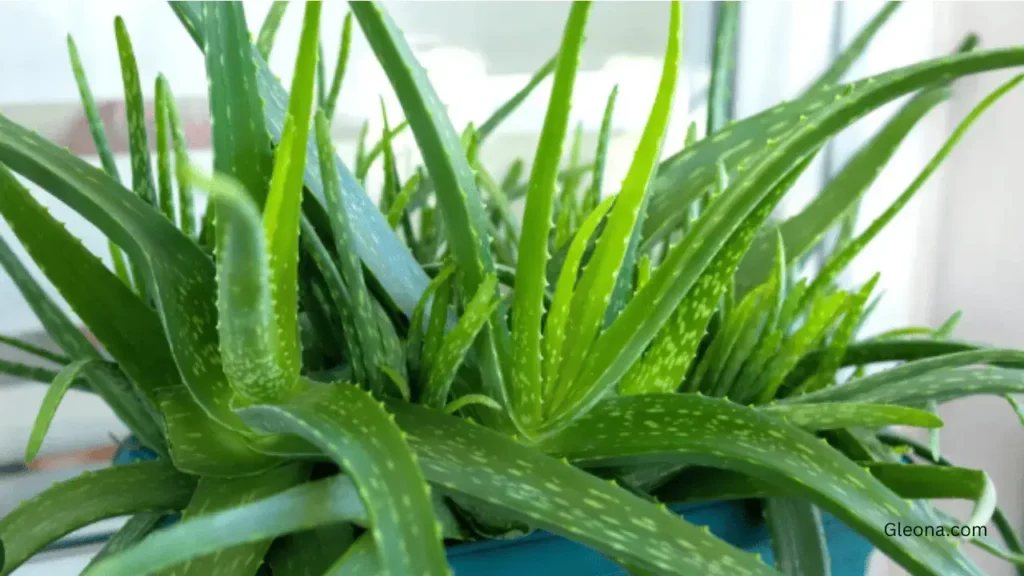
Aloe vera is a natural plant known for its thick, gel-filled leaves. The clear gel inside the leaf is widely used in skincare because it feels cooling, lightweight, and soothing on the skin. It’s been used for years in beauty routines and is still one of the most trusted natural ingredients today.
Aloe vera is so popular for skin because it can help with many common concerns like:
- Dryness and dehydration
- Redness and irritation
- Sunburn relief
- Acne-prone skin support
- Rough texture and dull-looking skin
Many people love it because it absorbs quickly, doesn’t feel greasy, and works well for both men and women, especially those aged 18–35 who want simple skincare that fits into a busy lifestyle.
Aloe vera is also found in many products like face gels, moisturizers, masks, after-sun lotions, and cleansers, making it easy to use at home without complicated steps.
Top Benefits of Aloe Vera for Skin Health (Top Results You Can Expect)

The Benefits of Aloe Vera for Skin Health are popular for a reason this natural ingredient can support smoother, calmer, and healthier-looking skin with regular use. Aloe vera gel is lightweight, refreshing, and works well for many skin types, especially if you want simple skincare results without heavy products.
Here are the top results you can expect when you use aloe vera correctly:
1) Deep Hydration Without Feeling Greasy
Aloe vera delivers lightweight moisture that absorbs quickly, making it great for oily, combination, and normal skin. Your skin can feel softer and more balanced without that sticky or heavy feeling.
2) Soothes Sunburn and Redness
One of the most well-known benefits is its cooling and calming effect. Aloe vera helps soothe skin that feels hot, irritated, or uncomfortable after sun exposure.
3) Helps Calm Acne and Breakouts
Aloe vera can support acne-prone skin by helping reduce the look of redness and swelling. It’s a gentle option for people who want something soothing alongside their regular skincare routine.
4) Supports Faster-Looking Skin Recovery
If your skin feels irritated from shaving, dryness, or mild sensitivity, aloe vera can help your skin feel more comfortable and refreshed. It’s often used to calm the skin after minor irritation.
5) Helps Reduce the Look of Dark Spots Over Time
With consistent use, aloe vera may help improve the appearance of uneven skin tone and make skin look brighter. Results vary, but many people notice a more even-looking glow over time.
6) Gentle Support for Sensitive Skin
Aloe vera is often a go-to for sensitive skin because it feels cool and gentle. (Tip: Always patch test first, especially if you have allergies.)
7) Improves the Look of Dry Patches and Flaky Skin
If you get rough areas around the nose, cheeks, or chin, aloe vera can help soften and smooth those spots especially when layered under a moisturizer.
8) Makes Skin Look Fresh and Glowy
Hydrated skin naturally looks healthier. Aloe vera helps boost a fresh, dewy appearance, making it a favorite for simple “clean skin” glow routines.
9) Helps Soothe Post-Shave Skin (Great for Men & Women)
Aloe vera is excellent after shaving because it can calm razor irritation and help reduce that tight, uncomfortable feeling.
10) Works Well in Simple Skincare Routines
Aloe vera is easy to add into your routine because it can be used as a light gel layer, a calming mask, or even a quick hydration boost before moisturizer.
How to Use Aloe Vera for Skin Health (Step-by-Step Tutorial)
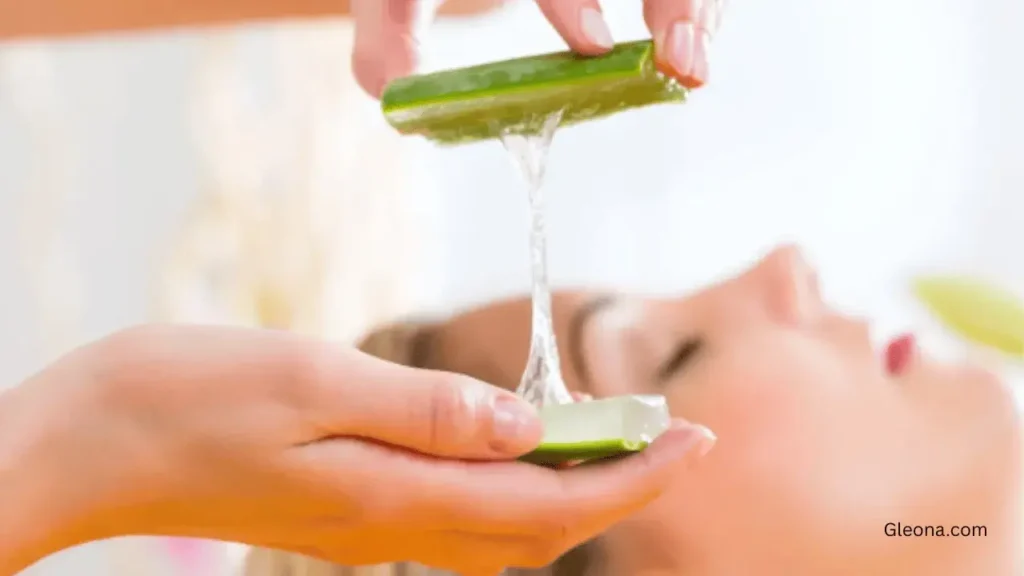
Using aloe vera is simple, but using it the right way makes a big difference. Follow this step-by-step tutorial to get the best results while keeping your skin safe and irritation-free.
Step 1: Choose the Right Aloe Vera (Fresh vs Store-Bought)
You can use aloe vera in two main ways:
Fresh Aloe Vera (from the plant)
- Best if you want a natural, pure option
- Great for soothing and hydration
- Must be stored properly because it spoils faster
Store-Bought Aloe Vera Gel
- Easy and quick to use daily
- Better for travel and busy routines
- Choose a gel that has:
- “100% aloe vera” or a high aloe content
- No added alcohol
- No strong fragrance or dyes
Tip: If the gel feels very sticky, smells strong, or stings, it may contain irritating ingredients.
Step 2: Do a Patch Test (Important for Safety)
Even natural products can cause reactions.
How to patch test:
- Apply a small amount of aloe gel on your inner arm or behind your ear
- Leave it on for 24 hours
- If you notice itching, burning, or redness, do not use it on your face
Patch testing is especially important if you have sensitive skin or allergies.
Step 3: Basic Aloe Vera Application (Daily Use Method)
This is the easiest way to use aloe vera for everyday skincare.
Best time: Morning or night
How to apply:
- Cleanse your face using a gentle face wash
- Pat your skin dry (leave it slightly damp for extra hydration)
- Apply a thin layer of aloe vera gel
- Wait 1–2 minutes for it to absorb
- Follow with a moisturizer (especially important for dry skin)
- In the morning, finish with SPF 30+ sunscreen
This method is helpful for hydration, glow, redness relief, and daily calming.
Step 4: Aloe Vera Face Mask (2 Easy DIY Options)
Use these masks 1–2 times per week for extra benefits.
Option A: Aloe + Honey Mask (Glow and Soft Skin)
Best for: Dry, dull, or tired-looking skin
How to make:
- 1 tablespoon aloe vera gel
- 1 teaspoon honey
How to use:
- Mix and apply evenly
- Leave it on for 10–15 minutes
- Rinse with lukewarm water
- Moisturize after
Option B: Aloe + Oatmeal Mask (Calming and Gentle Exfoliation)
Best for: Sensitive skin, redness, or rough texture
How to make:
- 1 tablespoon aloe vera gel
- 1 teaspoon finely ground oatmeal
How to use:
- Apply gently (do not scrub harshly)
- Leave it on for 10 minutes
- Rinse slowly with lukewarm water
- Moisturize after
Step 5: Aloe Vera for Body Care (After Shower Routine)
Aloe vera works well on the body too.
How to use:
- After showering, apply aloe vera gel to areas like:
- arms
- legs
- elbows
- knees
- Follow with body lotion if your skin is very dry
This is useful for dry patches, smoother skin, and post-shave comfort.
Step 6: Aloe Vera for Sunburn Relief (Fast Soothing Routine)
Aloe vera is widely used for sunburn comfort.
How to use it:
- Take a cool shower (avoid hot water)
- Pat skin dry gently
- Apply a cool layer of aloe gel
- Repeat 2–3 times per day
- Drink enough water, because sunburn can dehydrate the body
Extra tip: Keep aloe gel in the fridge for a more cooling effect.
Best Skin Types for Aloe Vera (And When to Be Careful)
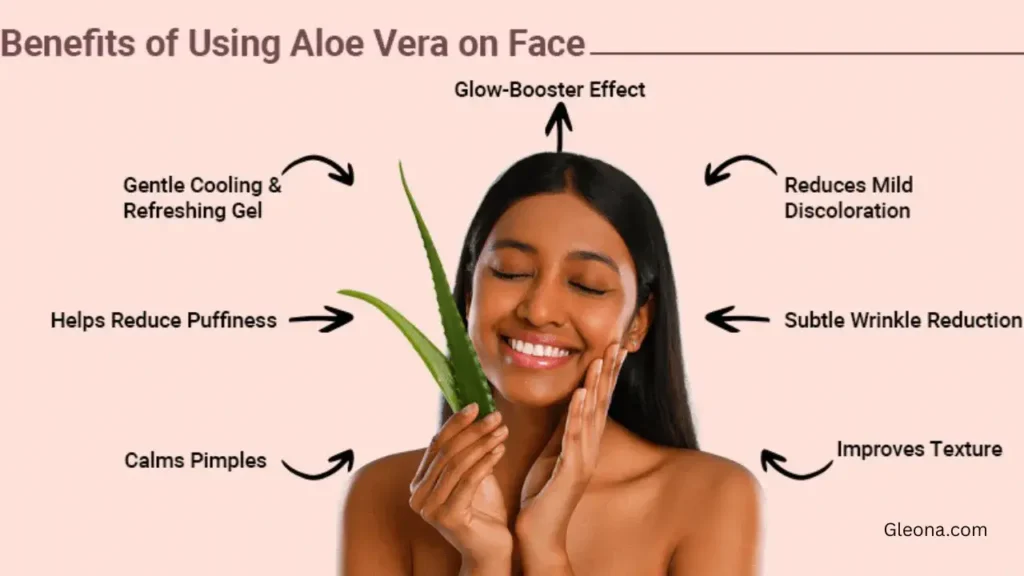
One of the biggest reasons aloe vera is so popular is because it works well for many different skin types. However, results can vary depending on your skin concerns, the product quality, and how you apply it. Here is a simple guide to help you understand when aloe vera is a great choice and when you should be more careful.
Aloe Vera for Oily Skin
Aloe vera is a great option for oily skin because it provides lightweight hydration without feeling heavy or greasy.
Why it works well:
- Absorbs quickly
- Helps reduce the look of oiliness
- Feels refreshing and light on the skin
Best way to use:
Apply a thin layer after cleansing, then follow with a light moisturizer if needed.
Aloe Vera for Combination Skin
Combination skin often has an oily T-zone (forehead and nose) and dry cheeks. Aloe vera can help balance both areas.
Why it works well:
- Hydrates dry areas without adding extra heaviness
- Helps keep the skin feeling comfortable and smooth
Best way to use:
Use aloe vera as a light layer, then apply moisturizer mainly on the dry areas.
Aloe Vera for Dry Skin
Aloe vera can help dry skin feel more hydrated and soft, but it usually works best when layered properly.
Why it helps:
- Adds moisture to dry, tight skin
- Helps improve the look of rough patches
Important tip for dry skin:
Aloe vera alone may not be enough. Always apply a moisturizer on top to lock in hydration.
Aloe Vera for Sensitive Skin
Many people with sensitive skin like aloe vera because it feels soothing and gentle. However, sensitive skin can also react easily to certain products.
Why it may work:
- Calms the feeling of irritation
- Helps reduce the look of redness
Be careful if:
- The aloe gel contains fragrance, alcohol, or added chemicals
- You have allergies or easily irritated skin
Always patch test before using it on your face.
Aloe Vera for Acne-Prone Skin
Aloe vera can be helpful for acne-prone skin because it supports calmer-looking skin and helps reduce irritation.
Why it may help:
- Soothes redness around pimples
- Works well with a simple skincare routine
Best way to use:
Use a thin layer and avoid applying thick, sticky gel that can feel heavy on the skin.
When to Be Careful With Aloe Vera
Even though aloe vera is natural, it is not perfect for everyone.
You should be cautious if:
- You have very sensitive or allergy-prone skin
- You feel burning or itching after applying it
- You are using low-quality gels with fragrance or alcohol
- You apply too much product or leave it on under heavy makeup
If irritation happens, stop using it and switch to a gentle, fragrance-free moisturizer until your skin feels normal again.
Common Mistakes to Avoid When Using Aloe Vera

Aloe vera can be a great addition to your skincare routine, but using it the wrong way may lead to irritation, dryness, or poor results. Here are the most common mistakes to avoid so you can get the best benefits safely.
1) Using Aloe Vera Without Patch Testing
Even natural ingredients can cause allergic reactions in some people.
What can happen: redness, itching, burning, or bumps
What to do instead: apply a small amount on your inner arm and wait 24 hours before using it on your face.
2) Choosing Aloe Gel With Alcohol, Fragrance, or Dyes
Some store-bought aloe gels contain ingredients that can irritate the skin.
What can happen: stinging, dryness, sensitivity, breakouts
What to do instead: choose a gel with high aloe content and avoid added alcohol and strong fragrance.
3) Applying Too Much Aloe Vera at Once
A thick layer may feel sticky and can clog your routine, especially under makeup or sunscreen.
What can happen: sticky skin, pilling, discomfort
What to do instead: use a thin layer and let it absorb before adding moisturizer.
4) Using Aloe Vera Alone for Very Dry Skin
Aloe vera hydrates, but it may not be enough to lock in moisture for dry skin.
What can happen: skin may still feel tight or flaky
What to do instead: apply aloe first, then follow with a moisturizer to seal in hydration.
5) Leaving Aloe Vera on Overnight Without Checking Your Skin Type
Some people do fine with overnight aloe, but others may experience dryness or irritation.
What can happen: tightness, sensitivity, unexpected breakouts
What to do instead: start with 10–20 minutes, rinse, and slowly increase use if your skin tolerates it.
6) Using Aloe Vera on Broken or Severely Irritated Skin
Aloe can feel soothing, but applying it to open cuts or heavily inflamed skin may worsen irritation.
What can happen: burning or delayed healing
What to do instead: if your skin is cracked, bleeding, or very inflamed, use a gentle healing moisturizer and seek professional advice if needed.
7) Mixing Aloe Vera With Too Many Strong Ingredients
Some DIY mixes can be harsh when combined with strong actives.
What can happen: irritation, dryness, sensitivity
What to do instead: keep it simple and avoid mixing aloe with strong acids, lemon juice, or harsh scrubs.
8) Expecting Instant Results
Aloe vera can support healthier-looking skin, but it is not an overnight miracle.
What can happen: frustration and inconsistent use
What to do instead: use it consistently for 2–4 weeks and track changes in hydration, redness, and texture.
9) Skipping Sunscreen
Aloe vera can soothe the skin, but it does not protect you from UV damage.
What can happen: sunburn, dark spots, faster skin aging
What to do instead: always apply SPF 30+ every morning, especially in the USA where daily sun exposure is common.
Aloe Vera Skincare Routine Example (AM + PM for Ages 18–35)
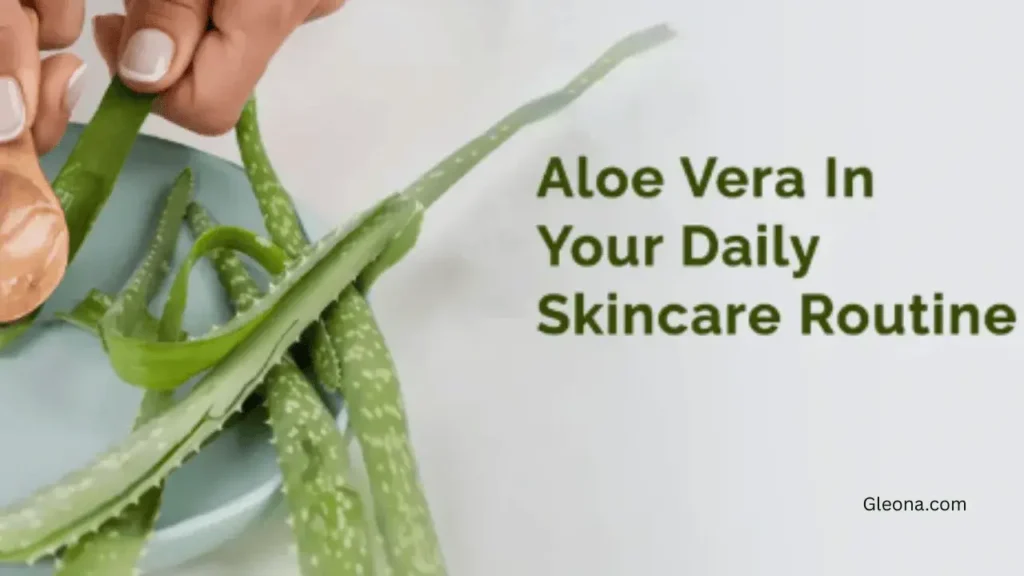
If you want a simple routine that fits a busy lifestyle, aloe vera is easy to add into both morning and night skincare. The key is using a thin layer and pairing it with moisturizer and sunscreen for the best results.
Morning Routine (AM) – Simple and Effective (5 Minutes)
- Cleanser
Use a gentle face wash to remove oil and sweat from overnight. - Aloe Vera Gel (Thin Layer)
Apply a small amount to clean, slightly damp skin. Let it absorb for 1–2 minutes. - Moisturizer
Choose a lightweight moisturizer if you have oily skin, or a richer one if your skin is dry. - Sunscreen (SPF 30 or Higher)
This step is essential. Aloe vera soothes skin, but it does not protect against sun damage.
Best for: hydration, smoother texture, fresh glow, daily calming
Night Routine (PM) – Skin Repair and Recovery
- Cleanser
Wash off sunscreen, makeup, and dirt from the day. - Aloe Vera Gel (Calming Layer)
Apply a thin layer to help soothe and refresh the skin. - Moisturizer
Seal in hydration to support soft, healthy-looking skin overnight.
Optional (2–3 nights per week):
- Use aloe vera as a short mask for 10–15 minutes, then rinse and moisturize.
Best for: calming redness, improving dryness, supporting skin comfort overnight
Quick Routine Tips for Better Results
- Use aloe vera consistently for at least 2–4 weeks to notice visible improvement
- Always patch test new aloe products before full-face use
- If your skin feels sticky, reduce the amount and apply a thinner layer
- If you have dry skin, never skip moisturizer after aloe
Product Recommendations
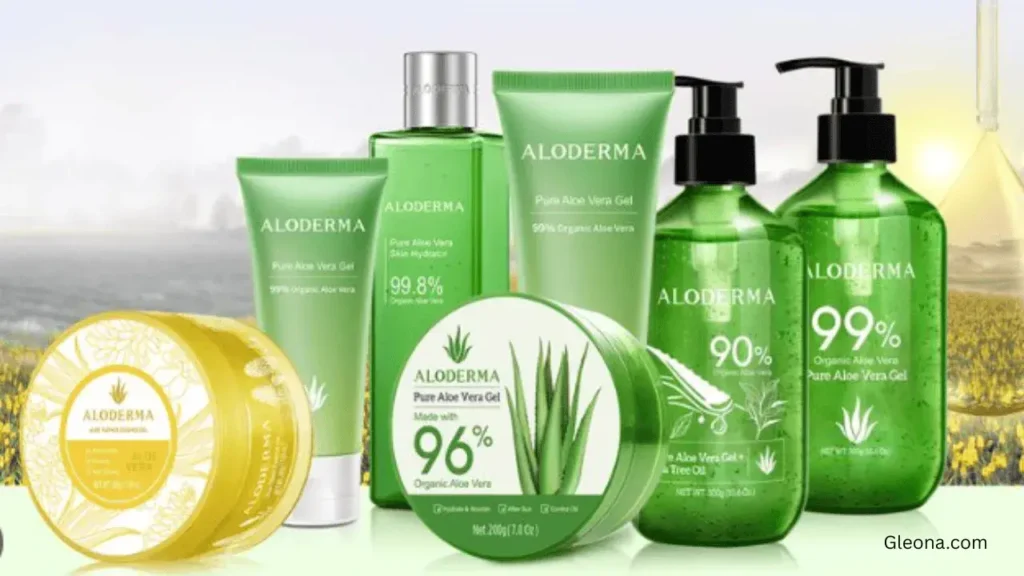
Here are some highly recommended aloe vera skin care products you can consider for soothing, hydrating, and everyday use especially in the USA market (based on dermatologist suggestions and expert round‑ups):
Top Aloe Vera Gel Picks for Skin Care
Aloderma Natural Pure Aloe Vera Gel
- Lightweight, high aloe content for calming and hydration
- Great all‑around choice for face, body, and after‑sun care
- Free from harsh chemicals, good for most skin types
Seven Minerals Organic Aloe Vera Gel
- Uses natural thickener instead of heavy additives
- Fast‑absorbing, non‑sticky feel
- Excellent for dry, sensitive, or irritated skin
Amara Organics 99.75% Aloe Vera Gel
- Cold‑pressed and organic with minimal preservatives
- Can help soothe irritation, dryness, and sunburn
- Works well under moisturizer or combined with other skincare steps
Lily of the Desert 99% Aloe Vera Gelly
- Highly pure formula recommended for sensitive or reactive skin
- Free of sulfates, fragrances, and many chemicals
- Also usable for hair and scalp hydration
Innisfree Aloe Soothing Gel (Moisture Type)
- Alcohol‑free with Jeju aloe leaf extract
- Lightweight and non‑greasy, suitable for daily moisture and calming
- Works well under makeup or moisturizer
Conclusion
The Benefits of Aloe Vera for Skin Health make it a simple and effective skincare option for both men and women aged 18–35. Whether your goal is hydration, calming redness, soothing sunburn, or supporting clearer-looking skin, aloe vera can fit easily into a daily routine without feeling heavy or greasy. The best results come from choosing a high-quality aloe gel, applying it correctly, and staying consistent.
If you want to try it, start with a patch test, use a thin layer after cleansing, and always follow with moisturizer and sunscreen for complete skin protection.
For more Skin Care Tips and Tricks, Please visit gleona.com.
FAQs About the Benefits of Aloe Vera for Skin Health
1) Can I use aloe vera on my face every day?
Yes, most people can use aloe vera daily. Apply a thin layer once or twice a day, depending on your skin type. If your skin feels dry or tight, use it once a day and follow with moisturizer.
2) Does aloe vera help with acne?
Aloe vera can help calm the look of redness and irritation around breakouts. It may support clearer-looking skin, but it is not a complete acne treatment on its own.
3) Can aloe vera help with dark spots and acne scars?
Aloe vera may help improve the look of uneven skin tone over time with consistent use. However, deeper acne scars usually need stronger treatments like retinoids, vitamin C, or professional care.
4) Is aloe vera good for sensitive skin?
It can be, because aloe vera is naturally soothing. But sensitive skin may react to gels with added fragrance or alcohol, so patch testing and choosing a gentle product is important.
5) Should I use fresh aloe vera from the plant or store-bought gel?
Both can work. Fresh aloe is natural and pure, but it spoils faster. Store-bought aloe is more convenient, but choose one with high aloe content and no alcohol, strong fragrance, or dyes.